
Quick overview
A tummy tuck (abdominoplasty) is a structural reconstruction, not a contouring touch-up. It removes excess skin, repairs separated abdominal muscles (diastasis recti), and resets the abdominal wall — work that liposuction alone cannot do. Recovery reflects that scope: a full tummy tuck is a 6- to 8-week return to normal life, with a real year of healing before the scar fully fades.
Most patients return to desk work between weeks 2 and 4, drop their compression garment around week 6, resume strenuous exercise around week 6 to 8, and stop noticing day-to-day swelling around month 3. Final results emerge as the scar matures over the first 12 to 18 months.
This guide walks the recovery week by week, what is normal versus what should trigger a call to your surgeon, and how to protect your result.
Tummy Tuck — what to expect, week by week
Typical recovery 14–28 days before patients return to most normal activities.
- Day 1–7Most pain & swelling. Compression garment 23 h/day. Walk daily.
- Week 2Off prescription meds, light activity, swelling starts to drop.
- Weeks 3–4Return to desk work. Light cardio. Sleep position may relax.
- Weeks 5–8Resistance training cleared by most surgeons. Garment off.
- Months 3–6Final shape emerges, swelling fully resolved, scars mature.
General guidance only. Your surgeon's instructions take precedence.
Week 1 — the hardest seven days
The first week is the most uncomfortable. The abdomen has just been reshaped: excess skin removed, fascia tightened with permanent sutures, often combined with liposuction of the flanks. Expect:
- Significant swelling and tightness. The abdominal wall has been tightened — the feeling is more "constricted" than "painful" in the deeper sense.
- Surgical drains in many full tummy tucks for 5 to 10 days, to evacuate fluid from the operated space.
- Sleeping in a recliner or with pillows under your knees at a 30–45 degree angle. Sleeping flat puts tension on the incision line and is uncomfortable.
- Walking hunched at the waist for the first 5 to 7 days to protect the incision. Standing upright forces the abdominal wall to stretch before it has healed.
- Pain managed with prescription medication for the first 3 to 5 days, then over-the-counter analgesics.
Per American Society of Plastic Surgeons guidance, you'll wear a surgical compression garment continuously for the first two weeks, and most of the time for another month after that.
By day 4 or 5, most patients can shower (typically the day drains stop or are removed), eat normally, and walk slowly around the home. You do not have to stand fully upright yet.
Week 2 — easing back, gently
The worst of the soreness lifts. Most patients:
- Stop prescription pain medication.
- Stand more upright (though full posture often takes until weeks 3–4).
- Walk up to 30 minutes a day for circulation.
- Have drains removed (if applicable) around day 7 to 10.
- Continue full-time compression garment use.
Swelling can dramatically distort the abdomen at this stage. Do not weigh yourself, do not photograph your "result" — fluid retention can add 5 to 8 pounds and shape that has nothing to do with your final outcome. ASPS notes that swelling and bruising can take up to three months to fully resolve.
If your job is fully remote and low-effort, some surgeons clear logging on at the end of week 2. Most patients do better taking the full two weeks off.
Weeks 3 and 4 — returning to desk work
You should feel substantially better. Most surgeons clear desk work during this window. Practical milestones:
- Return to a desk job (most patients between week 2 and week 4 depending on physical demands).
- Driving returns once you are off opioid medication and can comfortably brace through a stop. Usually week 2 to 3.
- Walking can extend to 45 to 60 minutes at moderate pace.
- Standing fully upright without abdominal tension.
You still cannot lift anything heavier than 10 to 15 lbs, do core exercises, or sleep flat on your stomach. The abdominal fascia repair is healing under tension and needs time to strengthen.
Weeks 5 to 8 — exercise and shape clarity
The abdomen starts to look like the final shape. By week 6, most surgeons clear:
- Light cardio (walking, light jogging, stationary bike) — sometimes earlier.
- Resistance training for upper body and lower body, with the abdomen still off-limits.
- Discontinuing the compression garment for most of the day, sometimes earlier or later depending on your surgeon.
- Light core engagement — gentle, surgeon-approved.
Heavy abdominal work (crunches, deep planks, weighted twists, heavy deadlifts) is typically held off until week 8 to 12. The fascia repair needs to be fully strong before you load it. Returning to high-impact work too early can re-separate the repair or pull on the scar.
Months 3 to 6 — your real result
By month 3, most patients describe themselves as feeling "normal." Swelling is mostly resolved during the day, although some still notice end-of-day puffiness for several months. Per ASPS, most patients feel essentially recovered around the eight-week mark, with complete healing landing at the full one-year point.
You will typically see:
- Final abdominal contour crystallizes around month 4 to 6.
- Scar maturation: initially red and raised, slowly fading to pink, then to a thin, pale line over 12 to 18 months. A high-quality scar at one year is the goal, not at one month.
- Numbness in patches between the incision and belly button is common in the first 6 months and typically resolves over 6 to 12 months. Some patches may remain permanently numb.
- Belly button stabilizes — its position can move slightly during the first 3 months as swelling resolves.
By month 12, the scar should be a thin, low-pubic-line mark that can be hidden by most underwear and swimwear styles your surgeon discussed at consultation.
Red flags — when to call your surgeon
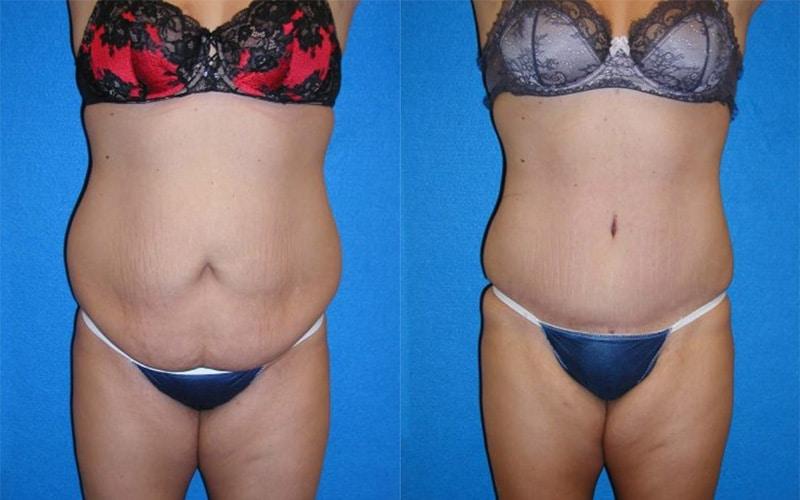
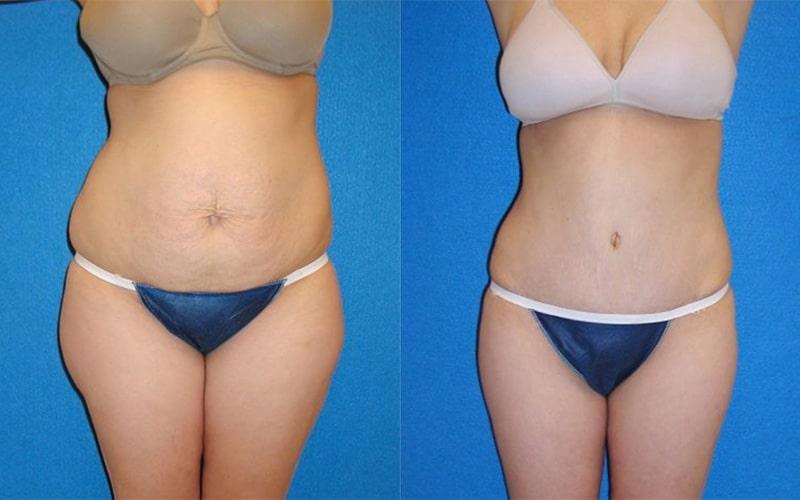
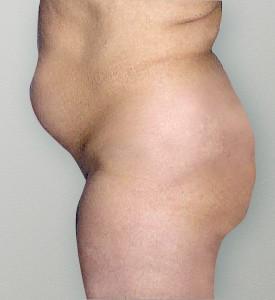
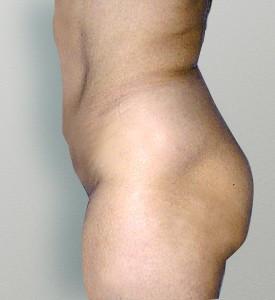
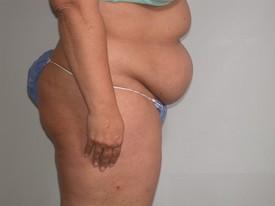
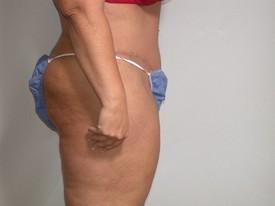
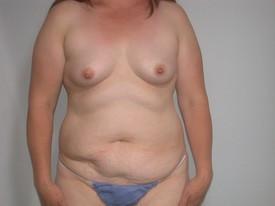
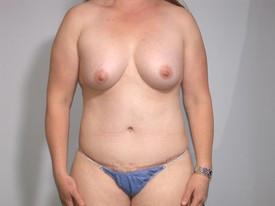
Real patient results
From verified board-certified surgeons in our directory.
Find a board-certified tummy tuck surgeon
Get matched with verified Tummy Tuck surgeons in your area.
Blood clots are the most serious risk of any major abdominal surgery. Walking from day one, hydrating, and following any prescribed prophylaxis (such as anticoagulants for higher-risk patients) significantly reduces the risk.
Tips that meaningfully affect recovery
The factors that move the needle, in order:
- Stop nicotine — including patches, gum, and vapes — for at least 4 weeks before and 4 weeks after surgery. Nicotine constricts blood vessels and is the single biggest predictor of wound complications and skin necrosis. Many board-certified surgeons will refuse to operate on active smokers because of this risk.
- Walk early and often from day one. Short walks (5–10 minutes, several times a day) reduce blood clot risk and improve circulation to the healing tissue.
- Wear the compression garment as prescribed. It is uncomfortable; it is also one of the highest-impact things you can do for swelling, comfort, and final contour.
- Adequate protein and hydration. Aim for 1 g of protein per pound of goal body weight, and 80+ oz of water daily.
- Stable weight. Major weight changes after a tummy tuck distort the result — both gain and loss. Most surgeons recommend being within 5 to 10 pounds of your goal weight before surgery for this reason.
- Lymphatic massage — multiple surgeons recommend 4 to 8 sessions starting around week 2 to 3 to accelerate swelling resolution.
Cost factors
A tummy tuck's price reflects whether it is a mini, full, or extended procedure; whether the surgeon repairs muscle separation; and whether it is combined with liposuction of the flanks (very common). The recovery costs extend beyond the surgical fee:
- 2 to 4 weeks off work (most full-time roles)
- Compression garment ($75–250)
- Drains and supplies
- Lymphatic massage sessions ($75–150 each × 4–8 sessions)
- Help at home for 1 to 2 weeks if you have children or pets
- Prescription medications
For a deeper look at the cost side, see our tummy tuck cost guide.
How to choose a tummy tuck surgeon
Not all "tummy tucks" are the same. The five questions that matter most:
- Are you board-certified by the American Board of Plastic Surgery (ABPS)? This is non-negotiable. ABPS is the only ABMS-recognized plastic surgery board.
- Do you operate in an accredited surgical facility? Hospital, ASC, or an AAAASF/QUAD A-accredited office facility — not a med-spa or non-accredited clinic.
- Will you repair my diastasis recti (separated abdominal muscles)? A real tummy tuck repairs the fascia. Skipping it leads to a flatter look that is not as durable.
- Where will the incision land, and what scar can I realistically expect at 12 months? A surgeon should show you their own patients' scars at 1+ year, not promotional shots at 6 weeks.
- What is your revision policy? Wound healing issues happen even in best practice. Knowing the surgeon's policy upfront avoids surprises.
A good consultation will include an honest discussion of whether a full tummy tuck, mini tummy tuck, or extended tummy tuck fits your anatomy. If your surgeon recommends the most invasive option without explanation, get a second opinion.
Compare board-certified tummy tuck surgeons in your area
Get matched with verified Tummy Tuck surgeons in your area.
This article is for educational purposes and does not replace medical advice. Always consult a board-certified plastic surgeon for guidance specific to your case.