
Quick overview
The Brazilian Butt Lift has historically had a higher mortality rate than any other cosmetic procedure. That fact is real, and it is the right starting point for any honest BBL safety conversation. It is also outdated as a description of the modern procedure performed by board-certified plastic surgeons following current safety guidelines.
The mortality risk in the BBL is almost entirely driven by one specific complication — pulmonary fat embolism — caused by fat being injected into the deep gluteal muscle, where it can enter the venous system and travel to the heart and lungs. When fat is injected only into the subcutaneous layer above the muscle, this risk drops dramatically. Modern safety practice from the American Society of Plastic Surgeons specifies subcutaneous-only injection, blunt cannulas, and increasingly ultrasound guidance.
This guide walks through the actual risks of a BBL, what modern safety practice looks like, the questions to ask a surgeon, and how to evaluate whether a specific surgeon is performing the procedure to current standards.
The history that drives the safety conversation
A 2017 study by the Aesthetic Surgery Education and Research Foundation (ASERF) reported a BBL mortality rate of approximately 1 in 3,000 — substantially higher than any other cosmetic procedure at the time. The cause was almost exclusively pulmonary fat embolism: fat injected too deep entered large veins, traveled to the lungs, and caused fatal blockage.
In response, ASERF and ASPS convened a multi-disciplinary Task Force on Gluteal Fat Grafting, which released safety recommendations starting in 2018 and updated in subsequent years. The core finding was that fat injection depth — not fat grafting itself — was the risk driver.
Surgeons who adopted the new standards (subcutaneous-only injection, blunt cannula, real-time ultrasound guidance) saw their complication rates drop. Subsequent studies have shown the modern BBL mortality rate is far lower than the 2017 figure when performed by board-certified surgeons following the safety statement.
The risk is not zero. It is, however, manageable — and the manageability depends almost entirely on the surgeon's technique.
The risk hierarchy in a BBL
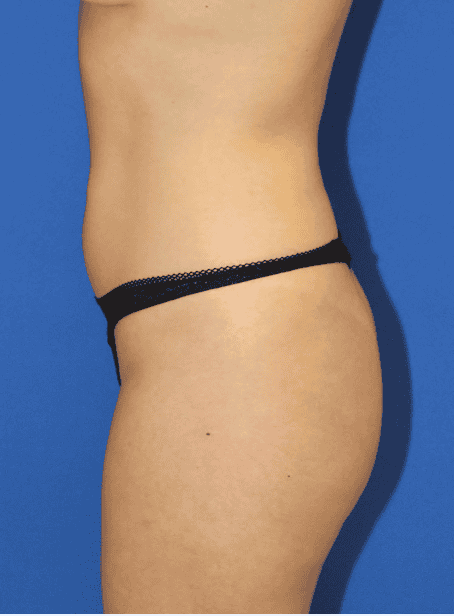
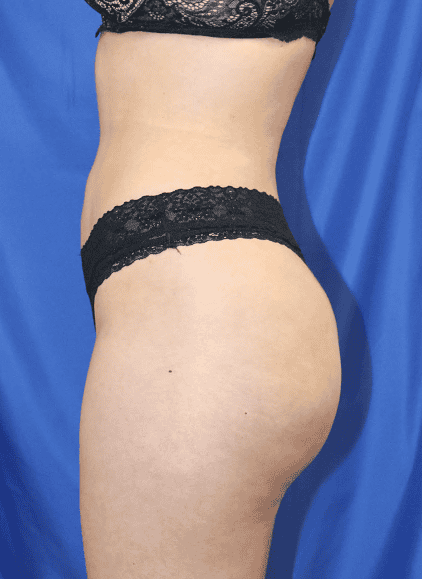
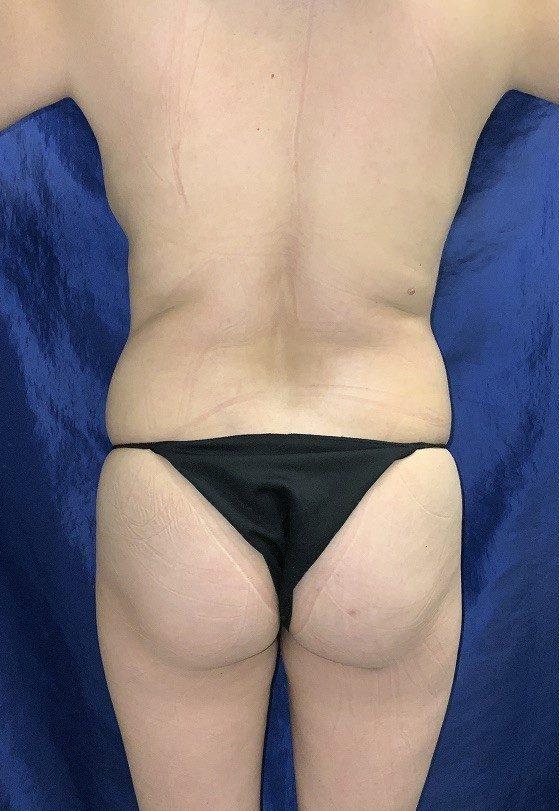
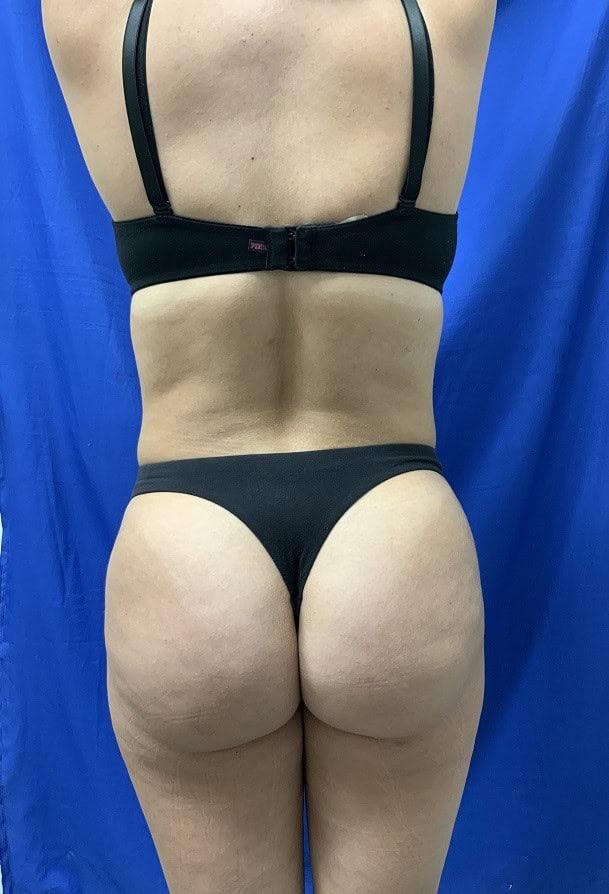
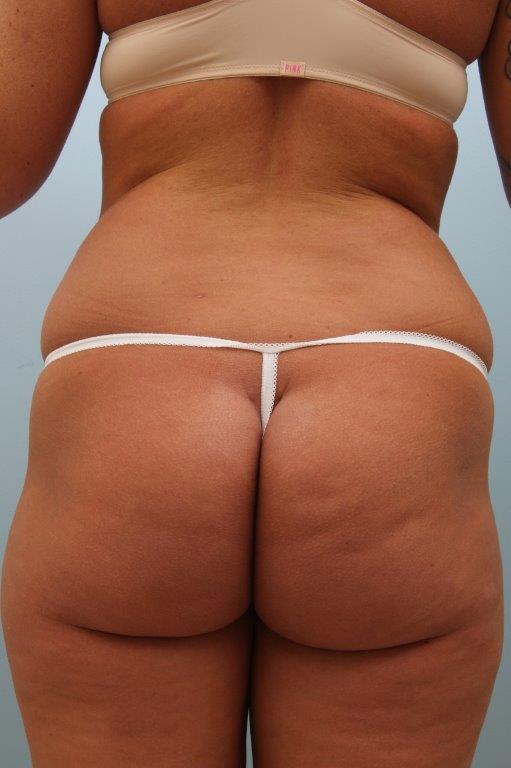
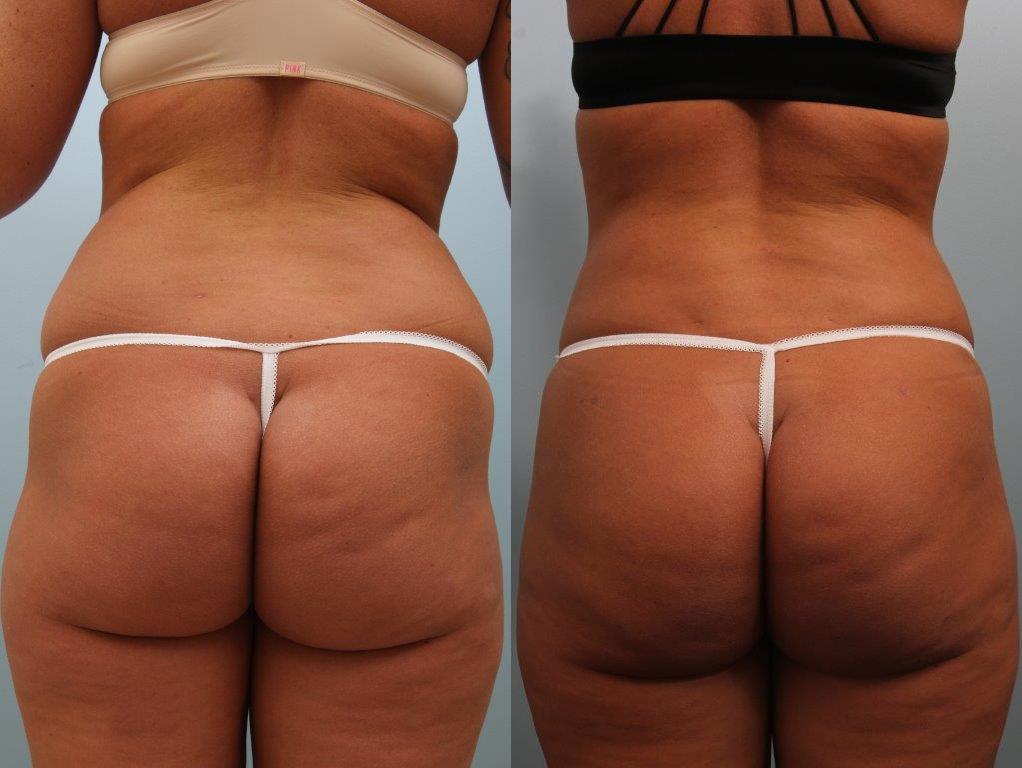
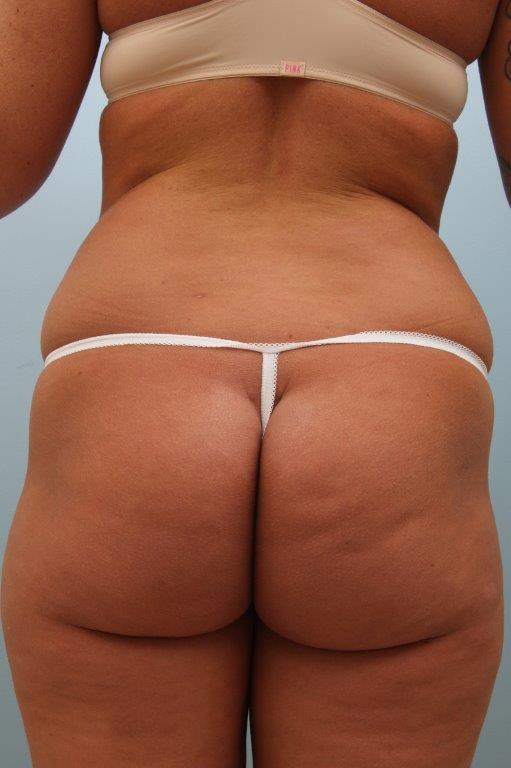
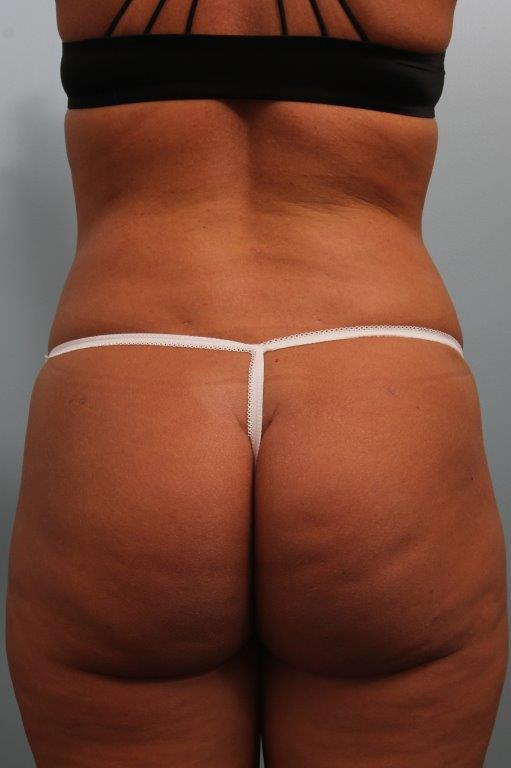
Real patient results
From verified board-certified surgeons in our directory.
Find a board-certified BBL surgeon
Get matched with verified BBL surgeons in your area.
Highest concern (life-threatening if it occurs):
- Pulmonary fat embolism — fat injected into deep muscle enters venous circulation, lodges in lungs or heart. Almost entirely preventable with subcutaneous-only injection.
- Pulmonary embolism (blood clot) — separate from fat embolism, a deep vein thrombosis travels to the lungs. Risk is common to all surgeries; reduced by early walking, hydration, and (in some cases) anticoagulant prophylaxis.
Serious but typically non-fatal:
- Infection — local or systemic. Reduced by accredited facility, sterile technique, antibiotic prophylaxis.
- Hematoma or seroma — fluid collections that may need drainage
- Skin necrosis — death of skin tissue, more common with smoking, tight garments, or overly aggressive liposuction
Cosmetic outcome risks:
- Asymmetry — uneven fat survival between sides
- Fat necrosis — areas of transferred fat that don't survive, form firm lumps
- Contour irregularities in donor sites
- Poor fat survival overall — disappointing volume retention at 6 months
- Skin laxity in donor sites if pre-existing laxity was not adequately addressed
What "modern safety practice" looks like
The current ASPS / ASERF joint safety statement on gluteal fat grafting specifies several non-negotiable elements:
- Subcutaneous-only injection. Fat is placed in the fat layer above the gluteal muscle, never into the muscle itself. The most lethal complications all involve intra-muscular injection.
- Blunt-tip cannula, 4 mm or larger. Sharp or smaller cannulas can puncture vessels and inject into the wrong layer. Blunt cannulas push veins aside rather than piercing them.
- Real-time ultrasound guidance for the injection step. Ultrasound shows the surgeon exactly where the cannula tip is — above the muscle, in the right layer. This is increasingly the standard of care, not optional.
- No tangential pressure during injection. Excessive pressure can drive fat into deeper layers.
- Limited per-side volume. Surgeons calibrate fat volume to body type and donor availability; oversized BBLs increase risk of skin necrosis and poor fat survival.
- Single procedure per day per team. Back-to-back BBLs in the same day, sometimes performed by surgical teams operating two rooms simultaneously, are flagged in the safety statement as a quality and oversight concern.
The biggest safety question — ask it directly
When you sit with a BBL surgeon at consultation, this is the question to ask plainly:
"Do you inject only into the subcutaneous layer, not into the gluteal muscle? And do you use ultrasound guidance during fat injection?"
A board-certified surgeon following modern safety practice will say yes to both, explain how their technique works, and welcome the question. A surgeon who is vague, defensive, or claims ultrasound is "not necessary in experienced hands" is signaling something. Walk away — there are surgeons in your market who follow current standards.
The medical tourism question
Many patients travel internationally for BBLs because of lower prices, particularly in the Dominican Republic, Colombia, Mexico, and Turkey. The U.S. State Department and the Centers for Disease Control have issued specific warnings about cosmetic medical tourism, including documented cases of fatal complications following BBLs performed abroad.
The risks of medical tourism for BBL specifically:
- Verification challenge — confirming international surgeons meet U.S. board standards is harder
- Post-operative care — if a complication arises after you return home, your operating surgeon is unreachable
- Facility accreditation — international facilities may not meet U.S. standards
- Anesthesia standards — vary by country
- Recourse — if something goes wrong, legal options are extremely limited
A 2022 CDC alert specifically tied at least one outbreak of dangerous bacterial infections to BBL surgeries performed in the Dominican Republic. The price differential — sometimes $4,000 to $6,000 vs $8,000 to $15,000 in the U.S. — does not account for the difference in risk profile.
Medical tourism for cosmetic surgery is not inherently unsafe, but BBL specifically — given its risk profile — is one of the procedures where staying in a regulated, accredited U.S. facility with a board-certified surgeon is the lowest-risk choice.
How recovery decisions affect safety
A BBL's safety profile extends past the operating room into the recovery weeks:
- Strict no-pressure positioning for 2 to 8 weeks — pressure on transferred fat causes cell death (poor fat survival) but also can be a vehicle for infection in the donor sites
- Compression garments at the donor sites — reduces seroma risk
- Early walking from day one reduces blood clot risk
- Nicotine abstinence for 4 weeks before and 4 weeks after reduces wound complications dramatically
- Hydration and protein intake support healing
For a deeper look at recovery, see our BBL recovery guide.
Is the BBL safer in 2026 than it was a decade ago?
Yes — substantially. The procedure performed by a board-certified plastic surgeon in an accredited facility using current ASPS / ASERF guidelines is a different risk profile than the procedure performed by an unaccredited provider in a non-medical setting.
The variance is large. A 2024 review published in Aesthetic Surgery Journal showed mortality rates approaching zero in studied U.S. board-certified surgeon cohorts using subcutaneous-only injection and ultrasound guidance, compared to the historic 1-in-3,000 figure from 2017.
The risk is not zero — no surgery is. But the variance between "follow modern safety practice" and "do not" is the difference between a low-risk cosmetic procedure and one of the most dangerous in the field. The surgeon's technique is the variable that moves the needle.
The honest verdict
A BBL with a board-certified plastic surgeon following ASPS / ASERF safety guidelines in an accredited surgical facility is a reasonable cosmetic procedure with manageable risk. A BBL performed by an unaccredited provider, in a non-medical setting, using deep intra-muscular injection without ultrasound is one of the most dangerous procedures patients can choose.
The same word — "BBL" — describes both. The difference is the surgeon and the facility, not the procedure name.
If you cannot get clear answers about injection depth and ultrasound use from a surgeon, this is the answer. Find another surgeon.
Compare board-certified BBL surgeons following modern safety practice
Get matched with verified BBL surgeons in your area.
This article is for educational purposes and does not replace medical advice. Always consult a board-certified plastic surgeon for guidance specific to your case.