
Quick overview
A mini tummy tuck and a full tummy tuck (abdominoplasty) are different procedures, not different sizes of the same operation. A mini addresses skin and fat below the belly button only, with limited or no muscle repair. A full addresses the entire abdomen from rib cage to pubic line, repairs separated abdominal muscles (diastasis recti), and often repositions the belly button. Choosing between them has less to do with what you want and more to do with what your anatomy needs.
If your concern is a small pouch of loose skin below the belly button with intact upper abdominal muscles, a mini tummy tuck may be the right call. If you have loose skin extending above the belly button, separated muscles (common after pregnancy), or significant excess skin overall, a mini tuck will leave you disappointed — and a full tuck is the procedure that addresses it.
This guide compares the two side by side: anatomy, scar length, recovery, results, cost, and how to choose between them with a board-certified surgeon.
What a mini tummy tuck does
A mini tummy tuck is a smaller-scope procedure:
- Scar: typically 4 to 8 inches, low across the pubic line — comparable to a C-section scar
- Skin and fat removed: below the belly button only
- Muscle repair: none, or limited to the lower abdomen
- Belly button: not repositioned (this is a defining feature of the mini)
- Often combined with liposuction of the flanks for better contour
A mini works best for patients with:
- A discrete pouch of loose skin and fat below the belly button
- Intact upper abdominal muscles
- Reasonable skin tone elsewhere
- Stretch marks only below the belly button
- No diastasis recti (or only a very small one)
The mini tuck is the right procedure for a relatively narrow set of patients. Many candidates who hope for a mini ultimately need a full tuck for adequate results.
What a full tummy tuck does
A full tummy tuck is a structural reconstruction of the entire abdominal wall:
- Scar: typically 12 to 18 inches across the lower abdomen, hip to hip
- Skin and fat removed: entire abdomen from rib cage to pubic line
- Muscle repair: diastasis recti repair with permanent sutures, tightening the abdominal wall
- Belly button: repositioned through a small new incision around it
- Often combined with liposuction of the flanks for better contour
A full tummy tuck is the right procedure for patients with:
- Loose skin extending above and below the belly button
- Separated abdominal muscles (diastasis recti) — common after pregnancy
- Significant skin laxity overall
- Stretch marks throughout the abdomen
- Persistent post-pregnancy or post-weight-loss abdominal changes that exercise cannot reach
The full tummy tuck is what most patients picture when they think "tummy tuck." It is the procedure ASPS statistics report as the dominant variant performed in the U.S.
The decisive factor: diastasis recti
The single biggest decision factor between mini and full is whether you have diastasis recti — separation of the left and right abdominal muscles down the midline. This is extremely common after pregnancy and significant weight loss, and exercise cannot fully close it.
A surgeon checks for diastasis recti by having you lie on your back, lift your head, and palpate the midline. A gap of more than 2.5 to 3 cm is significant; gaps of 4+ cm are common in postpartum patients.
If you have meaningful diastasis recti, a mini tuck will not address it. The lower abdomen will look better; the persistent bulge from the muscle separation will remain. This is the most common reason patients are disappointed after a mini tuck — they chose a smaller procedure that did not match their anatomy.
A full tummy tuck repairs the diastasis with permanent sutures, restoring the abdominal wall to its pre-pregnancy structure. This is structural work, not just skin removal.
Scar comparison
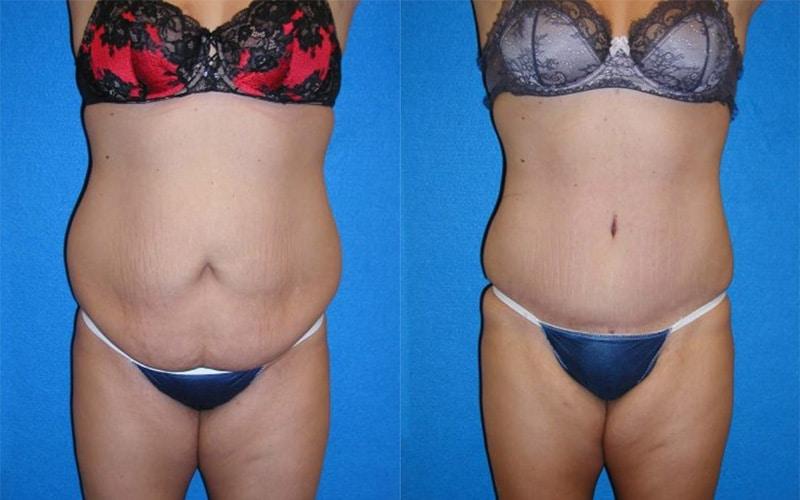
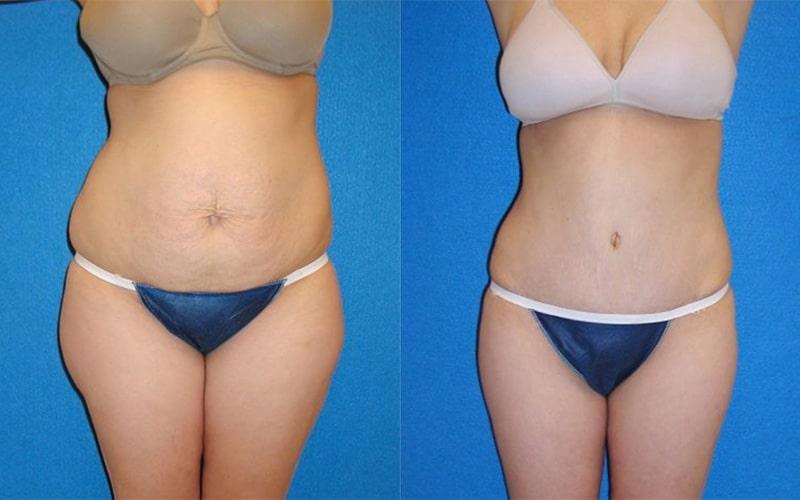
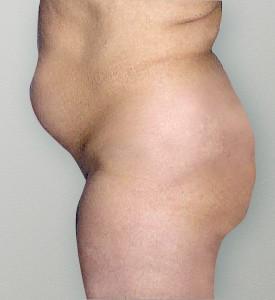
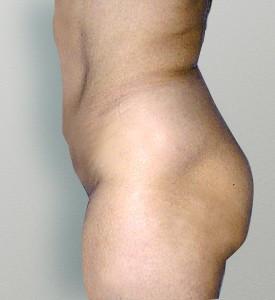
Real patient results
From verified board-certified surgeons in our directory.
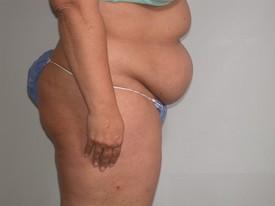
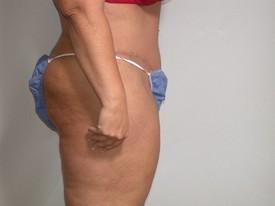
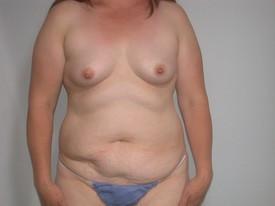
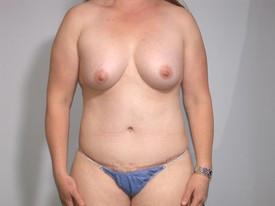
Find a board-certified tummy tuck surgeon
Get matched with verified tummy tuck surgeons in your area.
The scar length difference is substantial:
- Mini: 4 to 8 inches across the pubic line, hidden by most underwear and swimwear
- Full: 12 to 18 inches hip to hip, also placed low to hide in most underwear and high-cut swimwear
Both scars are typically placed at the lowest possible line your surgeon can use given the work being done. At one year post-op, both fade to a thin pale line. The mini's scar is shorter, not better quality — quality depends on your skin, sun protection, and surgeon technique.
Recovery
Recovery scales with procedure scope.
Mini tummy tuck:
- Drains: sometimes used for 3 to 7 days, often drain-free
- Compression garment: 4 to 6 weeks
- Return to desk work: 1 to 2 weeks
- Light exercise: 2 to 3 weeks
- Full exercise: 4 to 6 weeks
- Final result: 3 months
Full tummy tuck:
- Drains: typically 5 to 10 days
- Compression garment: 6 to 8 weeks
- Return to desk work: 2 to 4 weeks
- Light exercise: 4 to 6 weeks
- Full exercise: 6 to 8 weeks
- Final result: 6 to 12 months for scar maturation
For a deeper look at full tummy tuck recovery week by week, see our tummy tuck recovery guide.
Cost
A mini tummy tuck typically costs 30 to 50 percent less than a full tummy tuck — reflecting the shorter operating time, simpler recovery, and absence of muscle repair. As a national reference:
- Mini tummy tuck: $4,000 to $8,000 surgical fee
- Full tummy tuck: $8,000 to $15,000 surgical fee (including muscle repair and belly button repositioning)
Both have similar recovery-side costs (compression garment, time off work, possible lymphatic massage), scaled to the recovery duration.
For pricing by city, see our tummy tuck cost guide.
When a mini is right
Choose a mini tummy tuck if:
- Your skin laxity and excess fat are confined below the belly button
- You have no significant diastasis recti
- Your upper abdomen has decent skin tone
- You want a shorter scar and shorter recovery
- A surgeon confirms after examination that a mini will address your specific anatomy
When a full is right
Choose a full tummy tuck if:
- You have skin laxity extending above the belly button
- You have diastasis recti (especially post-pregnancy)
- You have significant skin and fat throughout the abdomen
- You want the most durable, complete result
- A surgeon recommends it based on examination
The "extended" tummy tuck
For completeness: an extended tummy tuck adds the flanks and lower back to a full tummy tuck. The scar wraps around to the hips. This is the procedure for patients with significant weight loss who have skin laxity wrapping around the body, not just on the front of the abdomen.
How to choose
The best protection against picking the wrong procedure is consultation with a board-certified plastic surgeon who examines you in person. The surgeon will:
- Palpate the abdominal wall to assess diastasis recti
- Pinch the skin at multiple points to assess laxity
- Photograph at standard angles for planning
- Recommend mini, full, or extended based on what your anatomy actually needs
If a surgeon recommends a mini after a 5-minute exam, or recommends a full when only a mini is anatomically indicated, get a second opinion. Both directions of over- or under-prescription happen — the surgeon's incentive can lean either way.
Compare board-certified tummy tuck surgeons in your area
Get matched with verified tummy tuck surgeons in your area.
This article is for educational purposes and does not replace medical advice. Always consult a board-certified plastic surgeon for guidance specific to your case.