
The published "average" price for a Brazilian Butt Lift is misleading. The number quoted by the American Society of Plastic Surgeons reflects only the surgeon's fee — not anesthesia, not the facility, not the compression garments, not the revision that roughly one in ten patients eventually wants. The real, all-in cost of a BBL performed safely by a board-certified plastic surgeon in the United States typically lands between $8,000 and $18,000, with outlier cases higher. This article breaks down every line item, explains why prices vary so dramatically, and identifies the price points that should raise immediate safety concerns.
Quick overview
A Brazilian Butt Lift is a two-part operation: liposuction to harvest fat from the abdomen, flanks, or back, followed by processing and reinjection of that fat into the buttocks. Because it combines two procedures, it is more expensive than liposuction alone and significantly more variable in price than a procedure like a breast augmentation, where implant costs are standardized.
The ASPS reported an average surgeon's fee of roughly $5,000 to $6,000 for buttock augmentation with fat grafting in its 2023 statistics report [1]. That figure excludes anesthesia, operating facility fees, pre-operative labs, compression garments, prescriptions, and post-operative follow-up — all of which are mandatory. Once those are included, the realistic total starts closer to $8,000 in lower-cost markets and rises sharply in coastal cities.
Price alone is a poor proxy for quality, but extreme low-end pricing is a documented risk factor. The Aesthetic Surgery Journal has linked under-priced BBLs to high-volume cosmetic clinics with shorter operative times, less experienced surgeons, and elevated complication rates [4]. Cost discipline matters — but so does understanding what a defensible price actually covers.
What the average BBL cost figure actually includes
When a surgeon's office quotes "$6,500 for a BBL," that quote almost always refers to the surgeon's professional fee only. The ASPS tracks this number nationally, and in its most recent dataset the surgeon fee for gluteal fat grafting averaged in the mid-$5,000s [1]. This is the number that ends up in headlines and on price-comparison sites, and it is the number that misleads patients into thinking they have budgeted enough.
The surgeon's fee is typically 40–55% of the total bill. The remainder is split across:
- Anesthesia fees — billed separately by the anesthesiologist or CRNA, generally $1,000–$2,500 depending on operative time [4].
- Facility fees — the operating room, nursing staff, supplies, and recovery space. Accredited ambulatory surgical centers typically charge $1,500–$3,500; hospital-based operating rooms cost more [4].
- Pre-operative workup — labs, EKG if indicated, medical clearance. Usually $150–$500 [7].
- Post-operative garments and supplies — compression garments, foam, lipo boards, drains. $150–$400 [7].
- Prescriptions — antibiotics, anti-nausea medication, pain control. $50–$200.
- Follow-up visits — typically bundled into the surgeon's fee for the first year, but not always.
A quote that does not itemize these is incomplete. Reputable surgeons provide written, itemized estimates before a deposit is taken.
Realistic 2026 price ranges by region
Geographic variation is significant and reflects both cost of living and local market saturation. Markets with high surgeon density — Miami in particular — sometimes have lower average prices due to competition, but those same markets have also been linked to higher complication rates when prices fall below the level where safe operative practices are sustainable [1][4].
Typical all-in ranges
- Miami / South Florida: $6,500 – $12,000. The widest range in the country, and the highest concentration of high-volume cosmetic clinics. Lower-end pricing in this market warrants extra scrutiny.
- Los Angeles: $10,000 – $18,000. Higher facility costs, longer operative times, generally more conservative fat-volume practices.
- New York: $11,000 – $20,000. Premium pricing driven by real estate and surgeon overhead.
- Houston / Dallas / Atlanta: $8,000 – $14,000. Mid-tier market pricing with strong board-certified surgeon availability.
- Chicago: $9,000 – $15,000.
- Phoenix: $8,500 – $14,000.
For city-specific board-certified surgeon listings, see BBL surgeons in Miami, BBL surgeons in Los Angeles, or BBL surgeons in Houston. A detailed national cost comparison is maintained at /cost-of/bbl.
Why two surgeons can quote $7,000 and $17,000 for the "same" procedure
The price gap is rarely arbitrary. Five variables drive most of it.
1. Surgeon credentials and experience
Board certification by the American Board of Plastic Surgery (ABPS) is the baseline credential for any cosmetic surgery in the United States [3]. ABPS-certified surgeons have completed at least six years of accredited surgical training, including a plastic surgery residency, and pass rigorous written and oral exams. They generally charge more than non-ABPS practitioners — "cosmetic surgeons" who may be certified by other boards (dermatology, OB/GYN, family medicine) and who can legally perform BBLs in most states.
Peer-reviewed data correlates surgeon experience with both lower complication rates and higher fees [2]. A surgeon performing 200+ BBLs per year with a refined ultrasound-guided subcutaneous-only injection technique charges more than a surgeon doing 20 per year — and the price difference reflects real differences in operative safety.
2. Surgical technique
Safe modern BBL technique requires injection only into the subcutaneous layer, never into or beneath the gluteal muscle. Intramuscular injection has been linked to fatal fat embolism and is now considered below the standard of care [2][8]. Ultrasound guidance during injection adds operative time and equipment cost but reduces embolism risk significantly. Surgeons using ultrasound guidance generally charge more.
3. Operative time and fat volume
Longer cases cost more in anesthesia and facility time. A BBL with extensive 360° liposuction (abdomen, flanks, back, bra-roll) takes four to six hours; a limited case may take two to three [4]. Larger fat-transfer volumes require more harvest sites, more processing time, and more careful injection.
4. Facility accreditation
Facility costs vary based on accreditation level. AAAASF, AAAHC, or Medicare-certified surgical centers meet strict safety standards including emergency equipment, sterilization protocols, and post-anesthesia recovery capabilities. Unaccredited "office-based" facilities cost less but carry materially higher risk [5][8].
5. Geographic and overhead costs
A Manhattan operating room costs more to run than one in suburban Texas. This is the least clinically meaningful variable but a significant portion of the price spread.
Hidden and downstream costs most patients miss
The quoted surgical price is not the lifetime cost of a BBL. Several recurring or contingent expenses are common.
Revision surgery
Fat-graft survival rates average 60–80%, meaning a portion of transferred fat resorbs over the first six months [6]. Patients seeking a specific final volume sometimes pursue a second fat-grafting session. Revision rates in the published literature range from 8% to 20% depending on patient expectations and initial graft survival [2][6]. A revision typically costs 60–80% of the original procedure.
Complication management
Complication rates for properly performed BBLs are low but not zero. Reported rates of seroma, infection, and asymmetry range from 3% to 10% in the peer-reviewed literature [5][8]. Serious complications — fat embolism, deep vein thrombosis, significant infection — are rarer but carry hospital admission costs that can reach five figures and are not covered by health insurance for elective cosmetic procedures [7]. A detailed discussion of the safety profile is available in Is a BBL Safe? Risks and Complications Explained.
Time off work
Most patients require two to three weeks off work, and physical-labor jobs may require six to eight weeks. Lost income is rarely budgeted but is often the largest hidden cost.
Post-op support items
Secondary compression garments (the first usually fails within weeks), BBL pillows for sitting, lymphatic massage sessions ($75–$150 each, often 5–10 sessions recommended), and follow-up imaging if complications arise.
Travel costs
Medical tourism within the US — flying from a high-cost market to Miami or Dallas — adds flights, lodging, and often a recovery house stay ($150–$300 per night). International medical tourism carries its own cost-benefit profile and significantly elevated complication risk per published case series [5][8].
What insurance covers (and does not)
A BBL is an elective cosmetic procedure. No US health insurance plan covers any portion of the surgical cost, anesthesia, or facility fee [7]. Insurance will generally cover emergency treatment of complications — a hospital admission for infection or embolism — but the cosmetic procedure itself, including any revisions, remains out-of-pocket.
Financing through medical credit products (CareCredit, Alphaeon, PatientFi) is widely available. Interest rates vary; promotional 0% periods often convert to high deferred-interest rates if the balance is not paid in full [7]. The total financed cost can exceed the cash price by 20–40% over a multi-year term.
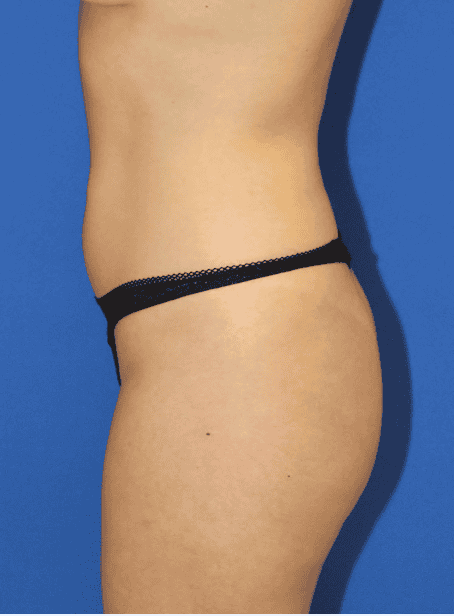
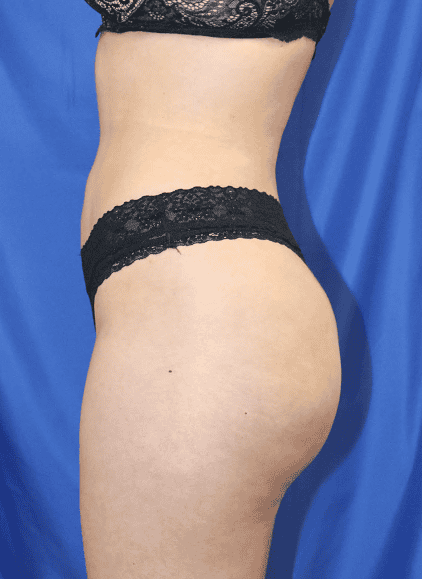
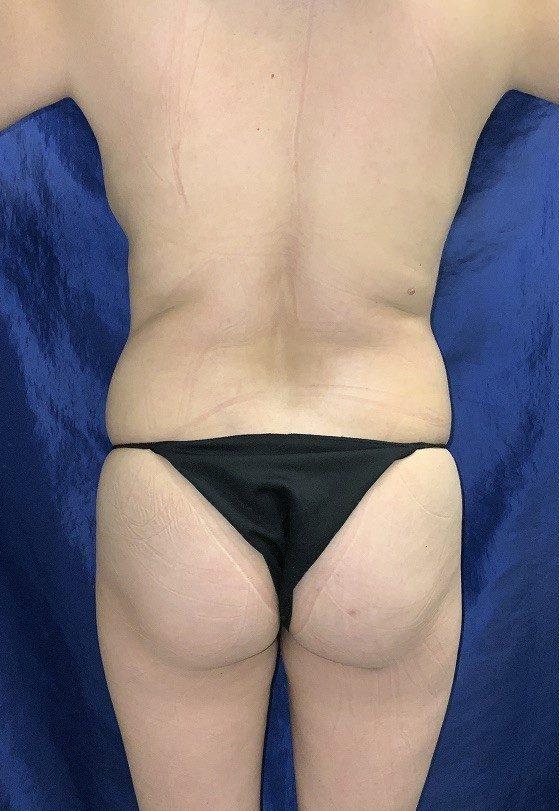
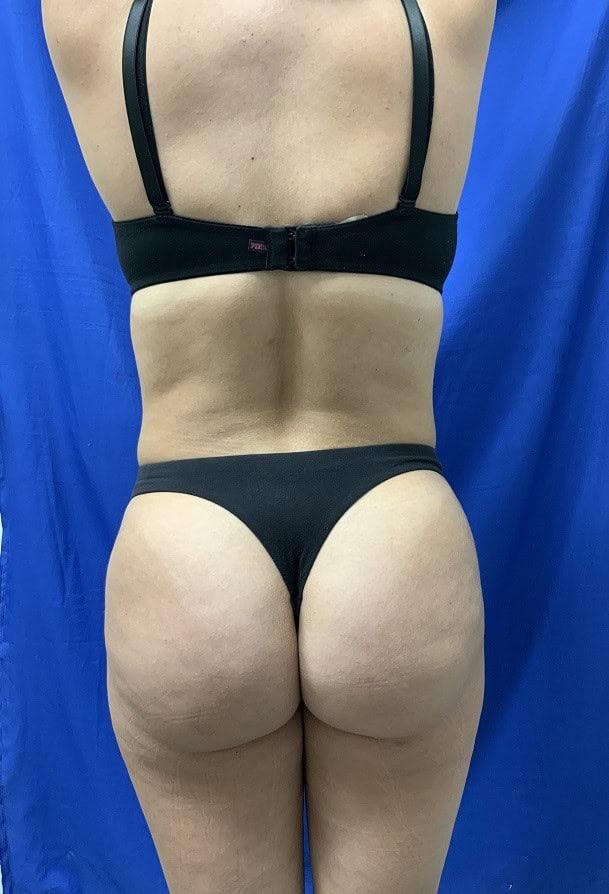
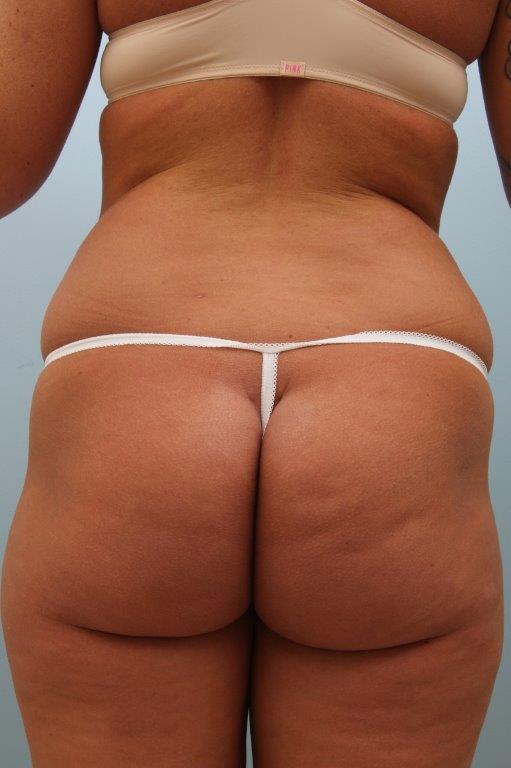
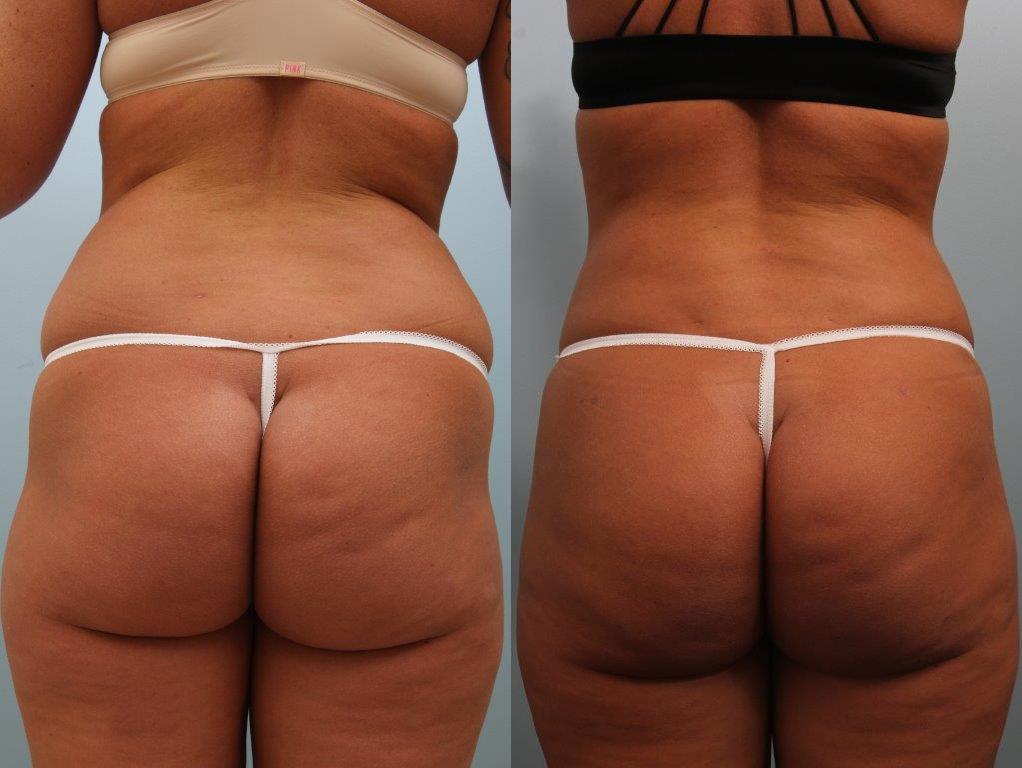
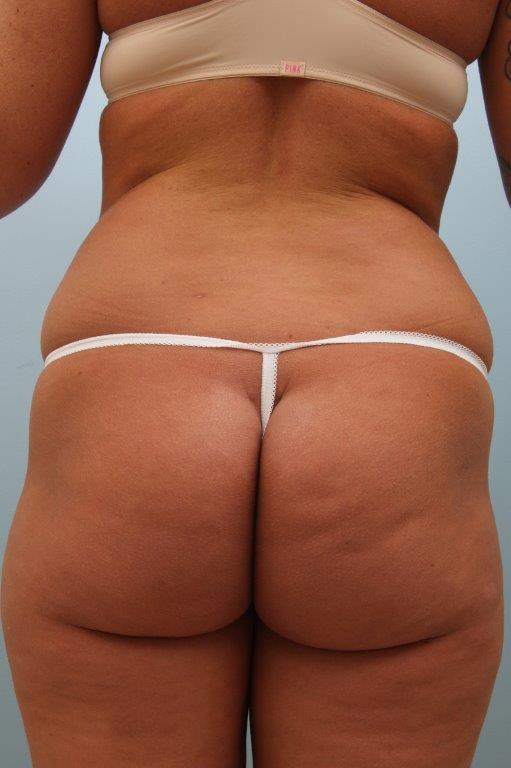
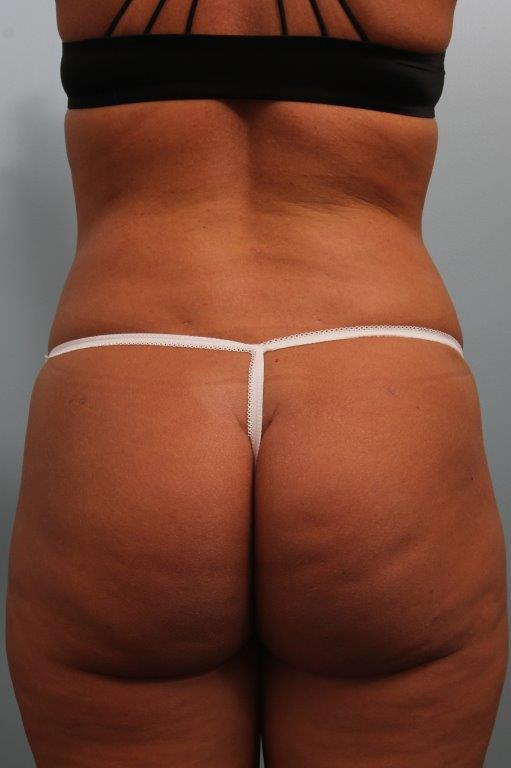
Real patient results
From verified board-certified surgeons in our directory.
Find a board-certified BBL surgeon
Get matched with verified BBL surgeons in your area.
How to evaluate a BBL quote
Three practical steps separate a defensible quote from a risky one.
First, verify board certification directly. The ABPS maintains a public verification database [3]. Confirming certification takes 30 seconds and is the single highest-yield piece of due diligence. Detailed criteria are covered in How to Choose a Board-Certified Plastic Surgeon: 7 Steps.
Second, request an itemized written estimate. It should list the surgeon's fee, anesthesia fee, facility fee, pre-op labs, garments, and follow-up. A reputable practice provides this without resistance.
Third, confirm facility accreditation. AAAASF, AAAHC, or Joint Commission accreditation should be displayed publicly and is verifiable through the accrediting body's directory.
The honest verdict
A properly performed BBL by a board-certified plastic surgeon in an accredited facility in the United States costs $8,000 to $18,000 all-in. Quotes meaningfully below that range are not bargains — they are signals that something in the surgeon's training, the facility, or the operative protocol is being compromised. The peer-reviewed literature is consistent on this: BBL mortality risk is real, and it correlates with low-volume operators, intramuscular injection, and unaccredited facilities [2][8].
The more defensible framing is that a BBL is a $10,000-to-$15,000 investment in a procedure with non-trivial risk, performed by a specifically trained subspecialist, in a regulated facility, with a built-in expectation that a meaningful subset of patients will pursue a revision. Patients budgeting only the surgeon's fee are budgeting roughly half the true cost.
For patients also considering body-contouring alternatives or adjunct procedures, Mini vs Full Tummy Tuck and Liposuction Recovery Week by Week provide useful context on related procedures often combined with or considered alongside a BBL.
Find a board-certified BBL surgeon near you
Get matched with verified BBL surgeons in your area.
This article is for educational purposes only and does not constitute medical advice. Procedure costs, risks, and outcomes vary by individual. Consult a board-certified plastic surgeon for personalized recommendations.