
Rhinoplasty is one of the most technically demanding procedures in plastic surgery, and its pricing reflects that complexity. The headline figure most patients see — around $6,000 to $8,500 in surgeon fees — represents only a fraction of what walks out of the consultation room as a final invoice. Anesthesia, facility fees, imaging, garments, medications, and the statistical likelihood of a revision all factor into the true cost of changing a nose. This guide breaks down what patients in the United States actually pay in 2026, where the money goes, and how to read a quote without being misled by a low surgeon fee that hides expensive add-ons.
Quick overview
The American Society of Plastic Surgeons reports an average surgeon's fee for rhinoplasty of approximately $5,800 to $8,500 [1]. Mayo Clinic and major academic centers cite an all-in range of $5,000 to $15,000 or more once anesthesia and facility costs are included [8]. The variance is not random — it tracks surgeon training, complexity of the case, geography, and whether the procedure is primary or revision.
Cosmetic rhinoplasty is almost never covered by insurance. Functional procedures that correct a deviated septum or breathing obstruction may receive partial coverage, but the cosmetic portion remains out of pocket [4][8]. Patients should approach rhinoplasty pricing the way they would approach any major elective expense: itemized, scrutinized, and compared against the credentials of the person performing the surgery.
The relationship between price and quality is real but imperfect. Board-certified plastic surgeons typically charge 10 to 30 percent more than non-certified practitioners [5], and that premium correlates with lower complication rates and revision rates — both of which carry their own significant costs.
Average rhinoplasty cost in 2026
National averages mask wide variation. Based on ASPS surgeon fee data and supplementary cost analysis from the Aesthetic Surgery Journal [3], a realistic breakdown looks like this:
- Surgeon's fee: $5,800 to $12,000 for primary rhinoplasty
- Anesthesia fee: $1,000 to $2,000
- Facility / operating room: $1,500 to $3,000
- Pre-operative labs and imaging: $200 to $500
- Post-operative medications and supplies: $100 to $300
- Follow-up visits: typically included in the surgeon's fee for the first year
For a straightforward primary cosmetic rhinoplasty performed by a board-certified plastic surgeon in a mid-tier metropolitan market, the total out-of-pocket figure usually lands between $8,500 and $14,000. Complex cases, high-demand surgeons, and major coastal cities push that range to $15,000 to $25,000 or higher [1][3][8].
For a procedure-by-procedure pricing breakdown, see the detailed cost of rhinoplasty page.
Cost by type of rhinoplasty
Not all rhinoplasties are priced the same. The surgical approach and goals materially affect operating time, materials, and therefore cost.
Primary cosmetic rhinoplasty
The baseline procedure. Reshapes the bridge, tip, or nostrils for aesthetic reasons. Typical range: $8,500 to $14,000 all-in.
Closed vs. open rhinoplasty
Closed rhinoplasty uses incisions entirely inside the nostrils and is generally faster, slightly less expensive, and produces no external scar. Open rhinoplasty adds a small incision across the columella for greater visibility and control — useful for complex tip work and revisions. The cost differential is modest, typically a few hundred dollars, driven primarily by operating room time [2].
Functional / septoplasty-combined rhinoplasty
When rhinoplasty is combined with septoplasty to correct breathing obstruction, the functional portion may be partially covered by health insurance. The cosmetic portion remains out of pocket. Patients typically pay $3,000 to $7,000 in cosmetic fees on top of insurance-covered functional work [4][8].
Revision rhinoplasty
Revision rhinoplasty costs 20 to 40 percent more than primary procedures [2]. Scar tissue, altered anatomy, and the frequent need for cartilage grafting (from the rib or ear) significantly increase operating time and technical demand. Realistic range: $12,000 to $25,000+.
Ethnic and preservation rhinoplasty
Specialized techniques that preserve nasal structures or address specific anatomical features command a premium because the pool of surgeons who perform them well is small. Expect to pay at the higher end of the primary range, often $12,000 to $18,000.
Non-surgical (liquid) rhinoplasty
Filler-based reshaping costs $600 to $1,500 per session and lasts 9 to 18 months. Over a five-year horizon, repeated treatments often exceed the cost of a single surgical rhinoplasty, and the aesthetic ceiling is lower. It is a different product, not a cheaper version of the same product.
Factors that drive the price
Surgeon credentials and experience
The American Board of Plastic Surgery notes that board-certified surgeons charge a 10 to 30 percent premium, and this premium tracks measurable differences in outcomes [5]. A surgeon who performs 200+ rhinoplasties per year is not priced the same as one who performs 20. Patients researching surgeons should start with the guidance in how to choose a board-certified plastic surgeon.
Geographic location
Urban centers run 15 to 25 percent higher than rural and suburban markets [3]. A primary rhinoplasty that costs $9,500 in Phoenix may run $14,000 in Manhattan with the same level of surgeon. Comparative searches such as rhinoplasty surgeons in Los Angeles and rhinoplasty surgeons in Miami illustrate the spread within high-demand markets.
Case complexity
Thick skin, prior trauma, asymmetry, deviated septum, and revision status all add operating time. Each additional hour in the OR adds roughly $400 to $800 in facility and anesthesia costs alone.
Graft material
Autologous cartilage harvested from the septum is included in the base fee. When septal cartilage is insufficient, ear or rib cartilage harvesting adds operating time and cost. Synthetic implants are less common in U.S. practice and carry their own long-term considerations regarding extrusion and infection [6].
Anesthesia type
General anesthesia administered by a board-certified anesthesiologist or CRNA in an accredited facility costs more than IV sedation in an office-based setting — but it is the safer standard for full rhinoplasty [3].
Hidden and ancillary costs
The surgeon's fee is the most visible line item, but it is rarely the largest source of unexpected expense. The following are routinely under-disclosed during consultations:
- Pre-operative medical clearance: $150 to $400 if required by the surgical facility, especially for patients over 40 or with comorbidities.
- Prescription medications: Antibiotics, pain medication, and anti-nausea drugs add $50 to $200.
- Specialty tape, splints, and saline rinses: $50 to $150.
- Time off work: Most patients need 7 to 14 days away from work. For salaried or hourly workers, this is a real cost that should be budgeted.
- Travel and lodging: Patients who travel to a specialist surgeon must factor in flights, hotel, and a companion. Two trips are typical — consultation and surgery — though many surgeons consolidate consultations virtually.
- Touch-up or revision: Even in the best hands, the published revision rate for primary rhinoplasty is 5 to 15 percent [7]. Many surgeons waive their own fee for minor revisions but facility and anesthesia fees still apply, typically $2,500 to $4,000.
A financially honest budget for rhinoplasty includes a 15 to 20 percent contingency above the headline quote.
Insurance, financing, and payment
What insurance covers
Purely cosmetic rhinoplasty is not covered by U.S. health insurance under any major carrier [4][8]. The exception is the functional component — septoplasty, turbinate reduction, or repair of a traumatic deformity. Documentation requirements are strict: failed medical management, CT imaging, and a clear functional diagnosis are typically required. Even when approved, insurance covers the functional portion only; cosmetic refinements performed in the same operation are billed separately to the patient.
Financing options
Medical financing companies such as CareCredit and Alphaeon offer promotional 0% APR periods of 6 to 24 months, after which rates frequently rise to 17 to 27 percent. Patients who can clear the balance during the promotional period avoid interest entirely; those who cannot may pay substantially more than the original procedure cost over the loan's life.
Many surgical practices offer in-house payment plans with smaller down payments. Some health-savings accounts (HSAs) and flexible spending accounts (FSAs) can be applied to the functional portion of a combined procedure but not the cosmetic portion.
Medical tourism
Procedures abroad — particularly in Turkey, Mexico, and South Korea — are advertised at 40 to 70 percent below U.S. pricing. The savings are real but so are the tradeoffs: limited recourse if complications occur, difficulty arranging follow-up care, increased risk of postoperative complications during long-haul travel, and significant variation in facility accreditation and surgeon credentialing. Revision rhinoplasty performed in the United States to correct an unsatisfactory result abroad routinely costs more than the original surgery would have at a U.S. board-certified surgeon.
Find a board-certified rhinoplasty surgeon
Get matched with verified Rhinoplasty surgeons in your area.
Cost scenarios: best case, typical, worst case
Best case: ~$8,500 all-in
Primary cosmetic rhinoplasty, mid-tier metro market, board-certified plastic surgeon with 10+ years of focused rhinoplasty experience, straightforward anatomy, no revision needed. Recovery uncomplicated. Total lifetime cost equals the initial invoice.
Typical case: ~$12,000 to $14,000 all-in
Urban or coastal market, board-certified surgeon, moderate complexity (mild deviation, refinement of bridge and tip). 7 to 14 days off work. Minor swelling persists 6 to 12 months. No revision required. Lifetime cost equals the initial invoice plus minor incidentals.
Worst case: $18,000 to $30,000+
Initial procedure in a discount setting or with an under-qualified surgeon. Suboptimal result requires revision rhinoplasty 12 to 18 months later by a revision specialist. Revision adds $12,000 to $20,000. Total lifetime cost can approach or exceed the price of going to a top-tier surgeon initially.
The data here is unsentimental: choosing primarily on price is the most reliable way to end up paying twice [2][5][7].
How to evaluate a quote
A professional written quote should itemize:
- Surgeon's fee
- Anesthesia provider and fee
- Facility fee, with the facility name and accreditation status (AAAASF, AAAHC, or state-licensed hospital)
- Pre-operative testing requirements
- Post-operative follow-up schedule and what is included
- Revision policy — under what circumstances and timeframe will the surgeon waive their fee
- Cancellation and rescheduling terms
For patients comparing surgeons across markets, regional pages such as rhinoplasty surgeons in New York, rhinoplasty surgeons in Chicago, and rhinoplasty surgeons in Houston provide directories of board-certified specialists.
The honest verdict
Rhinoplasty is not a procedure where price-shopping pays off. The technical demands are unusually high, the visible nature of the result is unforgiving, and the cost of correcting a bad outcome routinely exceeds the savings from choosing a cheaper surgeon. The realistic 2026 budget for primary rhinoplasty by a board-certified plastic surgeon in the United States is $10,000 to $15,000 all-in, with $8,500 being achievable in lower-cost markets and $18,000+ being standard in top-tier coastal practices.
Insurance will cover functional repairs when properly documented but will not subsidize aesthetic refinement. Financing makes the procedure accessible but should be modeled with the post-promotional interest rate in mind, not the teaser rate. Medical tourism offers real savings and real risks that are not symmetric — a complication abroad is materially harder and more expensive to fix than one at home.
The most cost-effective rhinoplasty is the one that does not need a revision. That outcome correlates more reliably with surgeon selection than with any other variable a patient controls. Patients planning the procedure should also review the rhinoplasty recovery timeline so the time-off-work component is budgeted realistically.
Rhinoplasty — what to expect, week by week
Typical recovery 10–14 days before patients return to most normal activities.
- Day 1–7Most pain & swelling. Compression garment 23 h/day. Walk daily.
- Week 2Off prescription meds, light activity, swelling starts to drop.
- Weeks 3–4Return to desk work. Light cardio. Sleep position may relax.
- Weeks 5–8Resistance training cleared by most surgeons. Garment off.
- Months 3–6Final shape emerges, swelling fully resolved, scars mature.
General guidance only. Your surgeon's instructions take precedence.
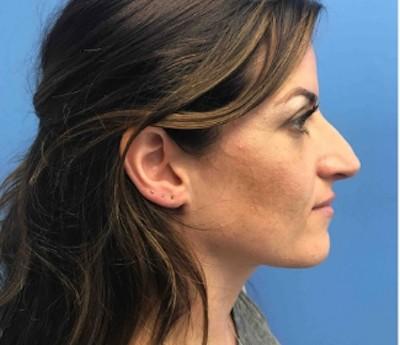
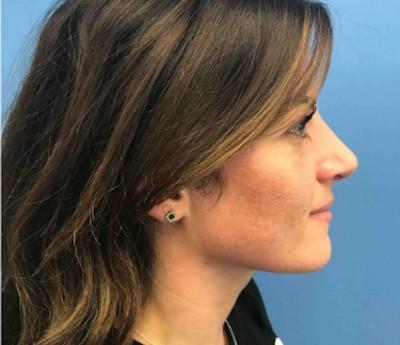
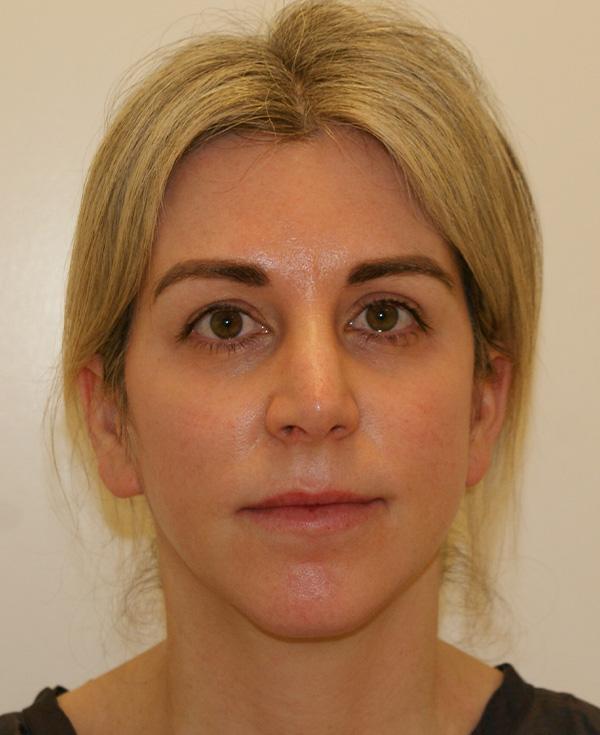
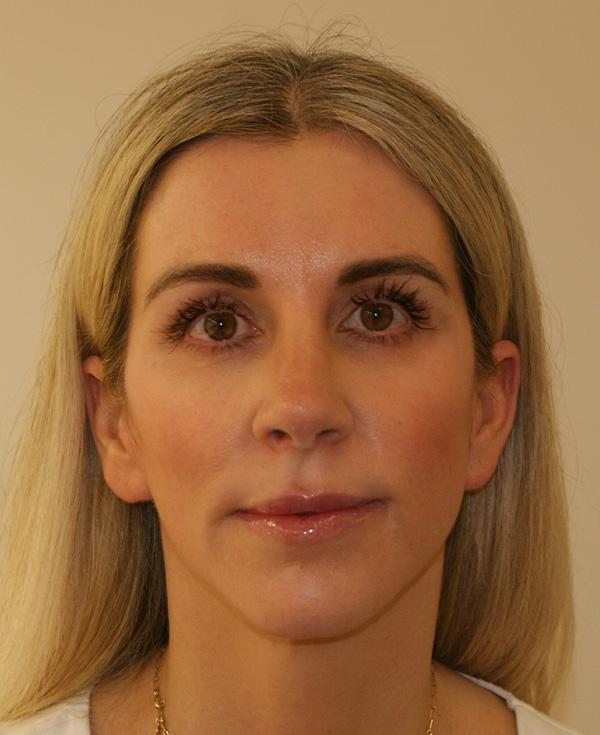
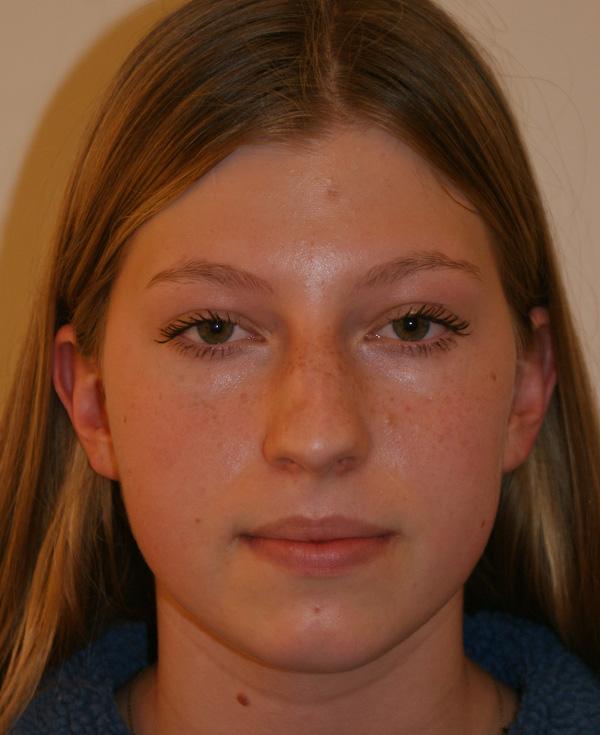
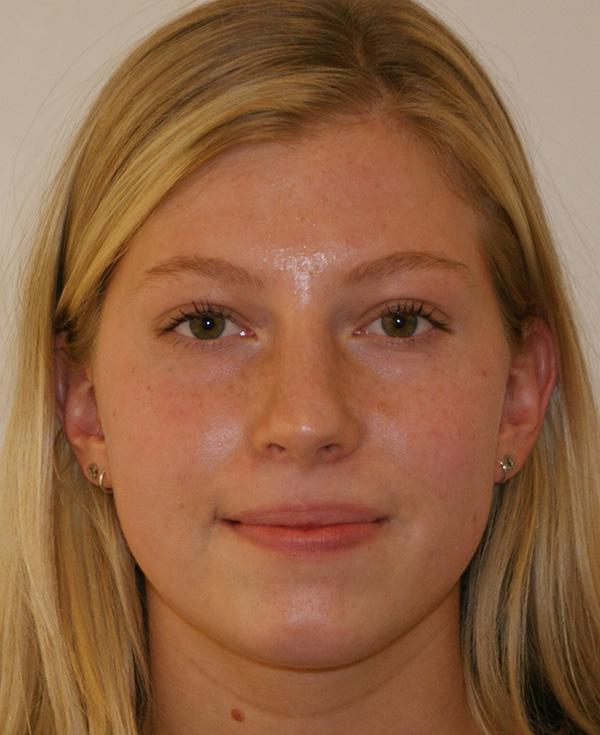
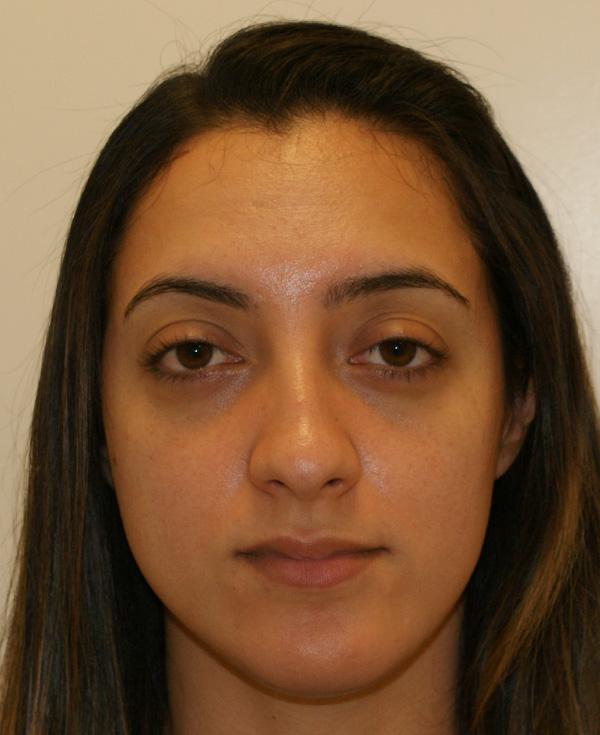
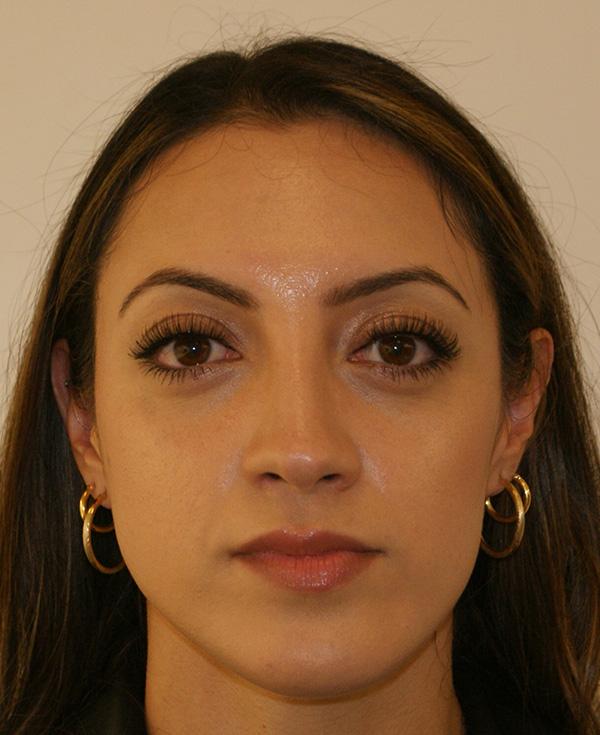
Real patient results
From verified board-certified surgeons in our directory.
Find a board-certified rhinoplasty surgeon
Get matched with verified Rhinoplasty surgeons in your area.
This article is for educational purposes only and does not constitute medical advice. Pricing varies by surgeon, market, and case complexity. Consult a board-certified plastic surgeon for an assessment specific to your anatomy and goals.