
Tummy tuck cost is one of the most misunderstood numbers in cosmetic surgery. The figure quoted in headlines — around $6,500 — is the surgeon's fee only, not the total a patient pays. The real, all-in price for an abdominoplasty in the United States typically lands between $9,000 and $18,000 once anesthesia, facility, garments, medications, and time off work are added in. This article breaks down what each line item actually buys, where the price legitimately varies, what hidden costs surprise most patients, and how to spot a suspiciously low quote that signals corner-cutting on safety.
Quick overview
Abdominoplasty is a major surgical procedure that removes excess skin, tightens separated abdominal muscles (diastasis recti), and reshapes the lower torso. According to the American Society of Plastic Surgeons, the average surgeon fee for abdominoplasty was $6,492 in 2023, making it one of the more expensive body contouring procedures performed in the US [1]. That surgeon fee figure, however, excludes the operating room, the anesthesiologist, pre-op labs, post-op garments, and any complication management — all of which are real costs the patient pays.
The total out-of-pocket cost depends on three main variables: the type of tummy tuck performed (mini, full, extended, or fleur-de-lis), the geographic market, and the surgeon's credentials and case volume. A mini tummy tuck in a smaller Midwest market may run $7,500 all-in. A full abdominoplasty with muscle repair in Manhattan or Beverly Hills routinely exceeds $20,000 [2][7].
Insurance almost never covers a cosmetic tummy tuck. The narrow exceptions — panniculectomy after massive weight loss, or hernia repair combined with abdominoplasty — have strict documentation requirements and are not the same procedure most cosmetic patients are seeking [3].
The real cost breakdown
A tummy tuck quote should itemize at least four components. If a surgeon's office gives a single flat number without a written breakdown, that is a red flag — not because the price is wrong, but because transparency at the quote stage predicts transparency in surgery.
Surgeon's fee — $5,500 to $12,000
This is what the surgeon personally earns for performing the operation and managing the global period (typically 90 days of post-operative care). ASPS 2023 data puts the national average surgeon fee at $6,492, but this figure is heavily skewed by lower-cost markets [1]. Board-certified plastic surgeons in major metros, particularly those with high case volumes and strong before/after portfolios, commonly charge $9,000 to $12,000 for a full abdominoplasty with muscle repair [7].
Fee variation within the same city typically reflects:
- Years in practice and case volume
- Board certification (ABPS vs. non-plastic-surgery boards)
- Hospital privileges in the procedure being performed
- Complexity of the specific case (BMI, previous abdominal surgery, hernia, large diastasis)
Anesthesia — $1,200 to $2,500
Abdominoplasty is performed under general anesthesia and runs two to five hours of operating room time. Anesthesia is billed by a board-certified anesthesiologist (MD) or a CRNA, typically on a per-hour basis [5]. Longer surgeries — combined procedures, revisions, very large pannus — cost more in anesthesia simply because the clock runs longer.
Facility fee — $1,500 to $4,000
The operating room, nursing staff, sterilization, and supplies are billed by the surgical facility, which may be a hospital, an ambulatory surgery center (ASC), or an office-based surgical suite. Hospital-based fees are the highest; accredited office-based surgical suites are the lowest [4][5]. Accreditation status (AAAASF, AAAHC, or state licensure) is non-negotiable for safety and should be verified before booking.
Pre-op and post-op essentials — $400 to $1,500
These are the line items most patients forget to budget for:
- Pre-operative labs and EKG: $150–$400
- Medical clearance from a primary care physician if required
- Prescription medications (antibiotics, pain control, anti-nausea): $100–$300
- Compression garment (often two are needed): $100–$250
- Surgical bra or binder if combined with other procedures
- Lymphatic massage sessions, if recommended: $75–$150 each, often 4–10 sessions
- Scar care products: $50–$200
Cost by tummy tuck type
The procedure name on the consent form drives a significant portion of the cost difference. The four main variants are not interchangeable, and a mini tummy tuck is not a discounted version of a full one — it addresses a different anatomic problem [2]. (For a deeper anatomic comparison, see Mini vs Full Tummy Tuck.)
Mini tummy tuck — $6,500 to $10,500 all-in
Addresses skin and minor muscle laxity below the navel only. Shorter scar, no umbilical repositioning, shorter OR time (1.5–2.5 hours). Appropriate for a narrow group of patients with isolated lower abdominal laxity.
Full (standard) tummy tuck — $9,000 to $15,000 all-in
The most common version. Hip-to-hip incision, umbilical repositioning, full muscle plication from xiphoid to pubis. Three to four hours of OR time. This is what most patients mean when they say "tummy tuck."
Extended tummy tuck — $12,000 to $18,000 all-in
Incision extends onto the flanks to address loose skin around the hips and lower back. Common after substantial weight loss. Longer OR time and more complex closure.
Fleur-de-lis abdominoplasty — $14,000 to $22,000 all-in
Adds a vertical midline incision to remove horizontal skin excess. Reserved for massive weight loss patients with significant skin in both directions. Highest complication rate of the four, and reflected in the price [4].
Combined with liposuction ("lipoabdominoplasty") — add $2,000 to $6,000
Adding liposuction of the flanks, upper abdomen, or back is common and usually billed as an additional procedure fee plus extra anesthesia time. The all-in total commonly lands $12,000–$20,000 depending on the volume of liposuction.
For a full geographic cost picture, see the tummy tuck cost page for regional pricing data.
Geographic variation
Geography drives 20–40% of the price difference for the same procedure performed by similarly credentialed surgeons [7]. Higher-cost markets reflect higher facility overhead, anesthesia rates, malpractice insurance, and patient demand — not necessarily better outcomes.
All-in price ranges for a full tummy tuck with muscle repair, mid-2025 estimates:
- New York / Manhattan: $14,000–$22,000 — see tummy tuck surgeons in New York
- Los Angeles / Beverly Hills: $13,000–$20,000 — see tummy tuck surgeons in Los Angeles
- Miami: $9,000–$15,000 — see tummy tuck surgeons in Miami
- Chicago: $10,000–$15,000
- Houston / Dallas: $9,500–$14,500
- Atlanta: $9,000–$14,000
- Phoenix: $9,500–$14,000
Miami is an outlier — high surgeon density and a competitive market keep prices lower than other coastal metros, but it also has a higher concentration of unaccredited and high-volume facilities. Lower price in Miami is not automatically a bargain [4].
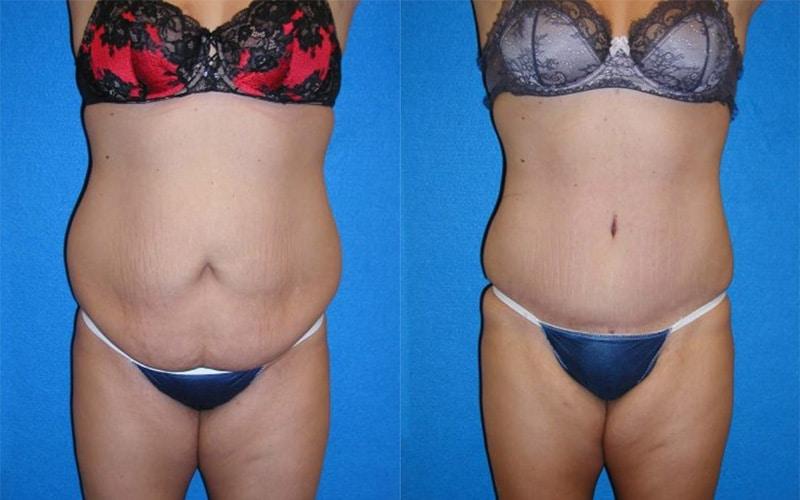
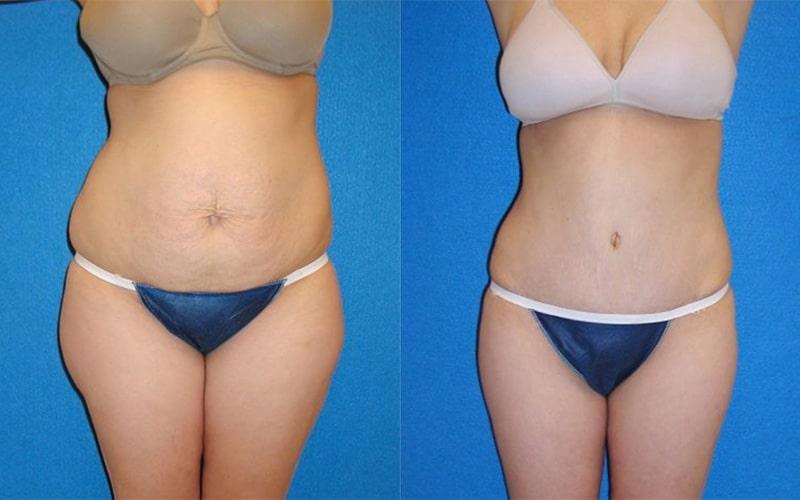
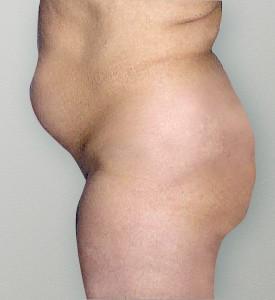
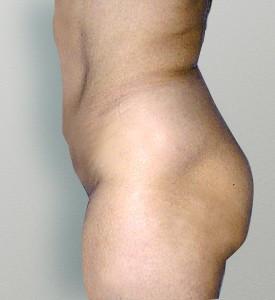
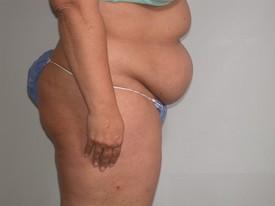
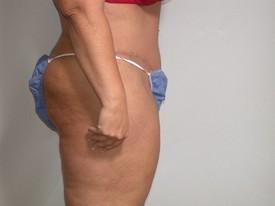
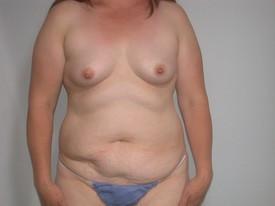
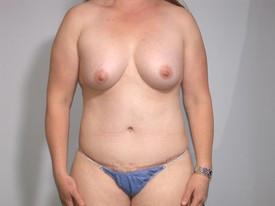
Real patient results
From verified board-certified surgeons in our directory.
Hidden costs most patients underestimate
The quoted surgical price is roughly 75–85% of the true cost of having a tummy tuck. The rest is everything that happens before and after the OR.
Time off work — $0 to $8,000+
Return-to-work timeline for desk work is typically 2–3 weeks. Physical jobs require 4–6 weeks. Patients without paid medical leave absorb this as lost income, and for many it is the single largest hidden cost.
Childcare and household help — $200 to $1,500
Lifting restrictions of 10 pounds for 4–6 weeks rule out picking up small children, carrying laundry, and grocery runs. Patients with young kids routinely budget for extra help.
Lymphatic drainage massage — $300 to $1,500
Increasingly recommended after lipoabdominoplasty. Not universally necessary, but most patients who do it report less swelling at 6 weeks.
Travel for out-of-town surgery — $500 to $4,000
Flying to a destination surgeon adds airfare, hotel stay during the recovery window (most surgeons require 7–10 days local before flying home), and a companion's travel.
Revision and complication costs — $0 to $15,000+
This is the cost most patients refuse to think about and surgeons rarely discuss upfront. Published abdominoplasty complication rates run 10–20% for minor complications (seroma, delayed wound healing, hypertrophic scar) and 1–4% for major complications requiring re-operation [4][8].
Most surgeons cover their own surgical fee for early revision (often within the first year) but the patient still pays anesthesia and facility fees, which can be $3,000–$6,000. Major complications — infection requiring hospitalization, deep vein thrombosis, pulmonary embolism — can produce medical bills well into five figures and are typically not covered by health insurance because they stem from an elective cosmetic procedure [4].
Insurance, financing, and legitimate ways to lower cost
Insurance coverage — narrow and specific
Cosmetic abdominoplasty is not covered by health insurance, full stop [3]. Two adjacent procedures sometimes are:
- Panniculectomy: removal of the overhanging skin apron (pannus) after major weight loss. Covered when the pannus causes documented rashes, ulceration, or functional impairment, with photo documentation and a paper trail of conservative treatment failures. Panniculectomy does not include muscle repair or umbilical repositioning — it is not a cosmetic tummy tuck [3].
- Ventral or umbilical hernia repair: when a hernia is repaired at the same time as abdominoplasty, the hernia portion may be covered. Muscle plication for diastasis recti alone is generally not covered, though some insurers have expanded coverage in specific states.
Pre-authorization is mandatory. Verbal coverage promises are worthless.
Financing
CareCredit, Alphaeon Credit, PatientFi, and Prosper Healthcare Lending are the most common medical financing options. Promotional zero-interest periods of 6–24 months are standard if paid in full within the window. Miss the window and deferred interest rates above 25% kick in retroactively. Run the math carefully.
Legitimate ways to lower the cost
- Combine procedures wisely. A tummy tuck combined with liposuction or breast surgery shares anesthesia and facility fees, lowering the per-procedure cost. The total time under anesthesia must stay safe — generally under six hours — and the surgeon must be honest about whether combining is medically appropriate.
- Surgical residency programs and academic centers. Some university plastic surgery programs offer reduced-fee procedures performed by senior residents under attending supervision. Quality is generally good; flexibility on scheduling is required.
- Off-peak scheduling. Some practices offer modest discounts on January–March bookings, the slowest cosmetic months.
- Travel to a lower-cost domestic market. Going from Manhattan to a high-quality surgeon in a smaller metro can save $5,000+, even with travel costs. International medical tourism for abdominoplasty carries higher complication and mortality risk and is not recommended by most US-based plastic surgery societies.
Red flags in low-cost quotes
A tummy tuck quoted at $4,500 all-in is not a deal. It is a warning. Major cost-cutting in this procedure typically happens in one of three places, and all three compromise safety.
The ASPS, ABPS, and FDA all emphasize accredited facilities, board certification, and qualified anesthesia personnel as the three pillars of safe outpatient cosmetic surgery [1][3][6]. Cutting any of them produces a lower price and a meaningfully higher complication rate [4][8].
For a step-by-step vetting process, see How to Choose a Board-Certified Plastic Surgeon.
Find a board-certified tummy tuck surgeon
Get matched with verified Tummy Tuck surgeons in your area.
Long-term value: what justifies a higher price
Patient-reported outcome studies on abdominoplasty consistently show high satisfaction (above 85%) when the procedure is performed by board-certified surgeons in accredited facilities, with results lasting decades absent significant weight fluctuation or pregnancy [8]. The cost-per-year-of-benefit math, for a patient in their late thirties or forties, is favorable compared to most elective medical expenses.
Factors that legitimately justify a higher fee from a specific surgeon:
- High annual case volume in abdominoplasty specifically — not just "body contouring" generally
- Hospital privileges for the procedure (a credentialing check by a hospital)
- Consistent before/after portfolio showing scar quality, contour, and umbilical aesthetics
- Low published or referenced revision rate — willing to discuss complication rates honestly
- Robust post-operative protocol — follow-up visits included, in-house garments, accessible after-hours line
Factors that do not justify a higher fee: a glossy office, social media follower count, celebrity client claims, or a luxury hotel partnership for recovery. None of those are evidence of surgical quality.
The honest verdict
A properly performed tummy tuck in 2025 costs between $9,000 and $18,000 all-in for most patients in most US markets. Prices below $7,500 should trigger careful scrutiny of credentials, facility accreditation, and anesthesia coverage. Prices above $20,000 should be supported by a clear value proposition — high case volume, complex revision work, or genuinely top-tier outcomes — not just a desirable zip code.
The cost question is the wrong starting question. The right starting question is whether the surgeon is ABPS-certified, operating in an accredited facility, with appropriate anesthesia coverage and outcomes that match what the patient is paying for. Once those filters are applied, the remaining price differences usually fall within a narrow, defensible range.
Find a board-certified tummy tuck surgeon
Get matched with verified Tummy Tuck surgeons in your area.
This article is for educational purposes only and does not constitute medical advice. Cost ranges are estimates based on published industry data and may vary substantially by surgeon, facility, and individual case. Consult a board-certified plastic surgeon for a personalized quote and medical evaluation.