
Breast lift recovery is more predictable than most patients expect — and more demanding in the first 72 hours than the marketing pages suggest. The procedure itself takes two to three hours under general anesthesia, but the body spends the next six weeks rebuilding tissue, sealing incisions, and quieting nerve signals that were rerouted during surgery [6]. Most patients return to desk work between days 10 and 14, resume light exercise around week three, and reach a stable cosmetic result at three to six months [1][5]. This guide breaks down what actually happens in the body week by week, what pain looks like, how scars evolve, and the specific symptoms that warrant a same-day call to the surgical team.
Quick overview
Mastopexy — the clinical term for a breast lift — repositions the nipple-areola complex and removes redundant skin to restore breast shape. Depending on the incision pattern (crescent, donut, lollipop, or anchor), recovery time shifts by one to two weeks [7]. An anchor lift involves the most extensive tissue undermining and the longest incision footprint; a vertical (lollipop) lift is the modern workhorse and recovers faster with less visible scarring.
The recovery arc has three distinct phases. The acute phase runs from surgery through day 7: pain, swelling, and fatigue dominate. The functional phase runs from week two through week six: incisions seal, drains come out, desk work resumes, and the surgical bra becomes part of daily life. The maturation phase runs from month two through month eighteen: swelling fully resolves, scars fade, and the breast settles into its final shape [5].
Complication rates for mastopexy fall between 5 and 15 percent, with most events being minor — small areas of delayed wound healing, transient nipple sensation changes, or seroma requiring aspiration [2][3]. Serious complications including blood clots and nipple necrosis occur in less than 1 percent of cases [8]. Recovery is not painful so much as restrictive: the limits on lifting, sleeping position, and arm movement are what most patients underestimate.
What happens in the first 72 hours
The first three days are the hardest. Patients wake from general anesthesia in a surgical bra with gauze padding over the incisions, sometimes with closed-suction drains exiting near the lateral chest wall. Nausea affects 10 to 20 percent of patients in the recovery room and is usually controlled with ondansetron before discharge [6].
Pain peaks between hours 24 and 72 and is typically described as a deep, tight, bruised sensation across the chest — not sharp. Most surgeons prescribe a short course of opioid analgesics (oxycodone or hydrocodone-acetaminophen) for the first two to four days, layered with scheduled acetaminophen and an NSAID if no contraindications exist [4]. Adequate pain control in the first 48 hours measurably improves overall recovery, sleep quality, and early mobilization [6].
Swelling and bruising are at their maximum around 48 to 72 hours [1]. The breasts feel heavy, hot, and disproportionately full — this is expected and does not reflect the final size. Patients should be walking short distances around the house from day one to reduce the risk of deep vein thrombosis, but should not be reaching overhead, lifting more than a coffee cup, or driving.
Week-by-week recovery timeline
Week 1: the restricted week
Days 1 through 7 are spent at home. Pain transitions from opioid-controlled to acetaminophen-controlled by day 4 or 5 in most patients [4]. The breasts feel tight — patients often describe a sensation of being "wrapped in a band" — and this tightness peaks around days 3 to 4 as inflammation matures.
Drains, if placed, are stripped and measured twice daily. They typically come out when output drops below 30 mL per 24 hours, which usually happens between days 5 and 10 [1][3]. Showering is permitted after 48 hours in most protocols, but baths, pools, and hot tubs are off-limits for at least three weeks.
Nipple sensation is unpredictable in week one. Some patients report complete numbness; others report hypersensitivity that makes even the surgical bra uncomfortable. Both are normal early findings. Permanent sensation changes occur in only 5 to 10 percent of cases, and most early sensory disturbances resolve over three to six months [2].
Week 2: the transition week
Sutures or steri-strips are typically removed at days 10 to 14 [4]. Most patients are off opioids entirely by this point and managing with acetaminophen alone. Bruising shifts from purple to yellow-green and begins to migrate downward toward the upper abdomen — this is gravity, not a complication.
Desk work becomes feasible for many patients around day 10 to 14, provided the role does not require lifting, reaching, or carrying [3]. Driving resumes when the patient is off all opioid medication and can comfortably perform an emergency steering maneuver — typically days 7 to 10.
Breast Lift — what to expect, week by week
Typical recovery 10–14 days before patients return to most normal activities.
- Day 1–7Most pain & swelling. Compression garment 23 h/day. Walk daily.
- Week 2Off prescription meds, light activity, swelling starts to drop.
- Weeks 3–4Return to desk work. Light cardio. Sleep position may relax.
- Weeks 5–8Resistance training cleared by most surgeons. Garment off.
- Months 3–6Final shape emerges, swelling fully resolved, scars mature.
General guidance only. Your surgeon's instructions take precedence.
Weeks 3–4: the deceptive plateau
This is when patients feel better than they should behave. Pain is largely gone, energy is returning, and the breasts look — to the patient — nearly normal. The temptation to resume gym workouts, lift toddlers, or sleep on the side is strong and should be resisted. Internal tissue healing is at roughly 50 percent of final strength at four weeks; the deep sutures supporting the new breast shape have not yet been fully reinforced by collagen.
Light cardio (stationary bike, brisk walking, elliptical without arm engagement) is generally cleared around week three [1]. Upper-body resistance training, running with significant breast bounce, and any chest or shoulder work remain off-limits. The surgical bra continues full-time, day and night.
Weeks 5–6: return to function
Most surgeons clear patients for unrestricted exercise, including upper-body strength work, between weeks four and six [1]. Underwire bras may be reintroduced around week six once incisions are fully sealed and no longer tender. Patients in physically demanding jobs — nursing, trades, childcare with infants — typically return to full duty in this window.
Scars at six weeks are at their most aggressive appearance: raised, red or pink, and firm. This is normal inflammatory remodeling and will improve significantly over the following year [2].
Months 2–6: settling and softening
The breast shape continues to evolve. The fullness at the top of the breast — common in the early weeks — gradually drops as tissues relax, producing a more natural teardrop contour. Final aesthetic results stabilize between three and six months as residual swelling fully resolves [5][8].
Months 6–18: scar maturation
Scars continue to fade and flatten for up to eighteen months [5]. Silicone sheets or gel applied daily starting at week three to four are the most evidence-supported scar intervention. Sun exposure to the incisions during this window will cause permanent hyperpigmentation and should be blocked with clothing or SPF 50.
Pain, sleep, and the surgical bra
Pain after mastopexy is moderate, not severe, for the vast majority of patients [4]. The pattern is predictable: worst on days 2 and 3, halved by day 5, mild by day 10, and largely gone by week three. Patients who require strong opioids beyond day 5, or who experience sudden worsening of pain after initial improvement, should contact the surgical team — this pattern can signal hematoma or infection.
Sleep position is the single most disruptive part of recovery. Back sleeping with the torso elevated 30 to 45 degrees is mandatory for at least three weeks, and side sleeping should not resume before week four to six depending on incision pattern. A wedge pillow, recliner, or stacked standard pillows all work. Stomach sleeping is the last position to return — usually around week six to eight.
The surgical bra (a front-closing compression bra without underwire) is worn continuously for two to three weeks, then during the day only for an additional two to three weeks [4]. The bra supports the new breast position, limits seroma formation, and reduces the mechanical stress on healing incisions.
Scars: what to expect and how to manage them
Mastopexy scars are permanent. They are also, in most cases, far less conspicuous at one year than patients fear at six weeks. Scar evolution follows a consistent pattern:
- Weeks 0–6: Thin, pink or red, flat. This is the best the scar will look short-term.
- Weeks 6–16: Raised, firm, and more colored — this is peak inflammatory remodeling and is often alarming to patients who don't expect it.
- Months 4–12: Progressive flattening and fading toward skin tone.
- Months 12–18: Final maturation. Most scars become thin, pale lines [2][5].
Evidence-supported interventions include silicone sheeting or gel (starting around week 3–4), strict sun protection, and avoiding tension across the incision (which is why lifting restrictions matter beyond muscle healing). Vitamin E oil, despite its popularity, has no consistent evidence base. Laser scar revision is an option from six months onward for hypertrophic scars that fail to mature.
Returning to work, exercise, and daily life
Return-to-work timelines depend almost entirely on job physicality:
- Sedentary desk work, work-from-home: 10–14 days [3]
- Standing retail, light office with occasional lifting: 2–3 weeks
- Teaching, customer-facing roles with full days: 3 weeks
- Nursing, dental hygiene, hairstyling (sustained arm elevation): 4–6 weeks
- Trades, warehouse, childcare with infants, heavy manual labor: 6 weeks minimum
Driving resumes once the patient is off all opioids and can comfortably perform an emergency maneuver, typically days 7 to 10. Air travel is generally safe after two weeks, with movement every hour during the flight to reduce DVT risk. Sexual activity can resume around week three if it does not involve chest pressure or vigorous movement.
Exercise progression: walking from day one, stationary cardio without arm engagement at week 3, full cardio at week 4, upper-body strength training at week 6 [1]. Running with breast bounce should wait until a supportive sports bra is comfortable — usually week 4 to 6.
When to call the surgical team
Most recoveries are uneventful. The complication rate of 5–15 percent is overwhelmingly minor events — small wound separations, fluid collections, areas of delayed healing [2][3]. Serious complications are rare but require immediate attention.
Infection rates run 1–3 percent with prophylactic antibiotics, and seroma formation occurs in 2–8 percent of cases — often resolving with simple in-office aspiration [3]. Smokers and patients with poorly controlled diabetes have substantially higher rates of wound healing complications and should disclose these risks honestly before surgery.
Choosing the surgeon (and the city)
Mastopexy outcomes are technique-dependent. A surgeon who performs lifts weekly produces more consistent shape, less recurrent ptosis, and finer scars than one who performs the procedure occasionally. Board certification by the American Board of Plastic Surgery is the floor, not the ceiling — patients should also ask how many mastopexies the surgeon performs annually, whether they use vertical or anchor techniques most often, and request to see before-and-after photos at twelve months (not six weeks).
For patients comparing options, breast lift versus implants is a common decision point — the recovery profile differs meaningfully. Major metro areas have deep benches of qualified surgeons: see breast lift surgeons in Miami, breast lift surgeons in Los Angeles, and breast lift surgeons in New York. Pricing varies significantly by region and technique — the cost of breast lift page breaks down what's typically included.
Find a board-certified breast lift surgeon
Get matched with verified Breast Lift surgeons in your area.
Long-term results and the question of revision
Results stabilize at six months and remain stable in most patients for years. Recurrent ptosis — gradual re-drooping — occurs in approximately 5 to 10 percent of patients over a five-to-ten-year window, driven largely by skin quality, weight fluctuation, and pregnancy [5]. Asymmetry significant enough to warrant revision occurs in 2 to 5 percent of cases [8].
Pregnancy after mastopexy is not contraindicated, but it can stretch tissues and alter results. Patients planning future pregnancies are often advised to delay the procedure until childbearing is complete — though this is a personal calculation, not a medical rule.
Patient satisfaction is consistently high: studies report satisfaction rates above 85 percent at six months [2]. The combination of restored shape, comfortable bra fit, and reduced skin irritation under the breast crease accounts for the strong subjective response.
The honest verdict
Breast lift recovery is a six-week project with an eighteen-month tail. The acute phase is shorter and less painful than most patients expect; the restrictive phase — no overhead reaching, no side sleeping, no upper-body exercise — lasts longer than most patients anticipate. Patients who follow the surgeon's lifting and positioning restrictions in weeks three to five, when they feel good and want to push, get the best long-term scars and the lowest revision rates.
The procedure delivers a durable, high-satisfaction result when performed by a high-volume board-certified plastic surgeon. The scars are permanent but typically inconspicuous at one year. The recovery is manageable but not trivial — and the patients who plan for it (childcare arranged, work cleared, sleep setup built) recover noticeably better than those who don't.
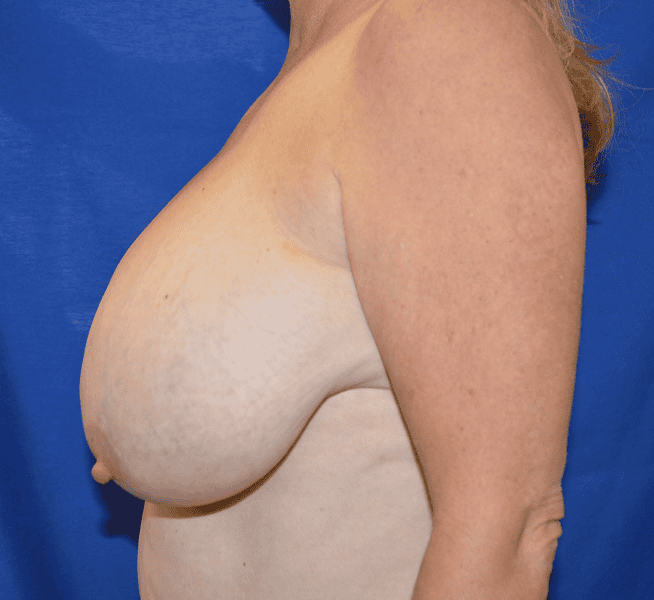
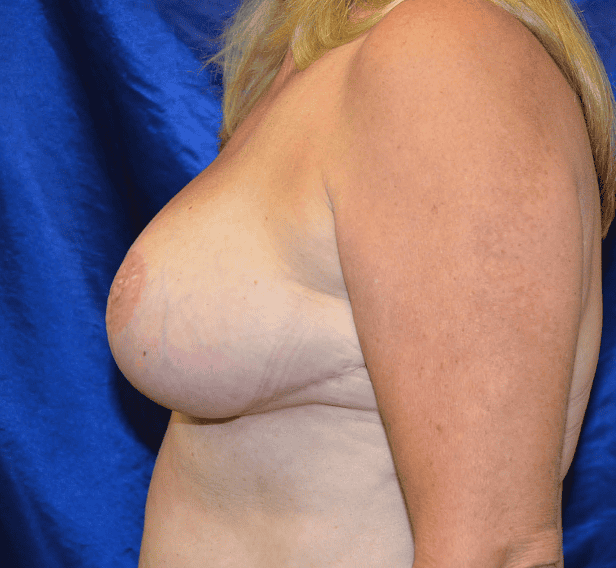
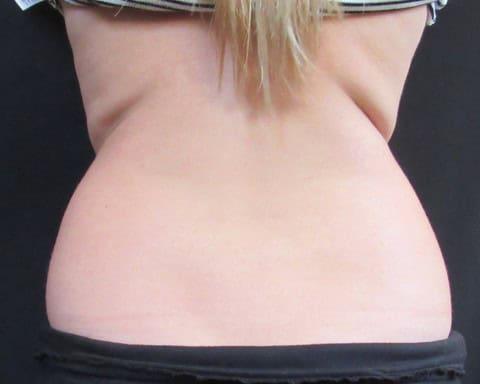
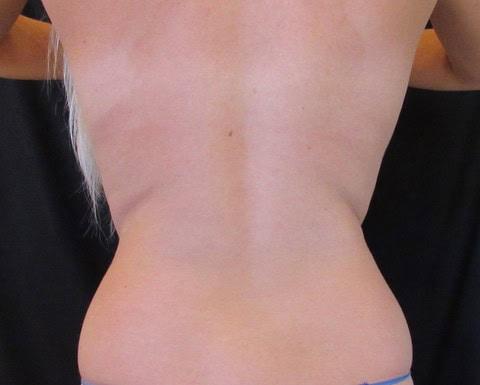
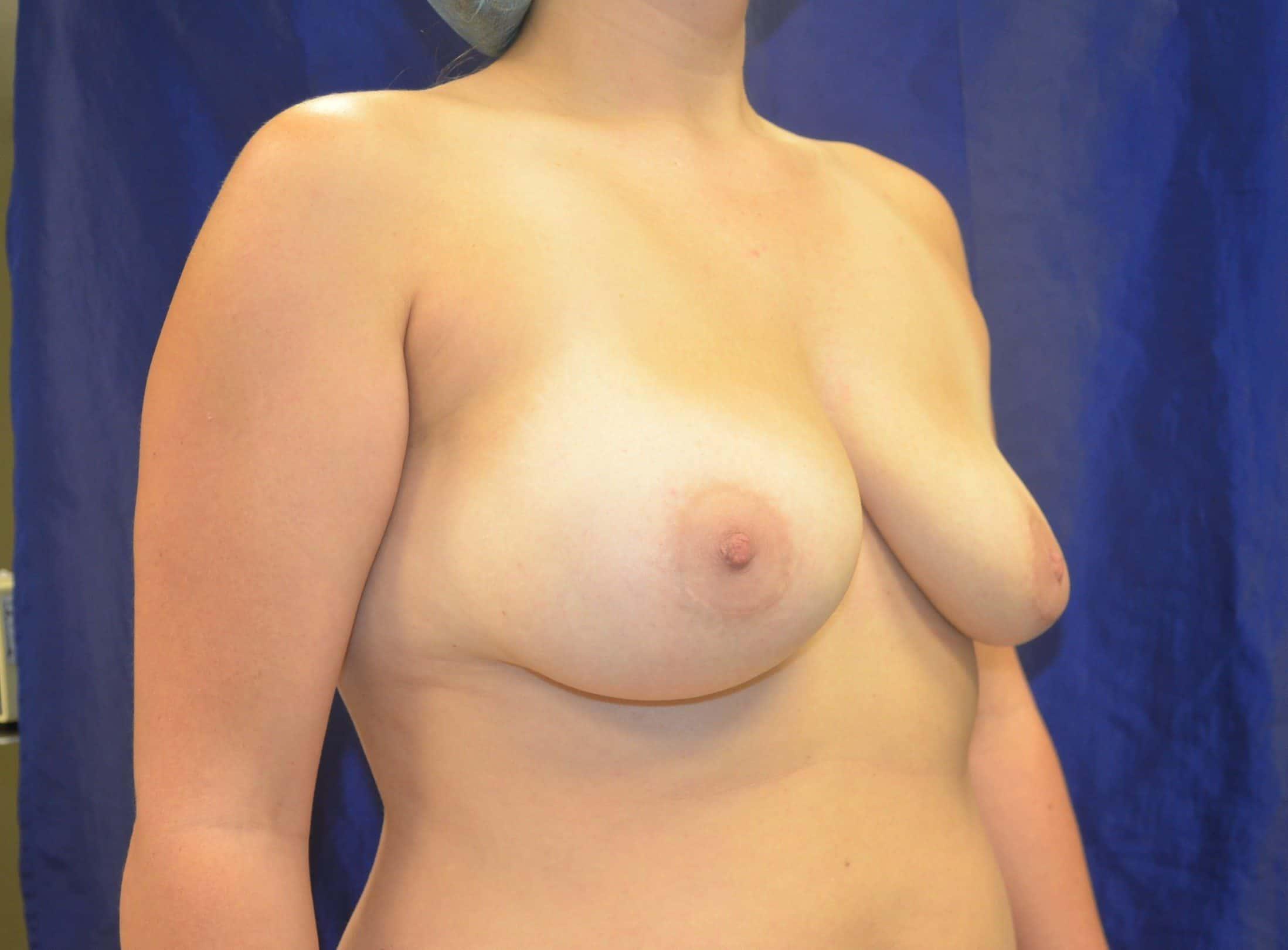
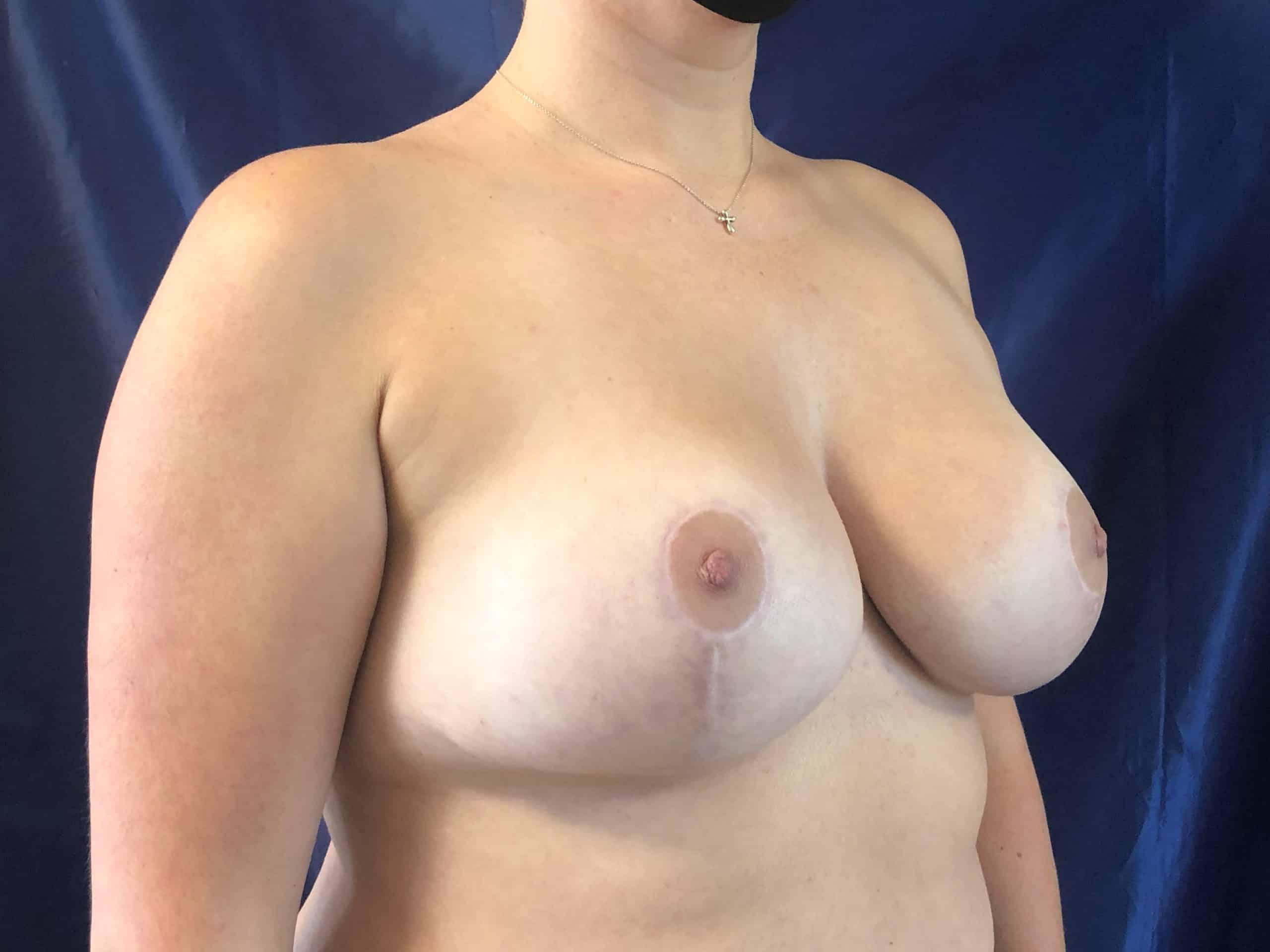
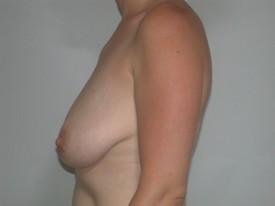
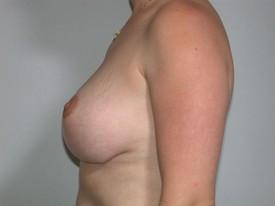
Real patient results
From verified board-certified surgeons in our directory.
Find a board-certified breast lift surgeon
Get matched with verified Breast Lift surgeons in your area.
This article is for educational purposes only and does not constitute medical advice. Individual recovery varies based on technique, anatomy, and overall health. Consult a board-certified plastic surgeon for guidance specific to your case.