
Breast lift and breast augmentation solve different problems, and confusing the two is the single most common reason patients are unhappy after surgery. A lift (mastopexy) repositions tissue and tightens skin without adding volume. Implants add volume but do little to correct sagging once nipple position has dropped below the breast fold. The right operation depends on where the nipple sits today, how much breast tissue remains, and whether the goal is restoration or enhancement. This guide breaks down candidacy criteria, risk profiles, recovery timelines, costs, and the cases where a combined lift-plus-implant is the only honest answer.
Quick overview
Mastopexy (breast lift) is a soft-tissue operation. The surgeon removes excess skin, repositions the nipple-areolar complex higher on the chest wall, and tightens the breast envelope. No foreign material is added. It is the correct procedure when the breast has adequate volume but has descended due to pregnancy, weight changes, or aging [1][4].
Breast augmentation places a silicone or saline implant beneath the breast tissue or pectoral muscle to increase size and improve upper-pole fullness. It does not lift sagging tissue. Placing a large implant in a ptotic breast typically produces a heavy, lower-positioned result rather than a youthful one [6].
A significant minority of patients — particularly those with post-pregnancy changes — need both: volume restoration plus tissue repositioning. This combined augmentation-mastopexy is technically demanding and carries higher revision rates than either procedure alone [2][8].
How to tell which procedure your anatomy needs
The single most useful self-assessment is nipple position relative to the inframammary fold (the crease beneath the breast). Stand in front of a mirror, arms at the sides.
- If the nipple sits above the fold and points forward, the breast is not ptotic. Volume change alone (implants) may be appropriate.
- If the nipple sits at the fold, the breast is mildly ptotic (Grade 1). Implants alone may suffice in some cases; borderline patients often benefit from a lift.
- If the nipple sits below the fold but still points forward, ptosis is moderate (Grade 2). A lift is indicated.
- If the nipple sits below the fold and points downward, ptosis is severe (Grade 3). A lift is required; implants without a lift will worsen the appearance [7].
The pencil test and skin quality
A secondary check: place a pencil or folded paper in the inframammary fold. If it stays in place without being held, there is enough skin laxity and tissue overhang that a lift will likely be recommended. Skin elasticity also matters. Thin, stretched skin with visible striae (stretch marks) tolerates implants poorly and tends to stretch further over time. Patients with this skin quality often achieve more durable results from a lift than from a large implant [7].
Volume assessment
If cup size is satisfactory when the breast is manually elevated to a youthful position, a lift alone will likely meet aesthetic goals. If the breast feels deflated or flat in the upper pole even when lifted, volume has been lost and an implant (or fat transfer) is needed to restore fullness [2].
Breast lift: what it does, what it doesn't
A mastopexy repositions the nipple-areolar complex, removes excess skin, and reshapes the breast envelope. Operative time runs 2–3 hours under general anesthesia [4]. Three incision patterns are used depending on the degree of ptosis:
- Periareolar (donut): incision around the areola only. Limited lift, best for mild ptosis.
- Vertical (lollipop): incision around the areola and vertically down to the fold. Moderate lift, most common pattern.
- Inverted-T (anchor): adds a horizontal incision in the fold. Greatest lift, reserved for severe ptosis or large breasts [1].
What a lift does not change
A lift does not increase cup size. In many cases the postoperative breast appears slightly smaller because tissue is reshaped into a tighter, higher cone. Patients expecting volume increase from a lift alone are routinely disappointed. A lift also does not stop the aging process — gravity, weight changes, and pregnancy after surgery will eventually produce some recurrent descent. Results typically hold for 10–15 years before any consideration of revision [1].
Honest downsides
Scarring is permanent. The vertical and inverted-T patterns leave visible lines that fade over 12–18 months but do not disappear [3]. Nipple sensation changes occur in 5–25% of patients, usually temporary but occasionally permanent. Breastfeeding is preserved in 70–85% of cases but cannot be guaranteed [4]. Infection rates run 1–3%, seroma and hematoma 2–8% [3]. Revision rates over 10 years range from 5–15%, most often for recurrent ptosis or scar revision [2].
Breast implants: what they do, what they don't
Augmentation adds volume by placing a saline or silicone implant. Modern silicone gel implants (cohesive "gummy bear" and shaped teardrop devices) hold their form better than older generations and produce more natural slopes in thin patients. Placement is either subglandular (above the muscle), submuscular (below pectoralis major), or dual-plane (a hybrid that releases the lower muscle attachments to allow the implant to sit partly behind tissue, partly behind muscle).
What implants do not do
Implants do not lift. An implant placed in a breast where the nipple sits below the fold produces a result where the implant is positioned high on the chest wall and the natural breast tissue hangs below it — sometimes called a "double bubble" or Snoopy deformity. The visual effect is worse than the starting point [6].
Implants are also not lifetime devices. The FDA recommends ongoing imaging surveillance and notes that most patients will require at least one revision over the device lifespan due to capsular contracture, rupture, malposition, or aesthetic preference change [6]. For a fuller comparison of fill types, see the silicone vs saline breakdown.
Cost comparison
Mastopexy generally costs $4,000–$10,000 in surgeon fees alone, with anesthesia, facility, and garment costs adding $2,000–$4,000 [1]. Augmentation runs slightly less in surgeon fees but adds the cost of implants ($1,500–$3,500 per pair). Combined augmentation-mastopexy is the most expensive single-stage operation in this category because it adds operative time, implant cost, and a higher revision likelihood.
Pricing varies significantly by metropolitan area. Surgeons in Miami and Los Angeles typically charge at the upper end of these ranges, while regional markets run lower. Full pricing detail is available on the cost of breast lift page.
Recovery: lift vs implants vs combined
Isolated mastopexy recovery is driven by skin healing, not muscle disruption. Most patients return to desk work at 7–10 days and full activity at 4–6 weeks [4]. Pain is moderate and typically managed with non-opioid analgesics after the first 48 hours.
Augmentation recovery depends on implant placement. Submuscular placement involves cutting pectoralis attachments and produces more pain and a longer return to upper-body exercise — typically 6–8 weeks. Subglandular placement recovers faster, closer to the mastopexy timeline. A week-by-week breakdown of augmentation recovery is covered in the breast augmentation recovery guide.
Combined augmentation-mastopexy recovery follows the longer of the two timelines and includes additional swelling that can take 3–6 months to fully resolve before the final breast shape is apparent.
Breast Lift — what to expect, week by week
Typical recovery 10–14 days before patients return to most normal activities.
- Day 1–7Most pain & swelling. Compression garment 23 h/day. Walk daily.
- Week 2Off prescription meds, light activity, swelling starts to drop.
- Weeks 3–4Return to desk work. Light cardio. Sleep position may relax.
- Weeks 5–8Resistance training cleared by most surgeons. Garment off.
- Months 3–6Final shape emerges, swelling fully resolved, scars mature.
General guidance only. Your surgeon's instructions take precedence.
Combined augmentation-mastopexy: when both are needed
The most common patient who needs both procedures is post-pregnancy: volume has decreased, skin has stretched, and the nipple has descended. Neither operation alone addresses the full deformity. A lift restores position but leaves an empty upper pole. Implants restore volume but accentuate sagging [2][8].
Why combined surgery is higher-risk
A mastopexy tightens the skin envelope. An implant stretches it. The two forces work against each other, which is why revision rates for combined surgery run higher than either procedure performed alone — published series report revision rates of 15–25% over 5–10 years, compared to 5–15% for isolated mastopexy [2]. Some surgeons recommend a staged approach: lift first, allow tissues to heal for 3–6 months, then place implants. This adds cost and recovery time but produces more predictable results in challenging cases.
Age and timing considerations
There is no medical minimum age for a breast lift, but the FDA restricts silicone breast implants to patients 22 and older and saline implants to 18 and older. Pragmatically, patients who plan future pregnancy should generally delay both procedures — pregnancy stretches skin and can undo a lift, and changes implant position. Patients in their 20s and 30s typically have better skin elasticity and slightly lower revision rates than patients lifting after age 50, though both age groups achieve high satisfaction in published series [8].
For patients near the end of childbearing, the calculus changes. Waiting indefinitely means living with the current shape; operating now means accepting that a future pregnancy may necessitate revision.
How to choose a surgeon
The single most important variable a patient controls is surgeon selection. Both mastopexy and augmentation are routinely performed, but the combined procedure separates experienced breast surgeons from generalists. Look for:
- Certification by the American Board of Plastic Surgery (not a similarly-named cosmetic board) [5]
- Hospital privileges to perform breast surgery at an accredited facility
- A portfolio of the surgeon's own before-and-after photos showing the specific procedure under consideration, ideally at 6–12 months postop
- A consultation that includes standing measurements, photographs, and a clear discussion of which procedure the anatomy actually calls for — not just the procedure the patient walked in asking for
Verified, board-certified surgeons can be found in major metros including New York, Chicago, Dallas, and Atlanta.
Find a board-certified breast lift surgeon
Get matched with verified Breast Lift surgeons in your area.
The honest verdict
Most patients researching "breast lift vs implants" already know what they want — they want bigger, perkier breasts in one operation. The honest answer is that the two procedures solve different problems, and the right one is dictated by anatomy, not preference. A patient with adequate volume and descended nipples will not get a satisfying result from implants alone, no matter how much they prefer the idea of a single, simpler surgery. A patient with small but well-positioned breasts does not need a lift and should not accept one as part of a package.
The surgeons who do this work well will say no to procedures that won't deliver the requested result. That is the single most useful filter in a consultation.
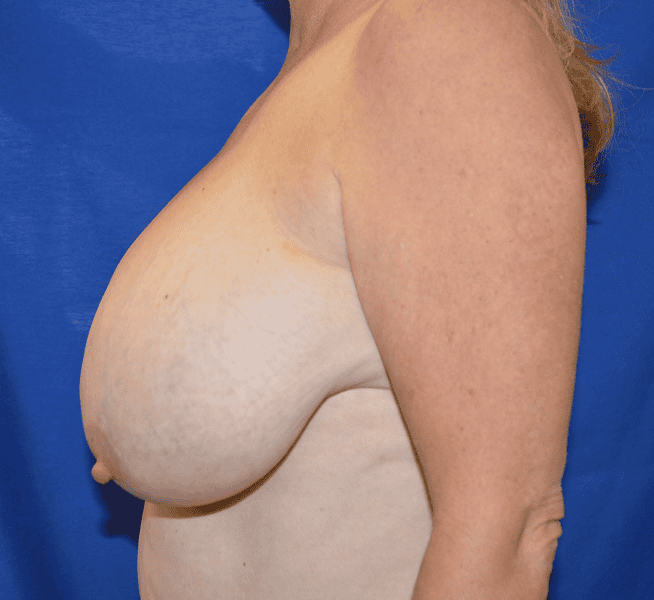
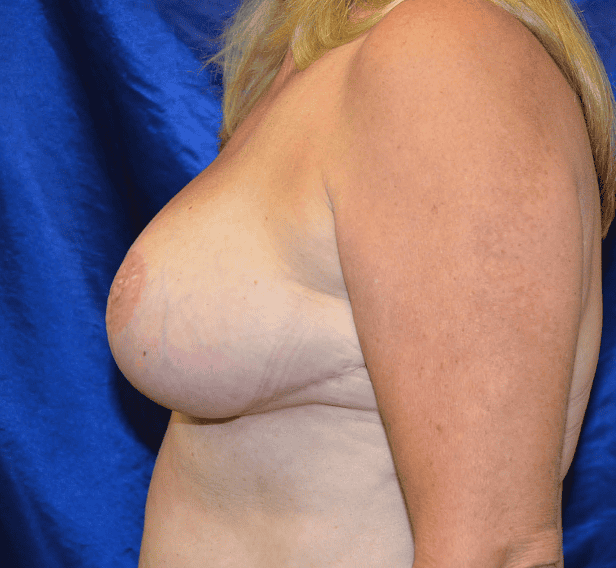
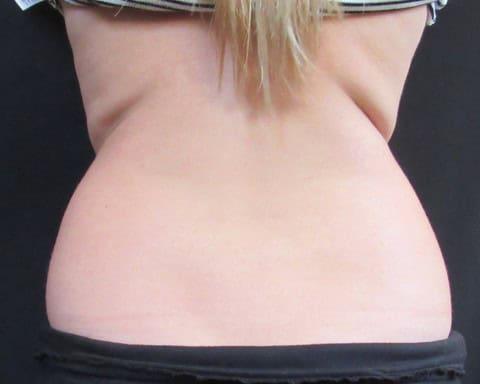
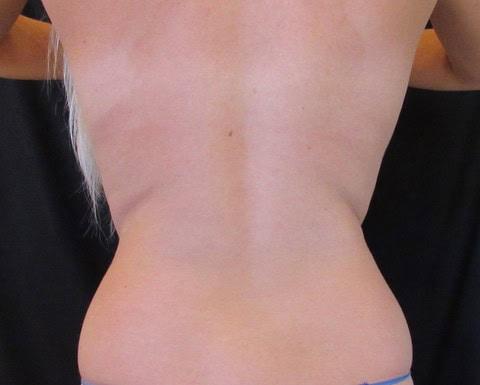
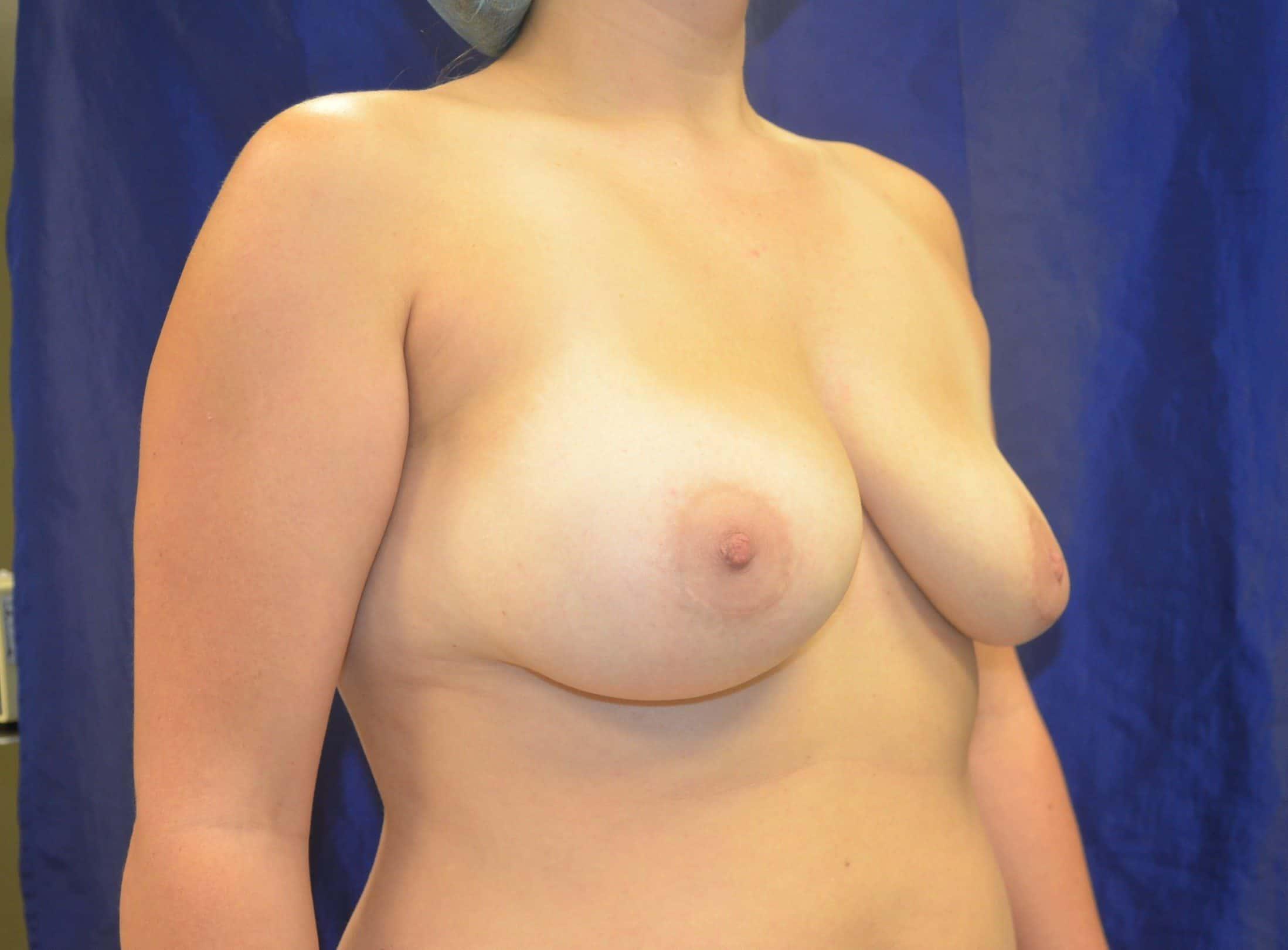
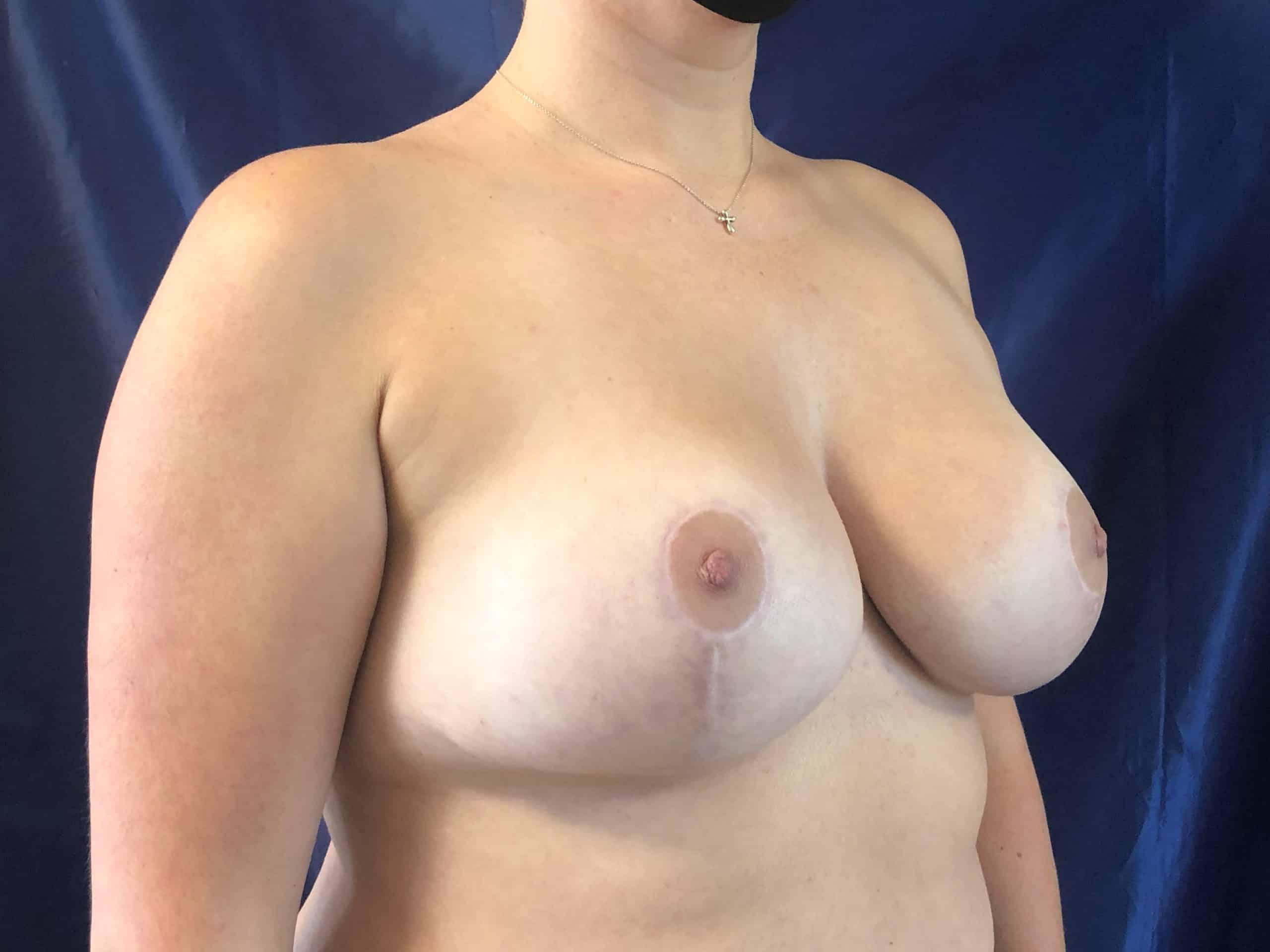
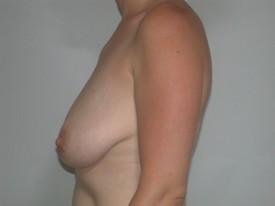
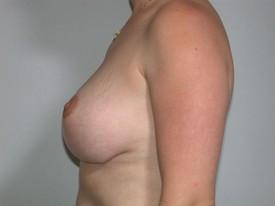
Real patient results
From verified board-certified surgeons in our directory.
Find a board-certified breast lift surgeon
Get matched with verified Breast Lift surgeons in your area.
This article is for educational purposes only and does not constitute medical advice. Decisions about cosmetic surgery should be made in consultation with a board-certified plastic surgeon after a complete in-person evaluation.