
Non-surgical rhinoplasty — sometimes marketed as a "15-minute nose job" or "liquid rhinoplasty" — uses injectable filler to camouflage dorsal humps, lift drooping tips, and correct minor asymmetry without anesthesia or downtime. It costs a fraction of surgery, results appear immediately, and hyaluronic acid versions can be dissolved if disliked [1][3]. But it is not a universal alternative to surgical rhinoplasty. It cannot make a nose smaller, cannot narrow a wide base, and carries a small but serious risk of vascular complications because of the nose's dense blood supply [4]. This guide compares both procedures honestly so the decision is based on anatomy, not marketing.
Quick overview
Non-surgical rhinoplasty is an additive procedure: filler is injected at strategic points to change the nose's silhouette. It works by adding volume above and below a dorsal hump so the profile reads as straight, by supporting the tip so it projects upward, or by filling depressions left by trauma or prior surgery. Results last 6 to 18 months depending on the filler used [1].
Surgical rhinoplasty is a structural operation. Cartilage and bone are reshaped, removed, or grafted. It is the only option for making a nose smaller, narrowing wide nostrils, correcting a deviated septum that affects breathing, or producing permanent change. Recovery takes weeks, final results take a year, and the cost is several times higher [3][5].
The two procedures are not competitors so much as different tools for different problems. A patient with a small bump and a slightly drooping tip is well-served by filler. A patient who wants their nose visibly reduced is not. Understanding the anatomy of the goal — not the budget — is what determines which option makes sense.
What non-surgical rhinoplasty actually does
The procedure takes 15 to 30 minutes in an office setting. Topical anesthetic is applied, and a board-certified injector — typically a facial plastic surgeon, plastic surgeon, or dermatologist — places small amounts of filler at specific points along the nasal dorsum, radix (the bridge between the eyes), supratip, or tip [3]. Most practitioners use a blunt-tip cannula rather than a needle to reduce the risk of injecting into a blood vessel [4].
The most common indications are:
- Dorsal hump camouflage. Filler is placed above and below the hump so the profile appears straight. The nose is technically larger after the procedure, not smaller, but the visual line is corrected.
- Tip projection or rotation. Small volumes at the columella or supratip can lift a drooping tip or improve definition.
- Asymmetry correction. Depressions from trauma, prior surgery, or congenital irregularity can be filled to balance the contour.
- Radix augmentation. Adding height at the bridge can make the nose look more refined in profile, particularly in patients with low nasal bridges.
Patient satisfaction in short-term studies ranges from 85 to 95 percent, largely because expectations are well-aligned with what the procedure can deliver [2][7].
What it cannot do
Filler adds volume. It cannot subtract. A large nose cannot be made smaller, wide nostrils cannot be narrowed, a bulbous tip cannot be refined through removal, and breathing problems caused by a deviated septum or collapsed valve are not addressed [5]. Patients who pursue non-surgical rhinoplasty hoping for a dramatic reduction are systematically disappointed.
Filler types: what gets injected
Not all fillers are appropriate for the nose. The choice affects longevity, reversibility, and risk profile.
Hyaluronic acid (Restylane, Juvéderm, Belotero)
HA fillers are the standard of care for non-surgical rhinoplasty. They are FDA-approved for facial use, last 9 to 18 months in the nose, and — critically — can be dissolved with hyaluronidase if a complication occurs or the patient dislikes the result [1][6]. Restylane Lyft and similar firmer formulations are typically chosen for the nasal dorsum because they hold shape against the skin's pressure.
Calcium hydroxylapatite (Radiesse)
Radiesse is denser, lasts 12 to 18 months, and produces strong structural support. However, it is not reversible. Once injected, it must be allowed to dissolve over time or surgically removed. Many experienced injectors avoid Radiesse in the nose for this reason — if a vascular complication occurs, there is no antidote.
Poly-L-lactic acid (Sculptra) and permanent fillers
Sculptra stimulates collagen over months rather than providing immediate volume, making it poorly suited to the precise contouring needed in the nose. Permanent fillers (silicone, PMMA) are explicitly discouraged by the FDA for nasal use because complications, when they occur, are also permanent [6].
Risks and complications
Non-surgical rhinoplasty is often marketed as low-risk. The truth is more nuanced. Routine complications are minor and self-limiting. Serious complications are rare but can be devastating.
Common, minor complications
Bruising occurs in roughly 20 to 30 percent of patients and resolves in 5 to 10 days. Swelling affects 15 to 25 percent and typically subsides within a week. Temporary asymmetry or palpable lumps can usually be massaged or dissolved [8].
Serious complications
The nose has a dense, end-arterial blood supply. Filler accidentally injected into or compressing a nasal artery can block flow to the skin (causing necrosis) or, in rare cases, travel retrograde to the ophthalmic artery and cause blindness [4]. Serious vascular events occur in approximately 0.5 to 1 percent of cases in published series, and overall complication rates range from 2 to 10 percent depending on definition and follow-up [1][2].
Warning signs — severe pain disproportionate to the injection, immediate blanching of the skin, mottled discoloration, or any vision change — require emergency hyaluronidase injection within hours to restore circulation [8]. This is the single most important reason to choose an injector who handles complications regularly, not a medspa technician.
Prior surgical rhinoplasty
Patients who have had surgical rhinoplasty are at elevated risk. Scar tissue distorts the normal vascular anatomy, making safe injection harder to plan. Many experienced injectors decline to treat post-rhinoplasty patients, or do so only with extreme caution.
Cost: filler vs surgery
Non-surgical rhinoplasty typically costs $600 to $1,500 per session in the United States, depending on the city, injector credentials, and volume of filler used [3]. Surgical rhinoplasty ranges from $5,000 to $15,000 or more, with national averages tracked in detail in TrustClinic's rhinoplasty cost guide and the cost of rhinoplasty reference.
The per-session cost is misleading on its own. Filler lasts 9 to 18 months. A patient who maintains results for a decade will spend $6,000 to $15,000 cumulatively — comparable to a one-time surgical fee. Non-surgical rhinoplasty is cheaper upfront, not cheaper over time.
Recovery and downtime
This is where non-surgical rhinoplasty has its clearest advantage. Most patients return to work the same day. Swelling and bruising, when present, are mild and concealable with makeup after 24 hours.
Standard post-procedure restrictions:
- No pressure on the nose for 48 hours (no glasses resting on the bridge, no facedown sleeping)
- No strenuous exercise for 24 to 48 hours
- No facials, massages, or heat exposure for 1 to 2 weeks
- Avoid blood thinners (aspirin, ibuprofen, fish oil, alcohol) for several days before and after to reduce bruising
Surgical rhinoplasty recovery is an entirely different category. Splints stay on for a week, bruising and swelling last weeks, and final refinement of the tip takes up to 12 months. A week-by-week recovery breakdown is available separately.
Rhinoplasty — what to expect, week by week
Typical recovery 10–14 days before patients return to most normal activities.
- Day 1–7Most pain & swelling. Compression garment 23 h/day. Walk daily.
- Week 2Off prescription meds, light activity, swelling starts to drop.
- Weeks 3–4Return to desk work. Light cardio. Sleep position may relax.
- Weeks 5–8Resistance training cleared by most surgeons. Garment off.
- Months 3–6Final shape emerges, swelling fully resolved, scars mature.
General guidance only. Your surgeon's instructions take precedence.
Who should choose which procedure
The decision rarely comes down to preference. It comes down to what the nose needs.
Non-surgical rhinoplasty is a reasonable choice when
- The concern is a small to moderate dorsal hump that can be camouflaged by filling around it
- The tip needs minor lifting or definition
- An asymmetry or depression — often post-traumatic — needs to be filled
- The patient wants to preview a surgical result before committing
- The patient is not ready for surgery due to age, schedule, or cost
Surgical rhinoplasty is the correct choice when
- The nose needs to be made smaller, narrower, or shorter
- The tip is bulbous, boxy, or significantly drooping
- Nostrils are wide or asymmetric at the base
- A deviated septum is causing breathing problems
- A previous rhinoplasty produced a result that needs revision
- The patient wants a permanent, one-time solution
The "test drive" use case
One legitimate hybrid strategy: a patient considering surgical rhinoplasty has filler placed to approximate the surgical plan. If they like the preview, they proceed with surgery. If not, the filler dissolves [5]. This is increasingly common in major metro markets — surgeons in Los Angeles, Miami, and New York frequently offer both procedures and can coordinate the sequence.
How to choose a provider
The injector matters more than the brand of filler. Vascular complications are managed in minutes, not hours, and the difference between a good and bad outcome is the practitioner's anatomical knowledge and complication readiness.
Minimum standards:
- Board certification in facial plastic surgery, plastic surgery, or dermatology
- Performs non-surgical rhinoplasty regularly (not occasionally as an add-on)
- Stocks multiple vials of hyaluronidase in the treatment room
- Uses cannulas rather than sharp needles for the dorsum
- Reviews vascular anatomy and complication signs during consent
- Has an explicit protocol for managing vascular occlusion
TrustClinic's guide to choosing a board-certified plastic surgeon details verification through the American Board of Plastic Surgery and American Board of Facial Plastic and Reconstructive Surgery.
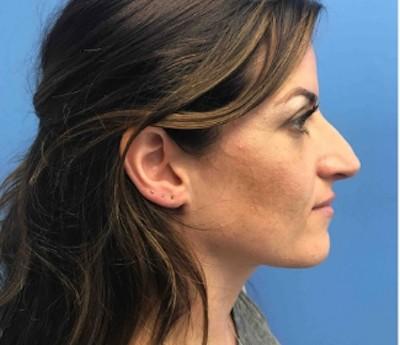
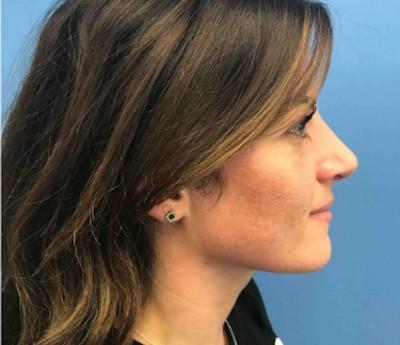
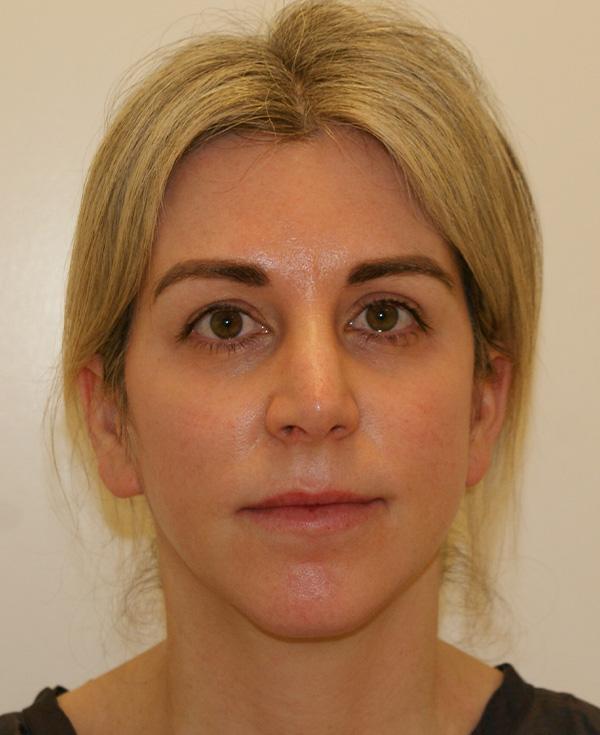
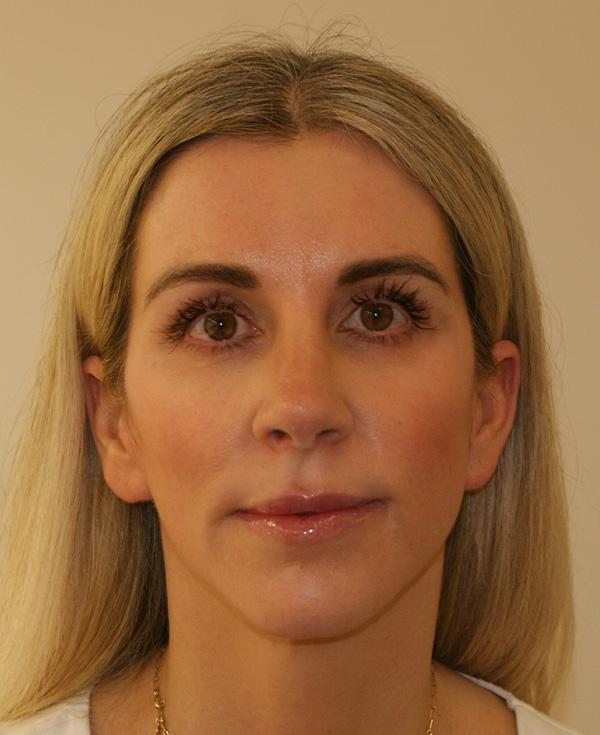
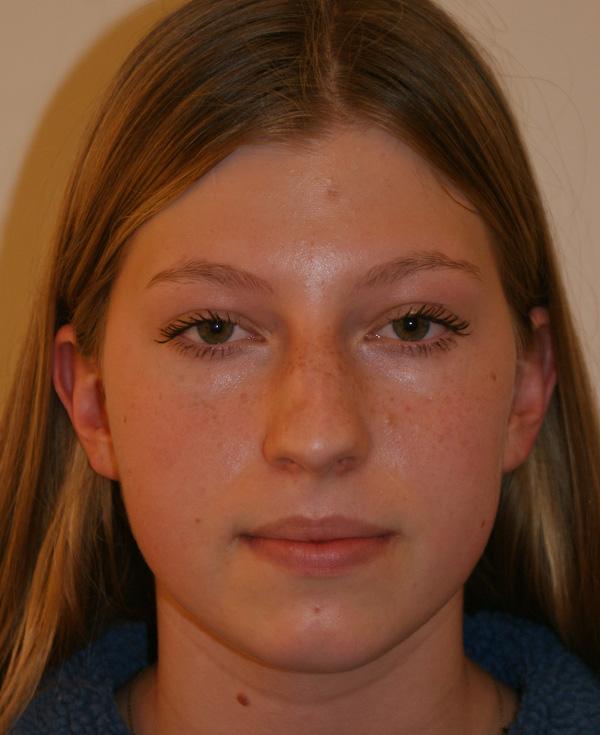
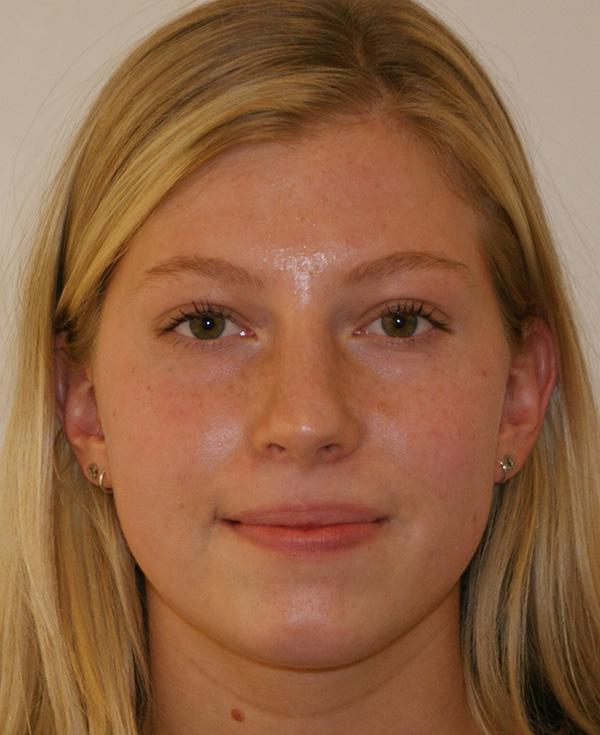
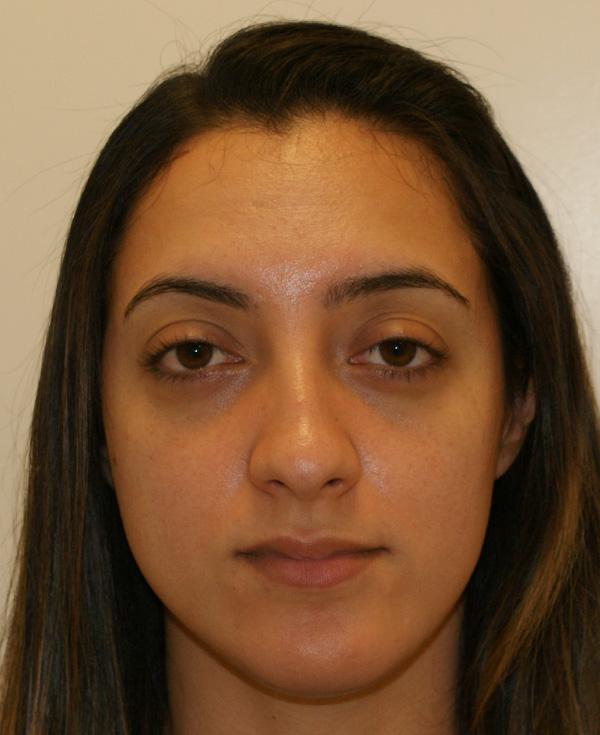
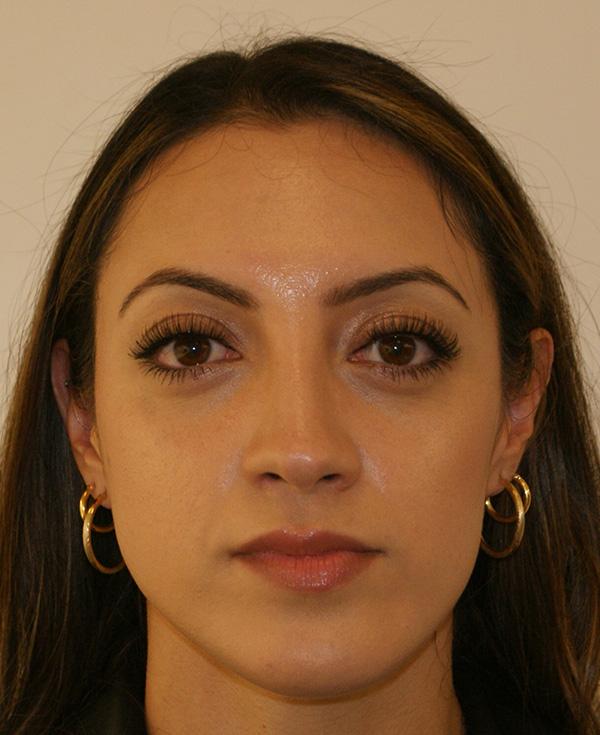
Real patient results
From verified board-certified surgeons in our directory.
Find a board-certified rhinoplasty surgeon
Get matched with verified Rhinoplasty surgeons in your area.
The honest verdict
Non-surgical rhinoplasty is a legitimate, valuable procedure when matched to the right anatomy and performed by the right injector. It excels at hump camouflage, minor asymmetry, and previewing surgical changes. It fails — and disappoints patients — when used to chase results it physically cannot produce, such as nose reduction or tip refinement requiring cartilage work.
The risk profile is not zero. The 0.5 to 1 percent rate of serious vascular events is small but real, and it is concentrated in the hands of inexperienced injectors working in unregulated settings [4]. Patients who choose non-surgical rhinoplasty in a medspa to save money are accepting the highest-risk version of the procedure to save on the version that is already affordable.
For patients whose anatomy is well-suited to filler, the procedure is one of the most satisfying in aesthetic medicine: immediate, adjustable, reversible. For patients who need structural change, no amount of filler will substitute for surgery, and pursuing it anyway delays the result they actually want.
Find a board-certified rhinoplasty surgeon
Get matched with verified Rhinoplasty surgeons in your area.
This article is for educational purposes only and does not constitute medical advice. Individual outcomes vary. Consult a board-certified physician for guidance specific to your anatomy and goals.