
The quoted price for breast augmentation is almost never what a patient actually pays over the lifetime of their implants. The American Society of Plastic Surgeons reports a surgeon's fee averaging just under $5,000 in 2023, but that figure excludes anesthesia, facility charges, implants themselves, imaging, garments, time off work, and the statistically near-certain cost of revision or removal somewhere in the next two decades [1]. This guide breaks down the real numbers — initial surgery, hidden line items, financing tradeoffs, medical tourism math, and the 20-year cost of ownership — using only ASPS, FDA, and peer-reviewed data.
Quick overview
In the United States, a fully loaded breast augmentation typically lands between $8,000 and $15,000 when every fee is included, not the $4,000–$5,000 figure often quoted as a "surgeon's fee" in ASPS statistics [1]. Silicone gel implants run roughly $1,000–$1,500 more per pair than saline, and cohesive ("gummy bear") implants add another premium [5][8].
The larger and less discussed number is lifetime cost. The FDA explicitly states that breast implants are not lifetime devices and that the longer a patient has implants, the more likely they are to require additional surgery [3]. Reoperation rates in long-term cohort studies range from roughly 20% to 36% within 10 years, depending on the indication (cosmetic vs. reconstructive) and implant generation [2][5]. Over 20 years, total spend including one revision and eventual explant or replacement commonly exceeds $20,000–$30,000.
This article treats breast augmentation as what it actually is: a recurring medical expense, not a one-time purchase.
What the average price actually includes
The ASPS "average surgeon fee" of approximately $4,800 for breast augmentation in 2023 is a narrow figure [1]. It covers the surgeon's professional time only. It does not include:
- Anesthesiologist fee (typically $1,000–$1,500)
- Operating room / surgical facility fee ($1,200–$2,500)
- The implants themselves ($1,200–$2,500 per pair)
- Pre-operative labs, mammogram or breast ultrasound when indicated
- Surgical bra and compression garments
- Prescription medications (antibiotics, pain control, anti-nausea)
- Follow-up visits beyond the standard global period
Added together, the all-in cost for primary cosmetic breast augmentation in a major U.S. metro typically falls between $8,000 and $15,000 [1][4][8]. Practices in higher-cost markets — see surgeons in Los Angeles, surgeons in New York, and surgeons in Miami — frequently quote at the upper end or beyond, while practices in Houston, Dallas, Phoenix, and Atlanta tend toward the middle of the range. A full city-by-city breakdown is maintained at /cost-of/breast-augmentation.
Silicone vs. saline: the real price difference
Implant material is the single most controllable cost variable. Saline implants are filled with sterile salt water and cost less to manufacture; silicone gel implants — including the highly cohesive "form-stable" devices — cost more both to produce and to insert [5][8].
Typical implant-only price difference (per pair, U.S.)
- Saline: approximately $1,000–$1,500
- Standard silicone gel: approximately $1,800–$2,400
- Highly cohesive / form-stable silicone: approximately $2,400–$3,500
The Cleveland Clinic notes that silicone implants tend to feel more like natural breast tissue and are now the dominant choice in the U.S. market, which is reflected in the ASPS data showing silicone used in the substantial majority of augmentations [1][8]. A detailed clinical comparison is available in Silicone vs Saline Breast Implants: Honest Comparison.
The price gap matters less than it appears at first glance because implant cost is a small share of total spend. Choosing saline to save $1,000 on a $12,000 procedure rarely makes financial sense if the patient prefers the feel and appearance of silicone — the dissatisfaction cost of choosing the wrong device is much higher.
Geographic variation
ASPS regional data and ABPS practice surveys show meaningful geographic spread in breast augmentation pricing [1][4]. General patterns:
- Highest: West Coast metros (Los Angeles, San Francisco), New York metro, Miami
- Mid-range: Chicago, Boston, Washington D.C., Seattle, Atlanta, Dallas
- Lower: Smaller Southern and Midwestern markets, parts of the Mountain West
The price difference between, say, Chicago and Los Angeles can be $3,000–$5,000 for an equivalent procedure with comparably credentialed surgeons. The variation tracks real estate costs, OR overhead, and local market rates — not necessarily surgical quality.
Hidden costs not in the quote
The quote a patient receives at consultation is frequently missing several real expenses. Patients should explicitly ask whether the following are included:
The NIH economic analysis of breast augmentation outcomes specifically flags surveillance imaging and unplanned office visits as costs patients consistently underestimate [7]. A patient with silicone implants who follows FDA surveillance guidance for 20 years can expect to pay $2,000–$5,000 in imaging alone depending on insurance coverage and modality [3][7].
The 20-year cost of ownership
This is the section the standard cost article omits, and it is the most important one. Breast implants are medical devices with a finite service life. The FDA and peer-reviewed long-term data converge on the same conclusion: most patients will undergo at least one additional implant-related surgery in their lifetime [2][3][5].
Realistic 20-year scenario for primary cosmetic augmentation
- Year 0 — Initial surgery: $10,000–$13,000
- Years 1–10 — Surveillance imaging (silicone): $1,000–$2,500
- Years 8–12 — First revision (capsular contracture, malposition, size change, or rupture; reoperation rate ~20–36% by year 10 in published cohorts) [2][5]: $7,000–$12,000 if it occurs
- Years 15–20 — Implant replacement or explant: $6,000–$15,000 depending on whether implants are removed, replaced, or removed with capsulectomy
A patient who has zero complications and never revises will spend the original $10,000–$13,000 plus surveillance. A patient who has one revision and one eventual replacement — a realistic, common trajectory — will spend $25,000–$40,000 over 20 years in current dollars [2][5][6]. Mayo Clinic explicitly counsels patients that capsular contracture, rupture, and the need for revision are foreseeable, not rare, events [6].
This is not an argument against breast augmentation. It is an argument against treating the procedure as a one-time $10,000 transaction when planning finances.
Revision and complication costs
When things go wrong, the price tag climbs quickly. Typical out-of-pocket figures from the published literature and major-center pricing [2][5][6]:
- Capsular contracture release with implant exchange: $7,000–$12,000
- Implant rupture, replacement of both implants: $6,000–$10,000
- En bloc capsulectomy with explant (no replacement): $8,000–$15,000
- BIA-ALCL workup and treatment: highly variable; often partially covered by insurance once diagnosed [3]
- Hematoma or infection requiring return to OR within the global period: sometimes absorbed by the original surgeon, sometimes billed by the facility
Most cosmetic-only complications are not covered by health insurance [4][7]. The exception is BIA-ALCL and certain reconstructive scenarios, which generally fall under medical coverage [3].
Insurance coverage: what is and isn't covered
Cosmetic breast augmentation is not covered by U.S. health insurance — this is consistent across virtually every commercial and government payer [4][7]. The Women's Health and Cancer Rights Act (WHCRA) requires coverage of breast reconstruction following mastectomy, including implant-based reconstruction and contralateral procedures for symmetry, but this is a reconstructive benefit, not a cosmetic one.
Patients with implants who later develop a covered medical condition — BIA-ALCL, certain cases of breast implant illness workup, or reconstruction after cancer — may have those specific services covered. Routine surveillance imaging is increasingly covered when ordered for clinical reasons, but coverage varies by plan [3][7].
Financing: real numbers, real interest
Most cosmetic plastic surgery practices offer financing through third-party medical lenders (CareCredit, Alphaeon, Prosper Healthcare Lending) or in-house plans. The honest math:
Financing a procedure that may require additional surgery within a decade is a meaningful financial commitment. Patients in debt service on the original procedure when a revision becomes medically necessary face difficult decisions.
Medical tourism: the cost-quality tradeoff
Breast augmentation in Mexico, Colombia, the Dominican Republic, Thailand, or Turkey is frequently advertised at $3,000–$6,000 all-in. The price is real. The tradeoffs are also real.
The FDA and ASPS have both issued patient guidance noting concerns with cosmetic surgery abroad including variable surgeon credentialing, facility accreditation, implant traceability, and — critically — lack of recourse and continuity of care when complications develop after the patient returns home [1][3]. Published case series document elevated rates of severe infection, including atypical mycobacterial infections, in patients returning from cosmetic surgery in certain destinations [3].
The honest cost-benefit picture:
- Best case: Patient saves $5,000–$8,000, has uneventful surgery and recovery.
- Realistic case: Patient must travel back for any revision, or pays a U.S. surgeon to manage complications — surgeons commonly charge a premium to take on another physician's revision case, often $10,000–$20,000.
- Worst case: Serious complication (infection, malposition, implant displacement) costs more to correct in the U.S. than the original procedure would have cost domestically.
Medical tourism is not categorically wrong, but the savings are real only if nothing goes wrong. The expected-value math frequently favors a domestic, board-certified surgeon once revision risk is included [2][3][5].
How surgeon credentials affect cost — and value
Board certification by the American Board of Plastic Surgery (ABPS) is the relevant credential for breast augmentation. ABPS-certified surgeons typically charge at or above the ASPS average; non-ABPS practitioners (including cosmetic surgeons certified by other boards) often charge less [4].
The price difference between an experienced ABPS-certified surgeon and a lower-priced alternative is frequently $2,000–$4,000 on the primary procedure. Given that revision after a poorly performed primary commonly costs $8,000–$12,000, the up-front savings are routinely consumed by a single complication. The published literature supports a clear association between surgeon volume, board certification, and lower complication and revision rates [2][4][5].
A detailed framework for evaluating credentials is available in How to Choose a Board-Certified Plastic Surgeon: 7 Steps.
Real patient results
From verified board-certified surgeons in our directory.
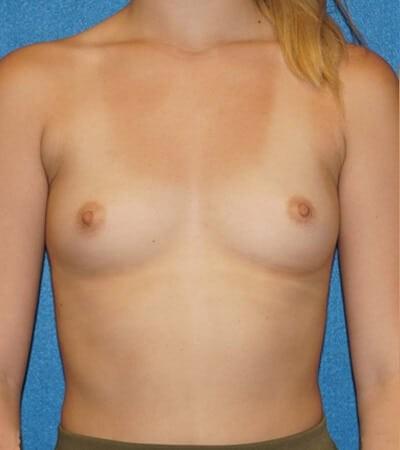
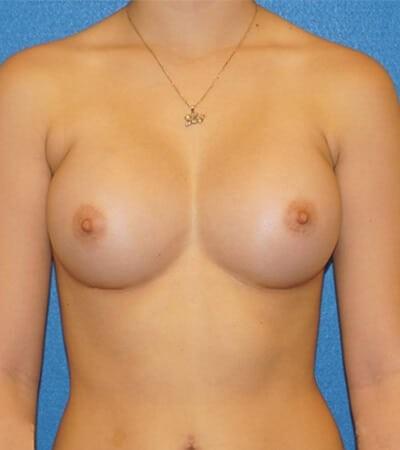
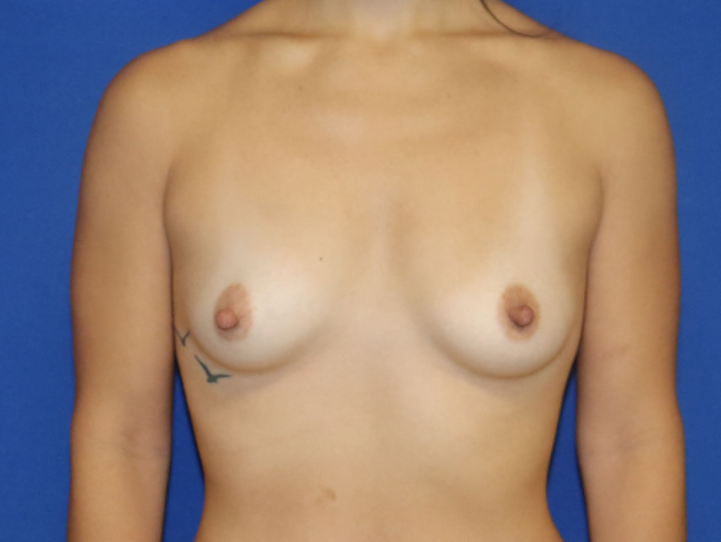
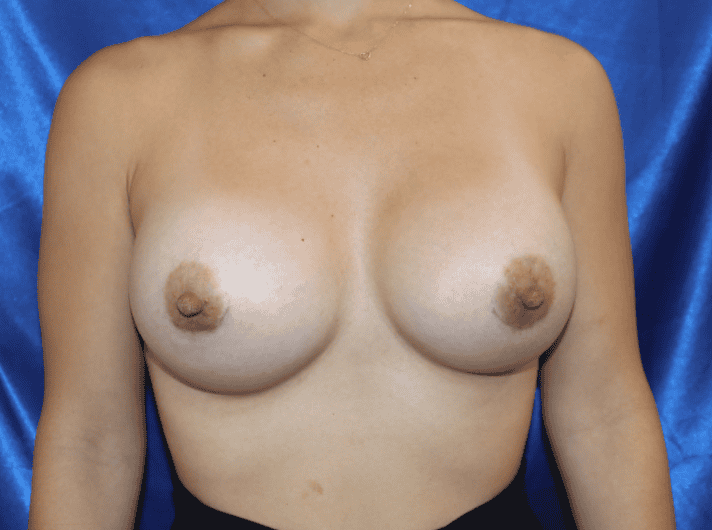
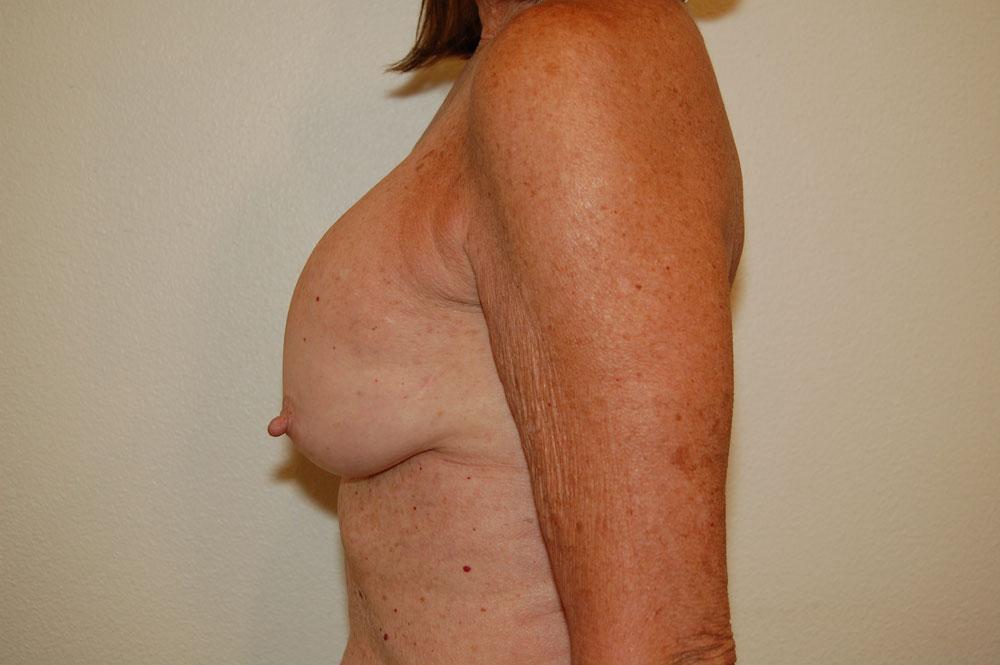
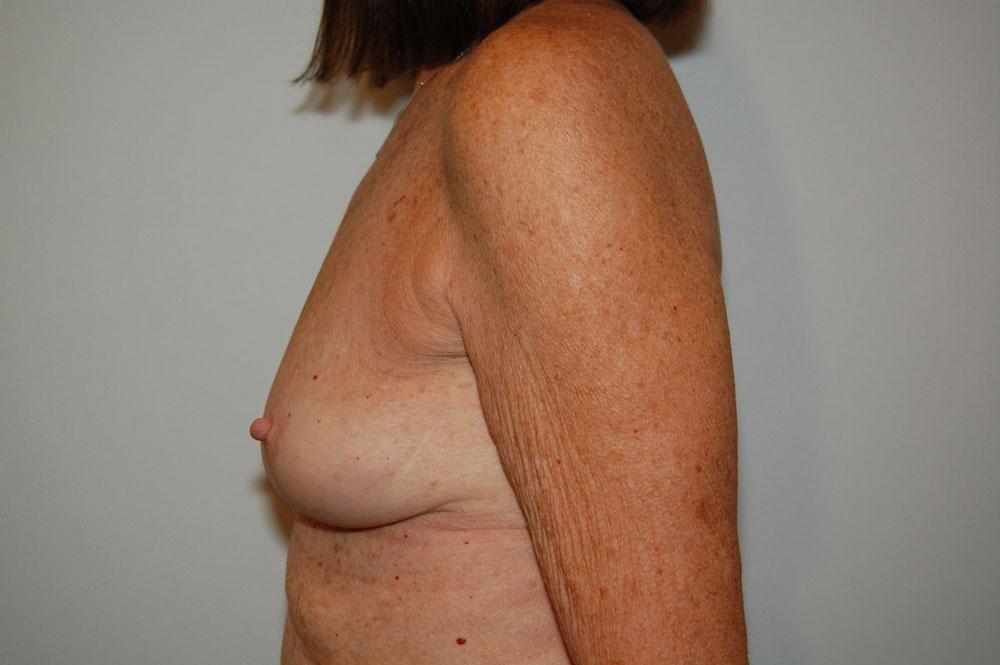
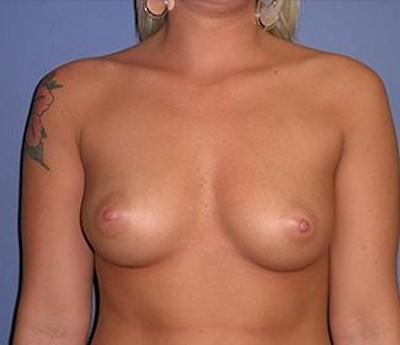
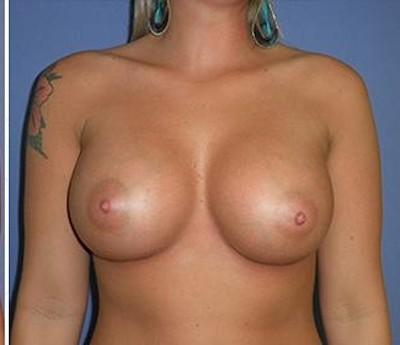
Find a board-certified breast augmentation surgeon
Get matched with verified Breast Augmentation surgeons in your area.
Recovery costs and time off work
The direct procedure cost is not the whole financial picture. Recovery imposes its own expenses:
- Time off work: 5–7 days minimum for desk-based work, 10–14 days for physically active jobs, 4–6 weeks before unrestricted exercise [6][8]
- Surgical bras and garments: $80–$200
- Prescription medications: $50–$200 depending on insurance
- Help at home: Patients cannot lift more than ~5–10 lbs for several weeks, which affects caregivers of small children
A detailed timeline is laid out in Breast Augmentation Recovery Week by Week.
Breast Augmentation — what to expect, week by week
Typical recovery 7–14 days before patients return to most normal activities.
- Day 1–7Most pain & swelling. Compression garment 23 h/day. Walk daily.
- Week 2Off prescription meds, light activity, swelling starts to drop.
- Weeks 3–4Return to desk work. Light cardio. Sleep position may relax.
- Weeks 5–8Resistance training cleared by most surgeons. Garment off.
- Months 3–6Final shape emerges, swelling fully resolved, scars mature.
General guidance only. Your surgeon's instructions take precedence.
The honest verdict
The headline numbers in most breast implant cost articles — $4,000, $6,000, $8,000 — are not wrong, but they describe a slice of the financial picture, not the whole. The realistic figures:
- All-in primary surgery in the U.S.: $8,000–$15,000
- 20-year total cost including one expected revision: $20,000–$35,000
- Insurance coverage for cosmetic augmentation: essentially zero
- Where to save responsibly: modest geographic flexibility, choice between saline and silicone if both are acceptable
- Where saving usually backfires: uncertified surgeons, non-accredited facilities, undisclosed implant brands, medical tourism without contingency planning
Breast augmentation is one of the most-performed cosmetic procedures in the United States and has a strong satisfaction record in long-term patient-reported outcome studies [1][5][7]. It is also a recurring medical expense, and patients who plan for the lifetime cost — not just the down payment — make better decisions and avoid financial surprises during what should be a recovery focused on healing.
Find a board-certified breast augmentation surgeon
Get matched with verified Breast Augmentation surgeons in your area.
This article is for educational purposes only and does not constitute medical advice. Costs cited are general U.S. ranges drawn from cited sources and individual quotes vary substantially. Patients should consult a board-certified plastic surgeon for individualized guidance and pricing.