
A Brazilian Butt Lift (BBL) is often marketed as permanent, but the biology is more nuanced. The transferred fat is the patient's own tissue — once it establishes a blood supply, it behaves like any other fat in the body. That means a BBL is technically long-lasting, but the visible result depends on how much of the grafted fat survives the first six months, and how stable the patient's weight remains over the following decade. Most peer-reviewed data places typical longevity in the 5–10+ year range, with 50–75% of the initial transferred volume retained beyond the first year [1][2][7].
Quick overview
A BBL works by harvesting fat through liposuction, processing it, and reinjecting it into the buttocks and hips. Not all of that fat survives. In the first three months, roughly 20–30% of the grafted fat is reabsorbed by the body before the surviving cells fully revascularize [5]. By the six-to-twelve-month mark, the result has stabilized — what remains at that point is, for practical purposes, the long-term result.
That long-term result is durable. Surviving fat cells integrate into the surrounding tissue and persist for years, fluctuating with body weight the same way fat elsewhere does. Published follow-up studies with five or more years of data show sustained outcomes in 60–75% of patients [7]. A subset — typically 15–25% — pursue a touch-up procedure between years two and four to restore volume lost to natural resorption, aging, or weight loss [2][7].
The honest framing: a BBL is not a one-time, set-it-and-forget-it procedure for every patient, but neither does it "disappear" after a few years. With realistic expectations, stable weight, and a properly performed surgery, the shape achieved at one year is largely the shape a patient will have a decade later.
How long does a BBL last on average?
Most board-certified plastic surgeons quote a longevity range of 5 to 10+ years, and the published data supports this [1][7]. The wide range exists because BBL longevity is not a single fixed number — it's the product of three variables stacked on top of each other:
- Initial fat survival (technique-dependent, 50–80% of grafted volume) [1][2]
- Weight stability (patient-dependent, the biggest long-term factor)
- Aging and tissue changes (universal, gradual)
Fat that survives the initial revascularization window — generally the first three to six months — is structurally identical to native fat. It doesn't have a built-in expiration date. What changes the apparent result over time is weight fluctuation (fat cells shrink and enlarge with caloric balance), gradual skin laxity, and the natural redistribution of body fat with age.
The fat survival timeline
| Time post-op | Approximate volume retained |
|---|---|
| Week 1–2 | ~100% (includes swelling) |
| Month 3 | 70–80% of grafted volume [5] |
| Month 6 | 60–75% — results stabilizing [1][5] |
| Year 1 | 50–75% — "final" baseline [1][2] |
| Year 5+ | 50–70% of original graft, weight-dependent [1][7] |
| Year 10+ | Similar to year 5 in weight-stable patients [7] |
The critical insight: the result at one year is the result that lasts. If a patient has a strong, full shape at twelve months post-op, that's the volume that's likely to persist. If significant resorption has already occurred by then, the result will not "come back."
What the research says about fat survival
Peer-reviewed analyses of autologous fat grafting to the buttocks consistently report fat retention rates between 50% and 80% at one year, with the variation explained primarily by surgical technique and patient factors [1][2][5].
Histological studies show that grafted fat goes through three phases [5]:
- Ischemic phase (days 0–4): Transferred fat cells survive on diffusion alone. Cells at the periphery of each fat parcel are more likely to survive because they're closer to surrounding vascularized tissue.
- Revascularization phase (days 4–90): New blood vessels grow into the graft. This is when most resorption occurs — cells that don't establish a blood supply die and are cleared by the body.
- Remodeling phase (months 3–12): Surviving fat integrates, stabilizes, and behaves like native adipose tissue.
This biology explains why the technique matters so much. Injecting large boluses of fat creates internal regions that can't reach a blood supply, leading to higher resorption rates. Distributing fat in small, scattered parcels across multiple tissue planes maximizes the surface-area-to-volume ratio and improves survival [2][6].
Factors that affect BBL longevity
Longevity is not random. The variables below explain why two patients with identical operations can have very different ten-year outcomes.
Surgical technique
The single largest controllable factor. Surgeons who inject fat in small aliquots across the subcutaneous layer — never deep into the gluteal muscle — see better fat survival and far lower complication rates [3][6][8]. Intramuscular injection is now broadly discouraged because it both increases fat embolism risk and tends to produce lower long-term retention due to muscle contraction expelling the graft.
Weight stability
Grafted fat cells respond to weight changes. A 20-pound weight loss after a BBL will visibly shrink the result. A 20-pound weight gain will enlarge it — often disproportionately, since hip and buttock fat cells were preferentially expanded by the procedure. Patients who maintain their post-op weight within a 5–10 pound range typically see the most durable results.
Patient metabolism and body composition
Naturally lean patients with fast metabolisms tend to retain less grafted fat over time because their bodies maintain a leaner overall set-point. Patients with moderate body fat percentages and stable weight histories tend to be the best long-term candidates [2].
Age at time of surgery
Younger patients (20s–30s) generally see slightly better initial fat survival due to better tissue vascularity, but they also have more years of natural aging ahead, which gradually affects skin elasticity and overall buttock shape.
Smoking and nicotine use
Nicotine constricts blood vessels and impairs the revascularization that grafted fat depends on. Most surgeons require complete nicotine cessation for 4–6 weeks before and after surgery. Continued smoking after the procedure measurably reduces fat survival.
BBL recovery and results timeline
Understanding the recovery arc is essential to understanding longevity, because the visible result evolves significantly during the first year.
Brazilian Butt Lift — what to expect, week by week
Typical recovery 14–21 days before patients return to most normal activities.
- Day 1–7Most pain & swelling. Compression garment 23 h/day. Walk daily.
- Week 2Off prescription meds, light activity, swelling starts to drop.
- Weeks 3–4Return to desk work. Light cardio. Sleep position may relax.
- Weeks 5–8Resistance training cleared by most surgeons. Garment off.
- Months 3–6Final shape emerges, swelling fully resolved, scars mature.
General guidance only. Your surgeon's instructions take precedence.
Weeks 1–2: Maximum swelling. The buttocks look larger than the final result will be. Sitting restrictions are strictest during this phase.
Weeks 3–6: Swelling decreases substantially. Patients can resume sitting with a BBL pillow and return to most desk-based work.
Months 2–3: Significant resorption occurs. Many patients become alarmed at this stage thinking the result is "disappearing" — this is normal biology, not failure.
Months 6–12: Result stabilizes. Final shape becomes apparent. This is the appropriate point to evaluate whether the outcome matches expectations and whether any touch-up is warranted.
Year 1+: Long-term phase. Changes from here forward are driven by weight, aging, and lifestyle rather than the surgery itself.
Is a BBL permanent?
The accurate answer: the surviving fat is permanent, but the volume can change.
Unlike buttock implants — which are a fixed silicone device — a BBL uses living tissue. That tissue persists indefinitely once it has a blood supply, but it remains responsive to the body's overall fat balance. A patient who loses substantial weight ten years after a BBL will lose volume from the buttocks proportionally. A patient who gains weight will see the result amplify.
In practical terms, this means a BBL is "permanent" in the same way that any body fat is permanent. The cells don't disappear, but the volume isn't locked in.
BBL vs. buttock implants vs. non-surgical options
| Method | Typical longevity | Reversibility | Notes |
|---|---|---|---|
| BBL (fat transfer) | 5–10+ years; surviving fat is long-term [1][7] | Difficult to fully reverse; volume responds to weight | Natural feel, requires donor fat |
| Buttock implants | 10–20 years (implant lifespan) | Removable | Higher complication and revision rates |
| Sculptra (non-surgical) | 2–3 years | Resorbs naturally | Modest volume increase only |
| Hyaluronic acid fillers | 1–2 years | Reversible | Not FDA-approved for buttock augmentation |
BBLs offer the most natural result and the longest-lasting non-implant option, but they require enough donor fat and depend heavily on surgical skill. Implants last longer as a device but carry higher long-term revision rates and a different aesthetic.
How to choose a surgeon (it directly affects how long results last)
Fat survival — and therefore longevity — is technique-dependent. The surgeon choice is not cosmetic; it determines biological outcomes.
Look for:
- Board certification by the American Board of Plastic Surgery [6]
- High BBL volume (regularly performing the procedure, not occasionally)
- Use of ultrasound guidance or strict adherence to superficial subcutaneous injection only [3][8]
- Accredited surgical facility (AAAASF, AAAHC, or hospital)
- Transparent complication and revision data
For a deeper checklist, see How to Choose a Board-Certified Plastic Surgeon.
Find a board-certified BBL surgeon
Get matched with verified BBL surgeons in your area.
Patients researching local options can compare board-certified providers in Miami, Houston, Dallas, and Atlanta — markets with the highest BBL volume in the United States.
Touch-up procedures and revision rates
A realistic discussion of longevity has to include revisions. Published data and clinical surveys suggest 15–25% of BBL patients pursue a touch-up procedure within 2–4 years [2][7]. Reasons include:
- Lower-than-expected initial fat survival
- Asymmetry that becomes apparent as swelling fully resolves
- Weight loss that reduced volume
- Desire for additional size beyond the original result
Touch-up procedures are typically less involved than the initial surgery — they often use less donor fat and have shorter recovery — but they are not free. Revision costs typically run 50–80% of the original procedure cost. See the full BBL cost breakdown for current pricing.
The role of weight, aging, and lifestyle over a decade
Ten years is a long time. Even with an excellent surgical result, the body changes. Key long-term factors:
Weight cycling is the biggest disruptor. Patients who lose and regain weight repeatedly tend to see uneven volume changes — grafted fat cells respond, but skin and supporting tissue may not snap back the same way.
Pregnancy after a BBL can alter results. Pregnancy weight changes affect the grafted fat, and abdominal wall changes can shift overall body proportions. Many surgeons advise patients to complete their families before pursuing a BBL when possible.
Aging brings gradual skin laxity and subtle redistribution of body fat. The buttocks naturally descend slightly with age regardless of any prior surgery. A BBL doesn't accelerate this, but it doesn't prevent it either.
Exercise can both help and complicate results. Glute-strengthening exercise helps maintain shape. Extreme caloric deficits or endurance training that strips body fat will reduce buttock volume.
The honest verdict
A BBL lasts longer than most marketing material suggests in one sense — the surviving fat doesn't "go away" at year five — and shorter than marketing suggests in another, because volume genuinely fluctuates with weight, and a meaningful minority of patients pursue revisions.
The realistic expectation: a well-performed BBL by a board-certified surgeon, in a patient who maintains stable weight, produces a result that is clearly visible and satisfying for 10 or more years. The shape at one year post-op is, in most cases, the shape the patient will have for the foreseeable future — gradually softened by aging, but not erased.
What undermines longevity is poor technique (which kills graft survival), weight instability, and unrealistic expectations about what fat grafting can do. None of those are inevitable, and all of them are addressable before surgery rather than after.
For a full safety review, see Is a BBL Safe? Risks and Complications Explained. For pricing context, see BBL Cost in 2026.
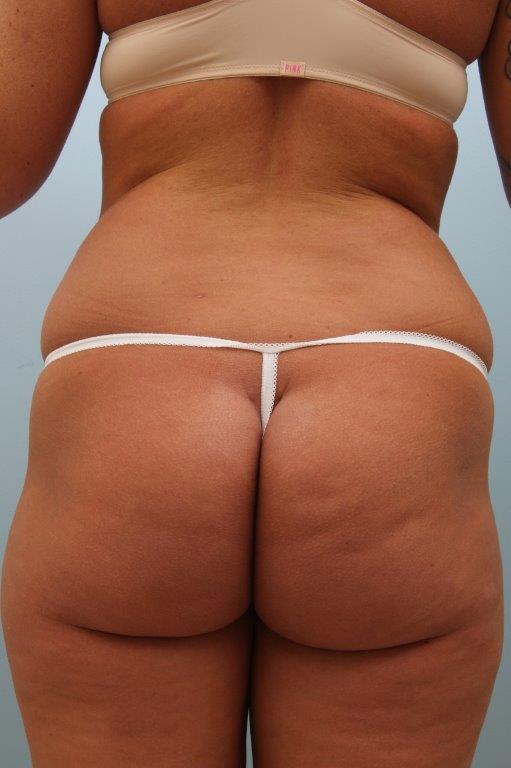
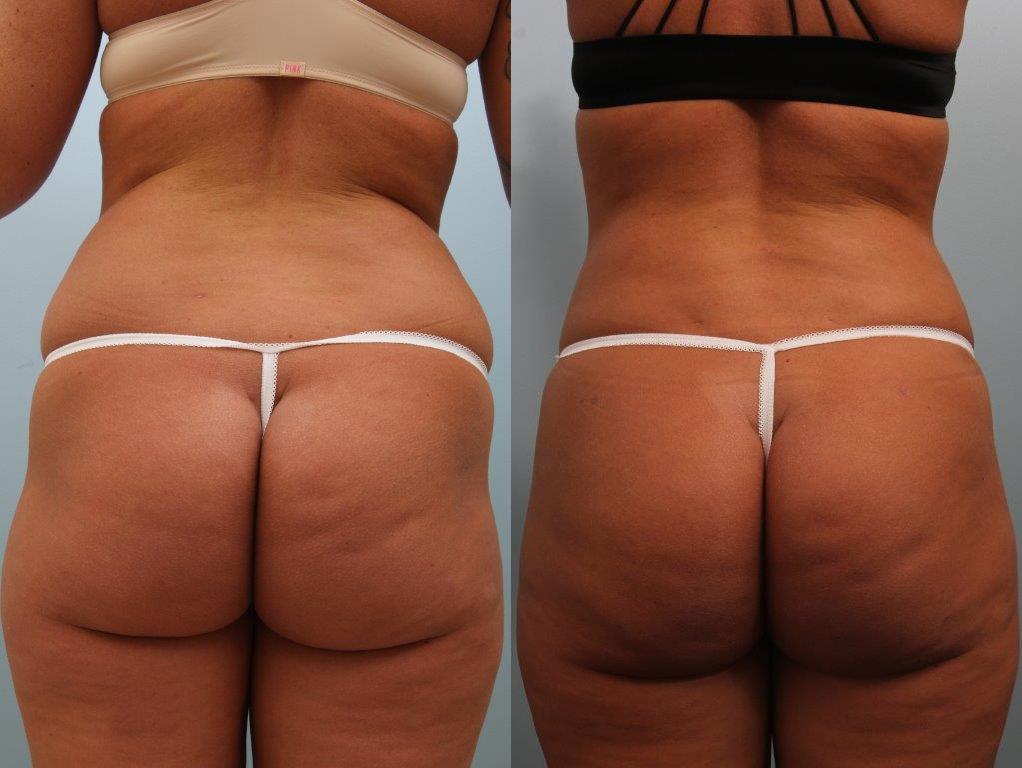
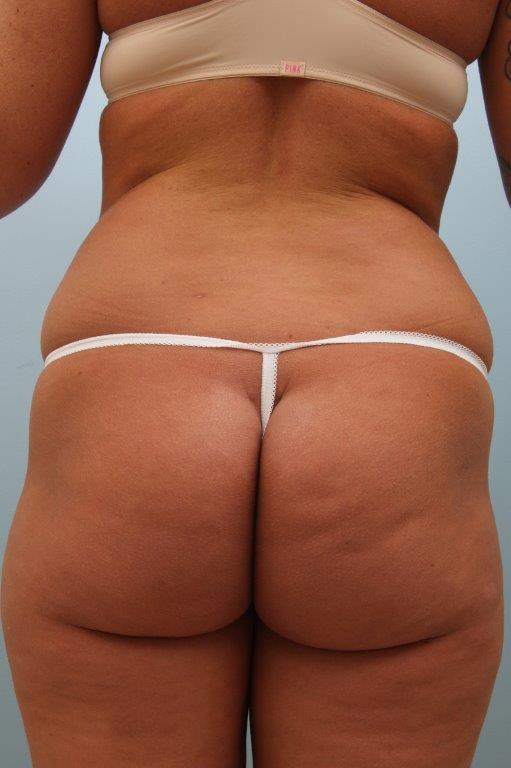
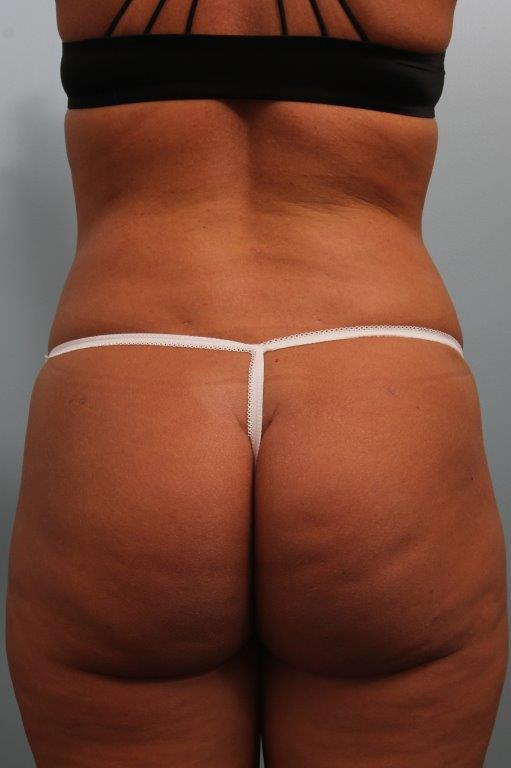
Real patient results
From verified board-certified surgeons in our directory.
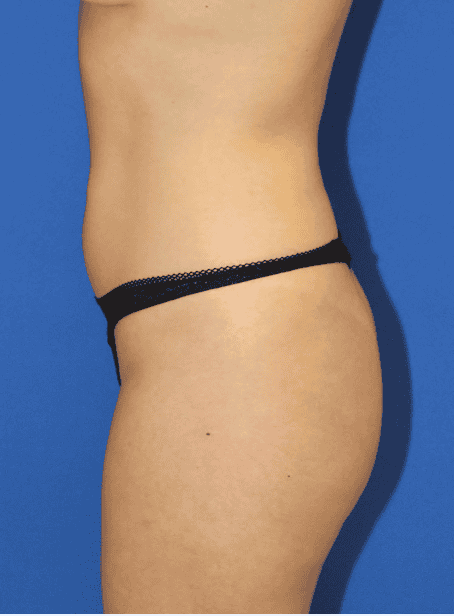
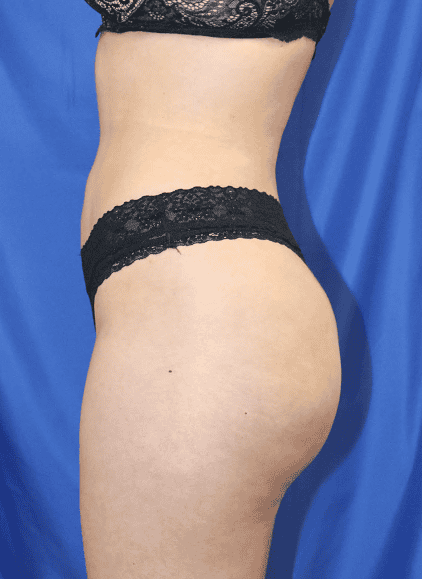
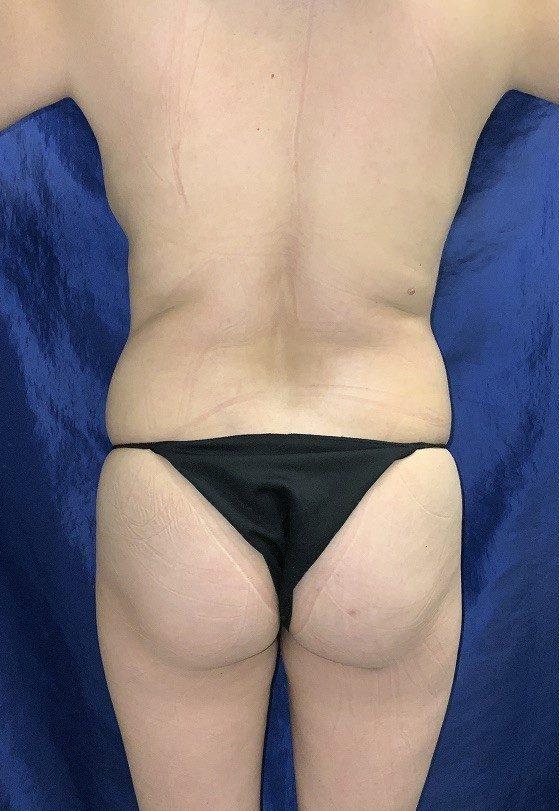
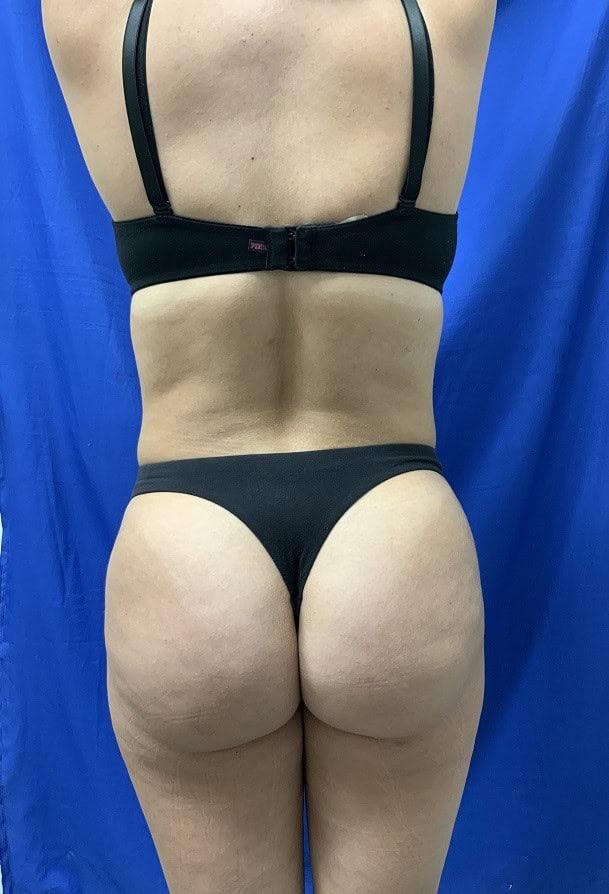
Patients in other major markets can compare credentialed surgeons in Los Angeles, New York, and Chicago.
Find a board-certified BBL surgeon
Get matched with verified BBL surgeons in your area.
This article is for educational purposes only and does not constitute medical advice. Individual results, risks, and candidacy can only be assessed by a board-certified plastic surgeon during an in-person consultation.