
Most search results treat "BBL" and "fat transfer" as interchangeable terms. They aren't — but they aren't fully separate procedures either. A Brazilian Butt Lift is a specific application of autologous fat transfer, with technique refinements aimed at gluteal shape and projection. Fat transfer as a category covers the face, breasts, hands, hips, and buttocks. The distinction matters because the risk profile, surgeon qualifications, and recovery protocol differ dramatically depending on where the fat is placed and how much is moved. This article breaks down what's actually different — clinically, financially, and in terms of safety — so the comparison stops being marketing language.
Quick overview
Fat transfer (also called fat grafting or autologous fat transfer) is the broader procedure: surgeons harvest fat from one area via liposuction, process it, and reinject it elsewhere. The technique has been used in plastic surgery for decades to restore facial volume, augment breasts, correct contour deformities, and reshape the buttocks [6].
A Brazilian Butt Lift is fat transfer to the buttocks, specifically engineered to lift, round, and project the gluteal region. The volumes involved are an order of magnitude larger than facial fat grafting — often 600 to 1,200 cc per side — which is precisely why BBL carries safety concerns that smaller fat transfers do not [3].
In short: every BBL is a fat transfer. Not every fat transfer is a BBL. The comparison that matters for most readers is BBL versus fat transfer to other areas (face, breasts, hips), or BBL versus smaller-volume gluteal fat grafting marketed under softer names like "skinny BBL" or "hybrid contouring."
What a BBL actually is
The Brazilian Butt Lift involves liposuction of donor sites — typically the abdomen, flanks, lower back, and thighs — followed by purification of the harvested fat and injection into the buttocks to add volume and improve contour. The name is misleading: there is no surgical "lift" in the traditional sense. No skin is excised. The lifting effect comes from added volume and strategic shaping of the surrounding waist and lower back through liposuction [3].
Modern BBL technique, as refined after a series of patient deaths in the mid-2010s, restricts fat placement to the subcutaneous layer — above the gluteal muscles. The American Society of Plastic Surgeons and the Multi-Society Gluteal Fat Grafting Task Force issued guidance that intramuscular injection is associated with a substantially higher risk of fatal fat embolism, and that subcutaneous-only placement is now the standard of care [3][5].
Fat retention after BBL is variable. Published data show typical long-term retention between 40% and 80%, with most resorption occurring in the first three to six months as non-vascularized fat cells die off [2][7]. Detailed retention timelines are covered in how long a BBL lasts.
What fat transfer to other areas involves
Fat transfer outside the buttocks uses the same harvest-process-inject framework but in radically smaller volumes and to different anatomic planes.
Facial fat transfer
Volumes range from 2 to 30 cc per area — cheeks, temples, tear troughs, nasolabial folds, lips. The fat is typically injected with micro-cannulas or even fine needles. Retention is generally good (50–70%) because the face is well-vascularized and the recipient sites accept small parcels of fat efficiently [6].
Breast fat transfer
Volumes of 200 to 400 cc per breast are typical. Breast fat grafting is often combined with a small implant ("hybrid breast augmentation") or used for revision of asymmetry after mastectomy. Retention sits in the 50–70% range, and the procedure does not carry the embolism risk profile of gluteal grafting because the injection planes are anatomically distinct [4].
Hip and hip-dip fat transfer
Hip fat grafting addresses lateral contour rather than projection. Volumes are smaller than a full BBL (often 150–400 cc per side), and the injection plane is subcutaneous over the iliac crest. This procedure is sometimes performed alongside a BBL to create the hourglass silhouette patients request.
Where the comparison actually matters: safety
This is the section most general SERP results skip. The risk profile of gluteal fat transfer is not the same as the risk profile of facial or breast fat transfer, and conflating them does readers a disservice.
The mechanism of catastrophic BBL injury is macroscopic fat embolism: fat injected into or through the gluteal muscles can enter the gluteal veins, travel to the heart, and lodge in the pulmonary arteries. This is a different injury from microscopic embolism (which can occur with any fat transfer) and is largely preventable by keeping the cannula above the muscle fascia [1][5].
Non-gluteal fat transfer complications are typically local and manageable: infection rates of 1–3%, fat necrosis or oil cyst formation, partial graft loss, and asymmetry requiring touch-up [6]. None of these carry the systemic risk that defines BBL safety conversations. A fuller breakdown is in is a BBL safe.
Procedure and technique side by side
Anesthesia and operating time
BBL is performed under general anesthesia and typically takes three to five hours, depending on the extent of liposuction. Facial fat transfer is often done under local anesthesia with sedation in 60–90 minutes. Breast fat transfer falls in between, usually two to three hours under general anesthesia.
Harvest volume
A BBL requires aggressive liposuction — frequently 3 to 5 liters of total aspirate to yield enough viable fat for two sides. Facial fat transfer harvests perhaps 50–100 cc total. This difference alone changes the recovery, the cost, and the surgeon skill set required.
Injection technique
BBL injection now mandates subcutaneous placement, ideally with intraoperative ultrasound to confirm the cannula tip position above the gluteal muscle [3]. Facial fat transfer uses microdroplet technique at multiple depths. Breast fat transfer fans the fat through multiple planes within the breast parenchyma and subcutaneous tissue.
Recovery: where the procedures diverge most
Brazilian Butt Lift — what to expect, week by week
Typical recovery 14–21 days before patients return to most normal activities.
- Day 1–7Most pain & swelling. Compression garment 23 h/day. Walk daily.
- Week 2Off prescription meds, light activity, swelling starts to drop.
- Weeks 3–4Return to desk work. Light cardio. Sleep position may relax.
- Weeks 5–8Resistance training cleared by most surgeons. Garment off.
- Months 3–6Final shape emerges, swelling fully resolved, scars mature.
General guidance only. Your surgeon's instructions take precedence.
BBL recovery is uniquely restrictive because pressure on the grafted fat compromises survival. Patients are instructed to avoid sitting directly on the buttocks for two to three weeks, sleep on their stomach or side, and use a BBL pillow when sitting becomes necessary. Daily function — driving, working, even using the bathroom — requires planning. The week-by-week sitting guide and the recovery wardrobe guide cover the practical logistics.
Facial fat transfer recovery is markedly easier. Bruising and swelling resolve over two to three weeks. There are no positional restrictions. Most patients return to desk work within a week.
Breast fat transfer recovery resembles a small breast augmentation: soreness for one to two weeks, restricted upper body exercise for four to six weeks, and a supportive bra. No positional restriction on sleeping.
Results and longevity
| Procedure | Typical retention | Time to final result | Revision rate |
|---|---|---|---|
| BBL | 40–80% [2][7] | 6 months | 10–20% [2] |
| Facial fat transfer | 50–70% [6] | 3–6 months | 10–25% |
| Breast fat transfer | 50–70% [4] | 6 months | 15–30% [4] |
All fat transfer procedures share a common biology: the fat that survives the first six months is generally permanent, behaving like any other fat in the body. It will grow with weight gain and shrink with weight loss. Patients who lose significant weight after a BBL often lose buttock projection along with everything else [2][7].
BBL results are also subject to age- and gravity-related changes over the longer term. Skin laxity that develops in the gluteal region a decade after surgery cannot be corrected by adding more fat alone and may require a surgical buttock lift with skin excision — a separate procedure entirely.
Cost comparison
BBL pricing reflects the operating time, the volume of liposuction performed, and the increased anesthesia and facility fees associated with a longer case. National averages place BBL between roughly $8,000 and $20,000 all-in, with major-market surgeons in Miami, Los Angeles, and New York often pricing at the upper end of that range. A full breakdown is on the cost of BBL page and in the complete price breakdown article.
Fat transfer to other areas costs less in most markets:
- Facial fat transfer: $3,500–$8,000
- Breast fat transfer: $6,000–$12,000 (more if combined with implants)
- Hip-only fat grafting: $5,000–$10,000
The price differential is not arbitrary — it reflects the technical complexity, OR time, and the heightened liability insurance that gluteal fat grafting carries.
Who is a good candidate for each
BBL candidacy
A realistic BBL candidate has:
- Sufficient donor fat (typically a BMI of 23–30; very thin patients often lack enough harvestable fat for meaningful projection)
- Stable weight for at least six months
- No uncontrolled diabetes, clotting disorders, or active smoking history within the previous month
- Capacity to take two to three weeks off normal activity and avoid sitting directly on the buttocks
- Realistic expectations about retention and the possibility of a touch-up
Fat transfer (non-gluteal) candidacy
Thresholds are looser. Even thin patients typically have enough donor fat for facial or modest breast augmentation. Smokers and patients with milder comorbidities can often proceed after risk discussion. Recovery is short enough that work and family obligations are rarely a barrier.
Why BBL popularity is shifting
BBL procedure volume rose sharply through the late 2010s and peaked around 2021–2022. Several factors are pulling demand in the other direction now:
- Public awareness of safety history. The mortality data, even with technique reforms, has reached mainstream news cycles. Patients are asking harder questions.
- Recovery cost. Two to three weeks of restricted sitting is a real economic and lifestyle burden that many patients reconsider once they understand it.
- Aesthetic preference shift. The exaggerated proportions that drove early BBL demand have softened in cultural relevance, with many patients now requesting modest "hybrid" results that combine smaller-volume gluteal grafting with hip and waist contouring.
- Rise of non-surgical alternatives. Hyaluronic acid–based biostimulators and other injectables, though not equivalent in result, are pulling some demand from candidates who want shape without surgery.
This does not make BBL obsolete — it remains the only autologous option for significant gluteal volume change — but the procedure is being chosen more selectively than it was five years ago.
How to choose a surgeon
For any fat transfer, certification by the American Board of Plastic Surgery is the baseline credential [8]. For a BBL specifically, additional criteria apply:
- Documented use of intraoperative ultrasound guidance
- Operating in an accredited surgical facility (AAAASF, AAAHC, or hospital)
- Transparent discussion of complication rates and the surgeon's personal revision rate
- Volume of BBL cases per year — high enough to maintain technique, not so high that case-by-case attention suffers
- Before-and-after documentation of patients with body types similar to the prospective patient's
Real patient results
From verified board-certified surgeons in our directory.
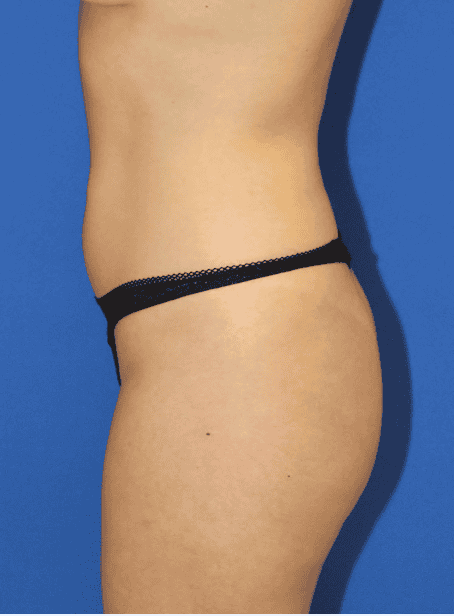
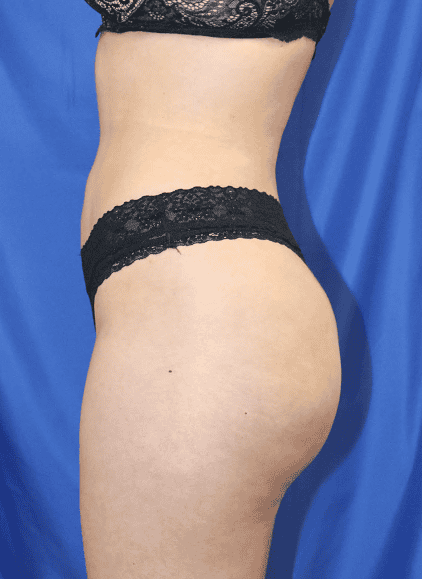
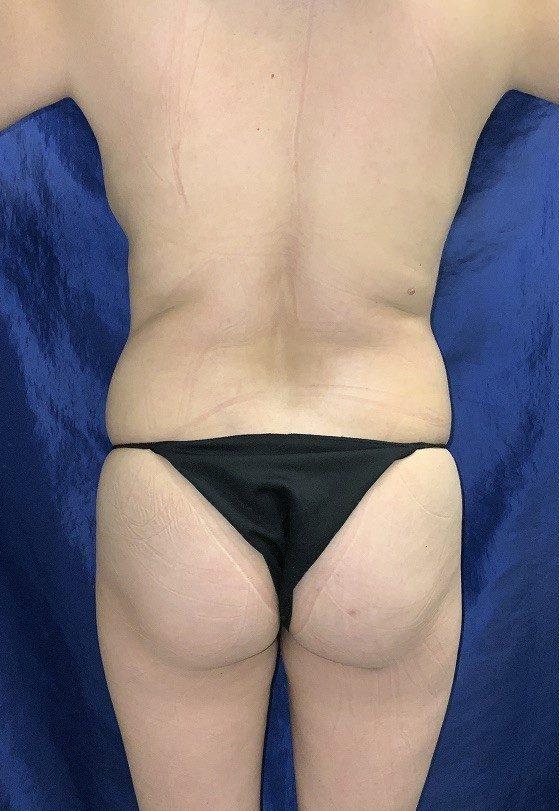
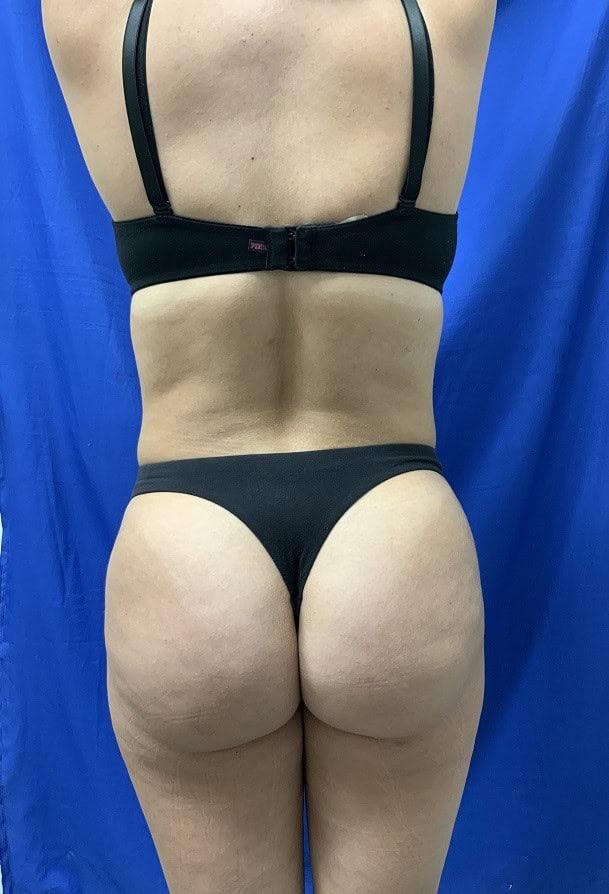
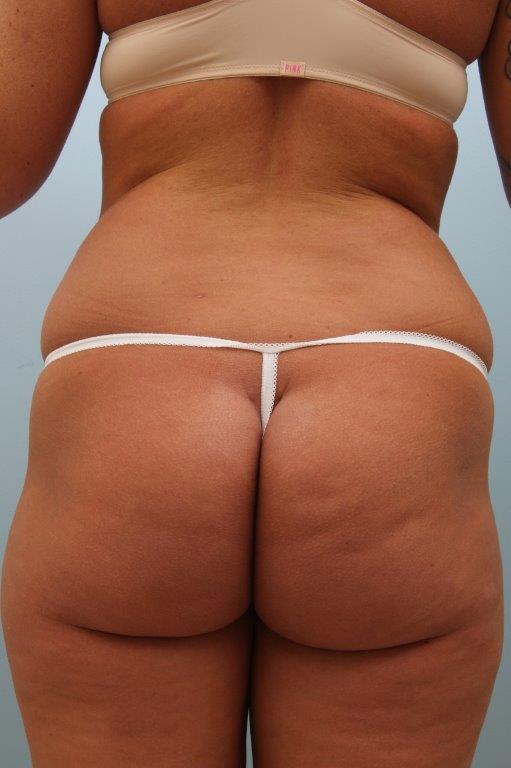
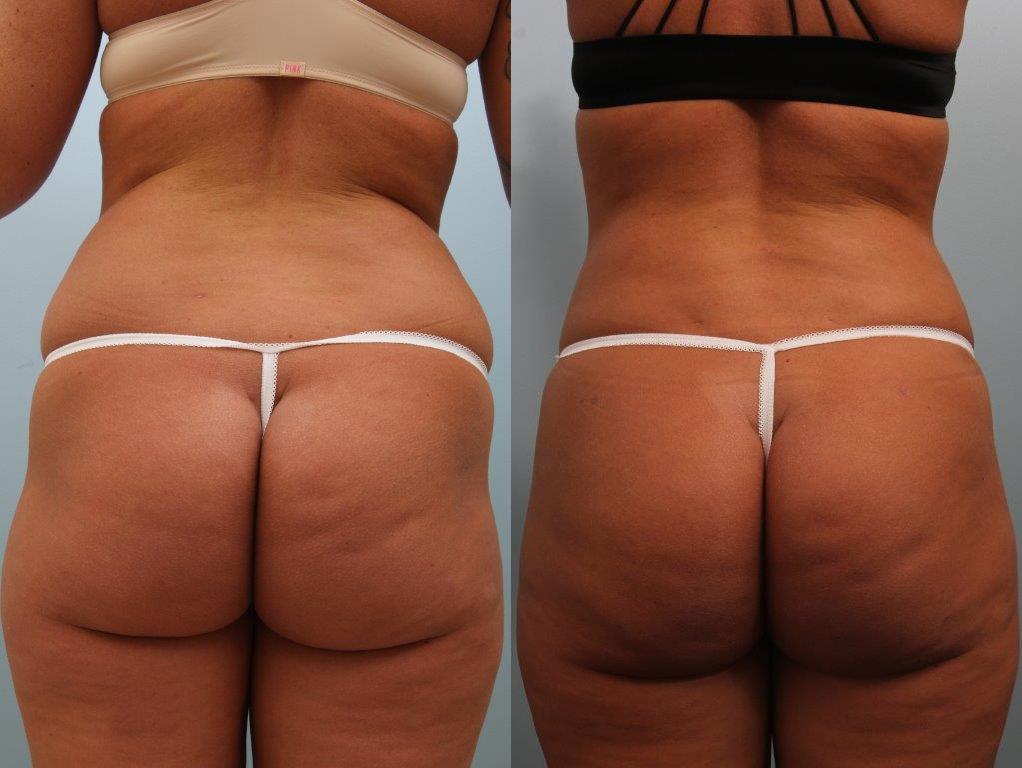
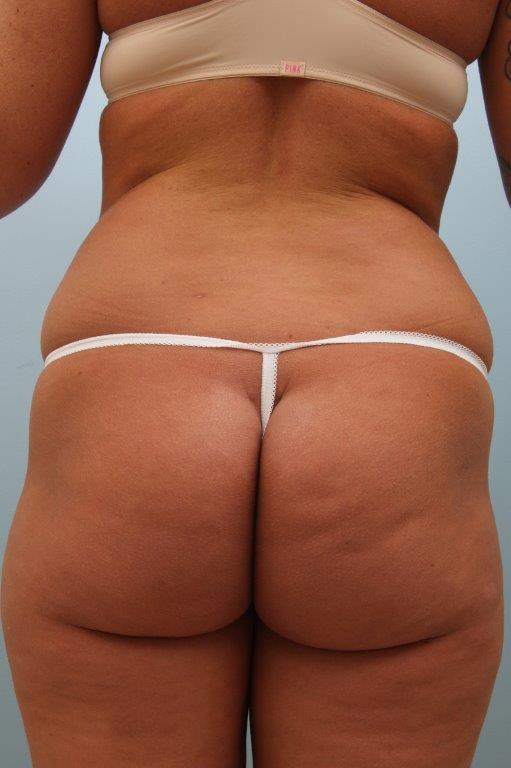
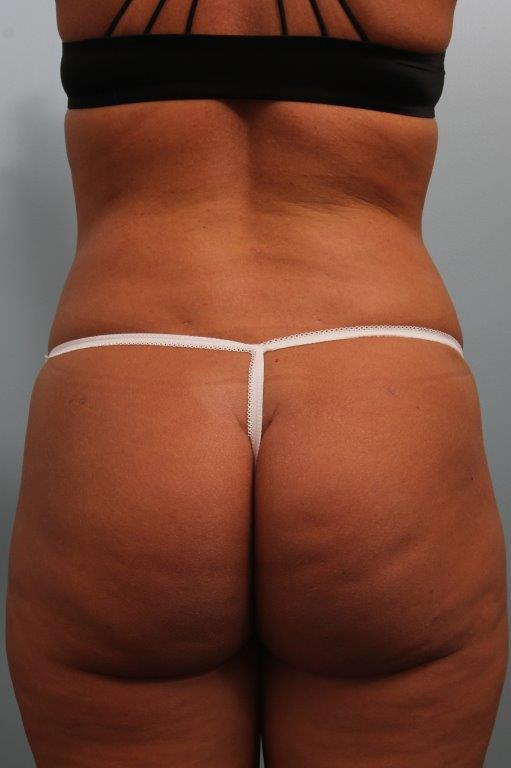
City matters too. Practices in Miami, Houston, Atlanta, and Dallas perform very high BBL volumes, which can mean both exceptional expertise and, at some clinics, the high-volume model that has driven safety concerns. Vetting is more important than geography.
Find a board-certified BBL surgeon
Get matched with verified BBL surgeons in your area.
The honest verdict
BBL and fat transfer are not interchangeable, and the marketing language that treats them as the same procedure obscures real clinical differences. A patient choosing facial fat transfer is making a low-risk decision with manageable recovery. A patient choosing a BBL is making a decision that carries the highest mortality profile of any elective cosmetic procedure — even with modern technique reforms — and a recovery that genuinely disrupts daily life for several weeks.
This does not mean BBL is the wrong choice. For the right candidate, performed by a properly trained surgeon using subcutaneous-only technique with ultrasound guidance in an accredited facility, the procedure delivers a result no other operation can match. But the decision should be made with the actual risk numbers in mind, not the softened version that often appears in consultations.
Fat transfer to the face, breasts, or hips is a different conversation entirely, with a different risk-benefit calculus. Lumping them together under one search query is convenient for marketing but unhelpful for decision-making.
Find a board-certified BBL surgeon
Get matched with verified BBL surgeons in your area.
This article is for educational purposes only and does not constitute medical advice. Any decision about surgery should be made in consultation with a board-certified plastic surgeon who has examined the patient in person.