
Most patients walk into a breast augmentation consultation thinking in cup sizes. Surgeons think in millimeters, cubic centimeters, and tissue elasticity. The gap between those two languages is where the majority of size-related dissatisfaction — and the 5–15% of revisions performed for sizing alone — originates [8]. Choosing breast implant size is not a styling decision. It is an anatomical decision constrained by chest wall width, skin envelope, soft-tissue coverage, and the projection the existing breast can support without long-term distortion. This guide explains how that decision is actually made, in the order it should be made.
Quick overview
The correct implant size is the largest implant that fits the patient's anatomy without exceeding it. That sentence does most of the work. Implants that exceed chest wall width migrate laterally, thin overlying tissue, and accelerate bottoming out. Implants that are too narrow look disconnected from the chest. Implants matched within 1–2 cm of the measured breast base diameter produce the most stable long-term results [2].
Volume — the cubic centimeter number patients fixate on — is the output of those measurements, not the input. A patient with a 12 cm breast base and tight skin may max out at 275 cc. A patient with a 14 cm base and stretched tissue may comfortably hold 500 cc. The same "cup size" goal produces wildly different implant orders depending on the chest underneath it.
Cup size itself is unreliable. Bra cup sizing varies between manufacturers, drifts with weight changes, and does not correspond to any standardized volume. Surgeons do not order implants in cup sizes for a reason.
The measurements that actually determine size
Before any sizer or 3D simulation, a competent surgeon takes a set of measurements at the initial consultation. These define the envelope the implant has to live inside.
Breast base width (BBW) is measured horizontally across the existing breast footprint. This is the single most important number. Implant width should fall within 1–2 cm of this measurement to avoid lateral displacement and animation deformity [2][4].
Chest wall width typically ranges from 12 to 14 cm in adult women [7]. A narrower chest cannot accept a wide implant regardless of how much volume the patient wants. Forcing a wide implant onto a narrow chest is the most common preventable cause of revision.
Sternal notch to nipple distance and nipple to inframammary fold (N–IMF) distance describe vertical proportions. Tight N–IMF distances limit how much projection the lower pole can accommodate before the fold drops.
Skin envelope elasticity is assessed by pinch test at the upper pole and stretch test at the lower pole. Tight, thin skin tolerates less volume. Loose, stretched skin (post-pregnancy, post-weight-loss) tolerates more but provides less support, raising the risk of stretch deformity over time [7].
Soft-tissue pinch thickness at the upper pole determines whether an implant will be palpable or visible through the skin. A pinch below 2 cm generally pushes the conversation toward submuscular placement and away from high-projection implants.
Volume: what cc actually means
The average breast augmentation in the United States uses an implant between 300 and 500 cc, with the full clinically used range spanning roughly 200 to 800 cc [1]. As a rough orientation, approximately 150–200 cc of well-positioned implant volume produces about one cup size of increase, though this varies significantly with base width and starting tissue.
Volume is constrained by two ceilings. The first is anatomical: skin envelope and base width set a maximum that cannot be safely exceeded. The second is biomechanical: heavier implants accelerate tissue thinning, stretch the lower pole, and increase the lifetime probability of revision surgery for bottoming out or rippling [4].
Patients commonly arrive with a specific cc number in mind, often borrowed from a friend or social media. That number is almost always meaningless without the corresponding chest measurements. A 450 cc implant in a 5'2" patient with a 12 cm base looks and behaves nothing like a 450 cc implant in a 5'9" patient with a 14 cm base.
Profile and projection
Once width is fixed by anatomy, the remaining volume has to go somewhere — and that direction is called projection, or profile. FDA-approved implants come in four standard projection categories: low, moderate, high, and ultra-high [5].
- Low profile spreads volume across a wider base with minimal forward projection. Suited to broad chests and patients who want a flat, natural silhouette.
- Moderate profile is the default for most natural-result requests and the most commonly selected category.
- High profile narrows the base and pushes volume forward. Useful for narrow chests where width is limited but the patient wants meaningful volume.
- Ultra-high profile maximizes forward projection. Produces the most dramatic upper-pole fullness but places the highest mechanical load on the lower pole over time.
Projection is selected based on the gap between the patient's current projection and the projection she wants — not on volume alone [7]. Two patients with identical 350 cc implants in moderate vs high profile produce visibly different breasts on the same body.
Body frame and proportion
Implant size is read by the eye in relation to the rest of the body, not in isolation. Frame variables that matter:
Height and torso length. Taller patients with longer torsos visually absorb more volume. A 400 cc implant on a 5'10" frame reads as moderate; the same implant on a 5'1" frame reads as substantial.
Shoulder and hip width. Surgeons often aim for visual balance with shoulder width above and hip width below. Patients with broader shoulders and hips tolerate — and often need — more volume to look proportional.
Existing breast tissue. A patient starting with a B cup and adding a 300 cc implant ends in a different place than a patient starting with an A cup adding the same implant. Starting volume is part of the equation, not a footnote to it.
Activity level and lifestyle. Runners, CrossFit athletes, yoga practitioners, and women in physically demanding professions consistently report higher satisfaction at the conservative end of their anatomical range. Larger implants restrict movement, change running mechanics, and create persistent discomfort during prone activities. This is rarely discussed at consultation and deserves direct conversation.
For cost context across frame sizes and metro areas, see the cost of breast augmentation and the lifetime price breakdown, which covers replacement and revision economics most patients underestimate at the first surgery.
Sizers, 3D imaging, and the try-on process
The gap between what a patient pictures and what surgery produces is the largest single source of revision requests. Two tools narrow that gap.
External sizers are silicone or gel-filled volume samples placed inside a non-padded bra during consultation. The patient wears a fitted white t-shirt over the bra and views the result in a full-length mirror, ideally from multiple angles. Sizers underestimate final result by roughly 10–15% because they sit on top of, not inside, the breast — but they reliably communicate relative differences between 300, 350, 400, and 450 cc on the patient's own frame.
3D imaging systems (Vectra, Crisalix, and similar) photograph the patient in three dimensions and overlay simulated implants. Used properly, they reduce the discrepancy between patient expectation and surgical outcome by 40–50% [6]. They do not predict final result with millimeter accuracy — soft tissue behavior is too variable — but they correct the most common patient misconceptions about volume.
Neither tool replaces measurements. They translate measurements into something the patient can see.
Long-term consequences of going larger
Oversizing is the single most predictable driver of revision surgery. Implants that exceed chest wall width by more than 1–2 cm correlate with higher rates of animation deformity, bottoming out, lateral malposition, and capsular contracture [4]. Implant malposition occurs in 5–10% of all cases and the rate climbs sharply when anatomy is exceeded [4].
Well-matched implants — width within tolerance, volume within skin envelope capacity, projection appropriate for tissue thickness — show approximately 85% positional stability at 10-year follow-up [4]. Mismatched implants do not. The patient who chooses 100 cc more than her anatomy supports is statistically more likely to need a revision within 7–10 years, and that revision is more complex and more expensive than the original surgery.
Size choice also affects future mammography interpretation, breast self-examination, and the breast's response to weight changes and pregnancy [8]. Larger implants thin overlying tissue faster, making subsequent implants more difficult to conceal.
The choice between going slightly conservative and slightly aggressive is not symmetric. Going slightly conservative produces a satisfied patient with stable long-term anatomy. Going slightly aggressive produces a satisfied patient at year one and a revision candidate at year seven.
Revision data and size dissatisfaction
Revision for size dissatisfaction runs 5–15% across published series [8]. Counterintuitively, undersizing is the more common reason for revision than oversizing — patients more often regret going smaller than larger [8]. This pattern argues against the common surgeon advice to "start conservative and go larger later." Patients who arrive wanting moderate-to-full results and are talked down to conservative volumes often return within two years asking for an exchange.
The practical takeaway: the goal is not the smallest implant the patient will accept. It is the implant that matches anatomy and genuine aesthetic preference, chosen once, with full understanding of the tradeoffs.
Choosing the surgeon who will choose the size
Most size errors are surgeon errors disguised as patient errors. A surgeon who orders implants based on a cc number the patient mentions, without taking measurements, performing a pinch test, and presenting a width-constrained range, is not practicing standard-of-care breast augmentation. Patient satisfaction rates exceed 90% when implant selection follows anatomical assessment [3]. They fall sharply when it does not.
For guidance on credentials and what to verify, the board-certified plastic surgeon checklist covers the specific verifications worth doing before the first consultation. Most patients researching size also benefit from reading the silicone vs saline comparison before locking in implant type, because shell material affects how a given volume reads on the chest.
Find a board-certified breast augmentation surgeon
Get matched with verified Breast Augmentation surgeons in your area.
For city-specific surgeon lists, see breast augmentation specialists in Miami, Los Angeles, New York, and Dallas.
Psychological readiness and decision timing
Size satisfaction correlates with decision stability over time. Patients who arrive at consultation with a clear, internally-generated aesthetic goal — developed over months, not weeks — report higher satisfaction than patients making the decision in response to a recent life event, relationship change, or social media exposure.
Responsible surgeons screen for body dysmorphic patterns: patients who fixate on small anatomical details, report dissatisfaction with prior cosmetic procedures regardless of outcome, or describe surgery as a fix for non-anatomical problems. These patients are not better served by larger implants; they are often not well served by surgery at all in that moment.
A decision worth making is one that survives a six-month delay. Patients uncertain about size between two adjacent volumes are best served by waiting, not by splitting the difference.
Recovery considerations by size
Larger implants produce longer and more uncomfortable early recovery. Pectoral muscle dissection for submuscular placement scales with implant width. Patients receiving implants near the top of their anatomical range typically report more intense first-week pain, longer return to upper-body exercise, and a longer settling period before final shape is visible.
For a detailed timeline, see the breast augmentation recovery week-by-week guide. Final implant position generally stabilizes between 3 and 6 months post-operatively, and size assessment before that point is unreliable.
Breast Augmentation — what to expect, week by week
Typical recovery 7–14 days before patients return to most normal activities.
- Day 1–7Most pain & swelling. Compression garment 23 h/day. Walk daily.
- Week 2Off prescription meds, light activity, swelling starts to drop.
- Weeks 3–4Return to desk work. Light cardio. Sleep position may relax.
- Weeks 5–8Resistance training cleared by most surgeons. Garment off.
- Months 3–6Final shape emerges, swelling fully resolved, scars mature.
General guidance only. Your surgeon's instructions take precedence.
The honest verdict
Choosing breast implant size is a constrained optimization problem, not a preference. The constraints — chest wall width, breast base diameter, skin elasticity, soft-tissue thickness, N–IMF distance — are measurable and largely fixed. Within those constraints, the patient's aesthetic goal selects the best implant from a narrow range, not from a catalog.
The patients who report the highest long-term satisfaction share three patterns: they chose a surgeon who measured before recommending; they used sizers and 3D imaging honestly; and they selected at the upper end of their anatomical range rather than the lower end, because undersizing drives more revision than oversizing. The patients who report regret share the inverse pattern.
Cup size is not the variable that matters. Width, projection, and tissue tolerance are. A surgeon who runs the consultation in that order is the right surgeon.
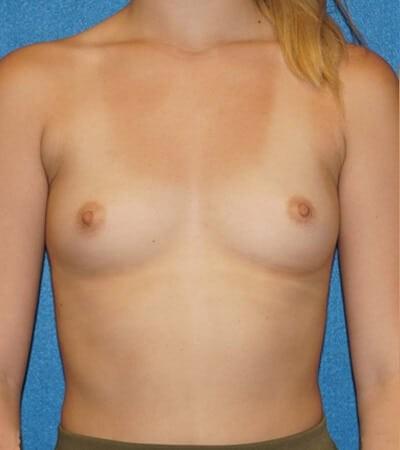
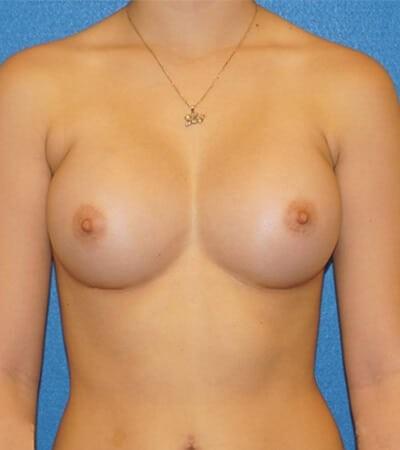
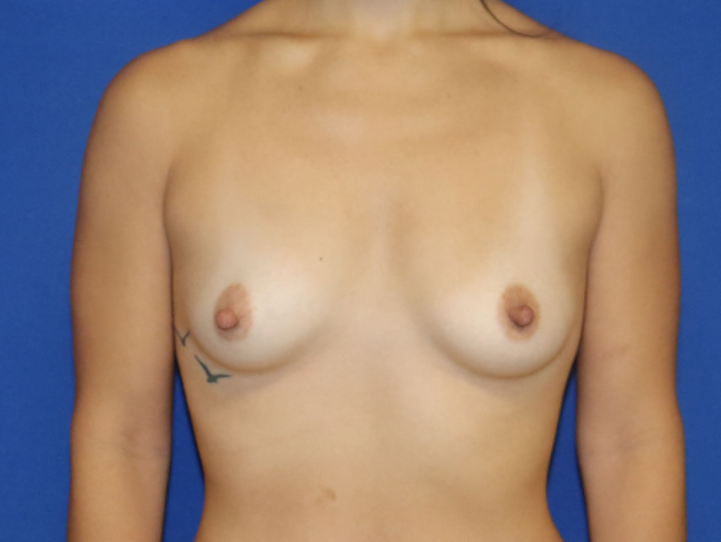
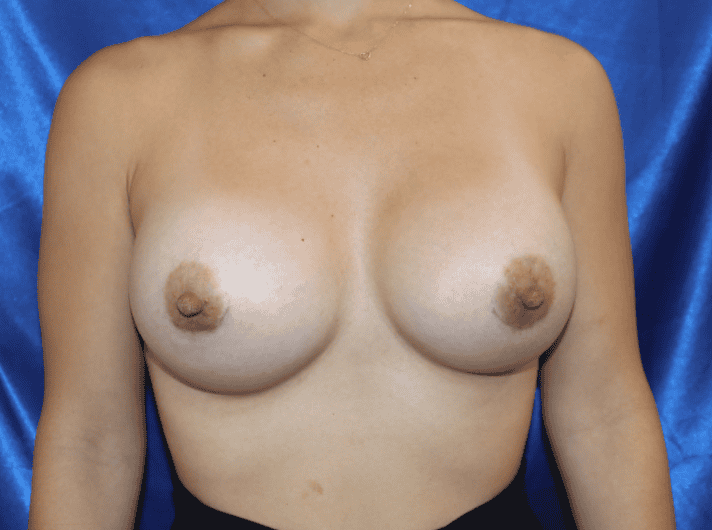
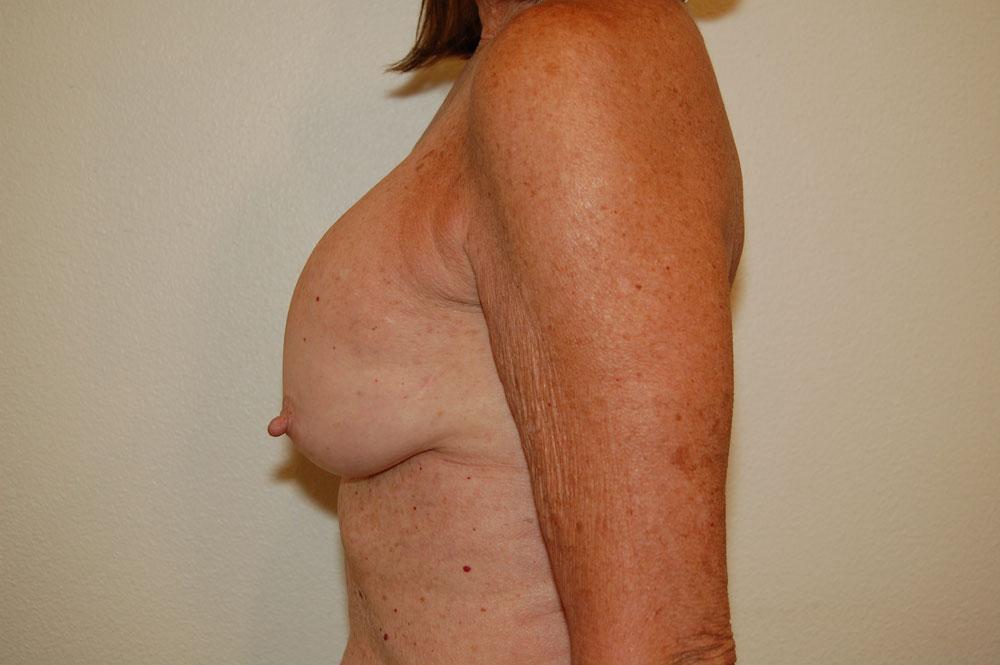
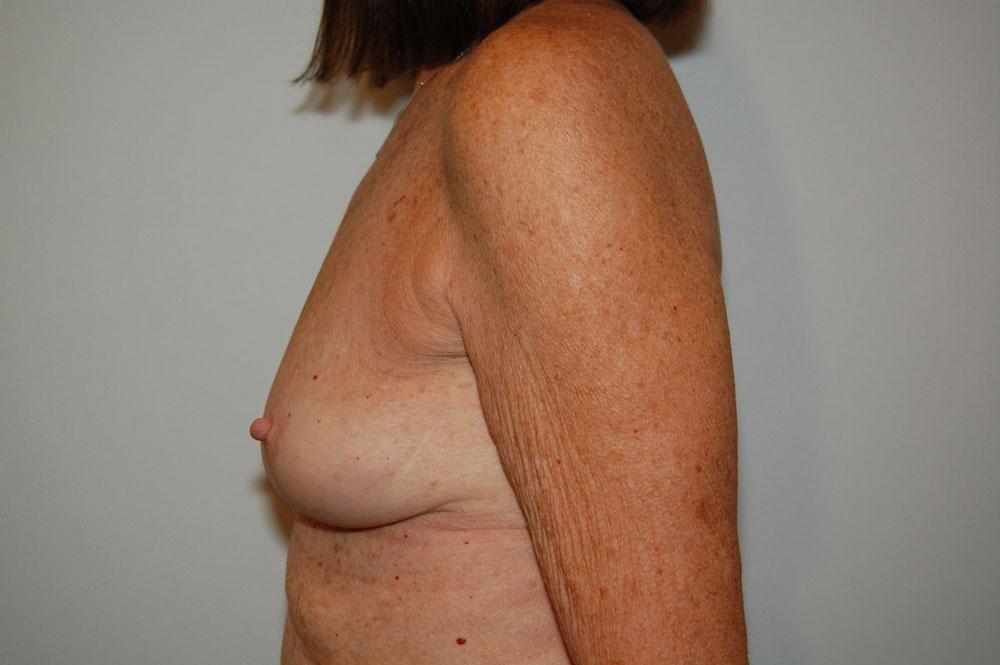
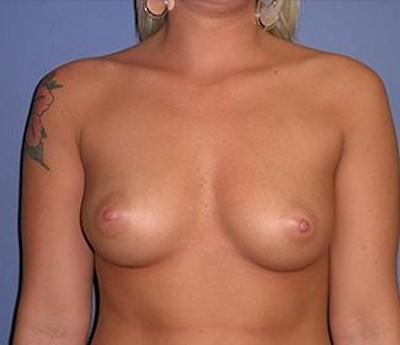
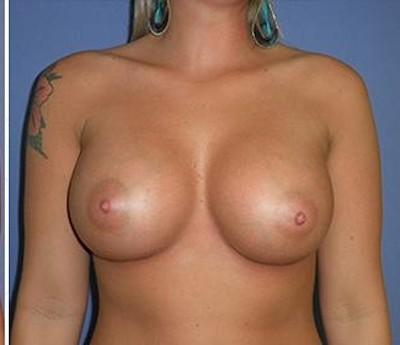
Real patient results
From verified board-certified surgeons in our directory.
Find a board-certified breast augmentation surgeon
Get matched with verified Breast Augmentation surgeons in your area.
This article is educational and does not constitute medical advice. Implant selection requires in-person evaluation by a board-certified plastic surgeon who can assess individual anatomy, tissue characteristics, and aesthetic goals. Outcomes vary by patient and surgeon.