
Most patients arrive at the rhinoplasty consultation already convinced one technique is superior. Online forums declare open rhinoplasty the "gold standard." Other sources insist closed rhinoplasty leaves no scar and heals twice as fast. Both claims oversimplify a decision that experienced rhinoplasty surgeons make based on specific anatomy, surgical goals, and revision likelihood — not blanket preference. This guide explains how the two approaches actually differ in visualization, healing, complication profile, and long-term stability, and provides the decision framework used to match technique to patient.
Quick overview
Open rhinoplasty (also called external rhinoplasty) uses a small incision across the columella — the strip of skin between the nostrils — which allows the surgeon to lift the skin off the nasal framework and work under direct vision. Closed rhinoplasty (endonasal) places all incisions inside the nostrils, with no external cut. The cartilage and bone work performed underneath can be identical; what changes is how the surgeon accesses it.
In the published literature, open rhinoplasty offers superior visualization of tip structures, more precise graft placement, and is the dominant technique for revision cases and complex deformities [1][5]. Closed rhinoplasty produces less postoperative edema, faster swelling resolution, and avoids any external scar [1][3]. Complication rates differ modestly — open approaches run 8–12%, closed approaches 5–8%, primarily driven by higher columellar numbness rates in open surgery [2].
Neither technique is universally better. The right answer depends on what needs to be changed inside the nose and how experienced the surgeon is with each approach.
What open rhinoplasty actually involves
The defining feature of open rhinoplasty is a transcolumellar incision — typically a small inverted-V or stair-step cut, 4–6 mm wide, across the narrowest part of the columella [5]. This connects to incisions inside both nostrils, and the skin envelope of the nose is then lifted upward like opening the hood of a car. The lower lateral cartilages, septum, upper lateral cartilages, and nasal bones become fully visible.
This exposure matters when the surgical plan involves:
- Significant tip reshaping, rotation, or projection changes
- Cartilage grafts that must be precisely sutured into position (columellar struts, tip grafts, spreader grafts, alar batten grafts)
- Correction of asymmetry between the two sides of the nose
- Revision rhinoplasty, where scar tissue distorts normal landmarks
- Cleft lip rhinoplasty or post-traumatic reconstruction [7]
Operative time runs 15–30 minutes longer than closed rhinoplasty on average, primarily from incision closure and the extra dissection time [1]. The transcolumellar scar heals to a thin line that becomes imperceptible in roughly 90–95% of patients with good wound care, though 5–10% retain a visibly noticeable scar at one year [6].
What closed rhinoplasty actually involves
Closed rhinoplasty places every incision inside the nostril — typically intercartilaginous (between the upper and lower lateral cartilages) and marginal incisions along the rim of the lower lateral cartilages. The surgeon works through these endonasal openings without lifting the external skin off the framework.
Visualization is more limited. The surgeon palpates and manipulates cartilage through narrow corridors, often delivering segments of cartilage out through the nostril, reshaping them, and replacing them. This demands a different skill set: spatial reasoning, tactile precision, and a mental three-dimensional model of structures that are only partly visible at any moment [5].
The closed approach is well-suited to:
- Dorsal hump reduction in a nose that is otherwise symmetric
- Minor tip refinement without major projection changes
- Patients with thin skin where postoperative edema would be especially visible
- Primary (first-time) rhinoplasty in straightforward anatomy
- Patients who place high value on avoiding any external incision [4][7]
Because the skin envelope is not lifted off the framework, blood supply disruption is reduced, lymphatic channels remain more intact, and postoperative swelling resolves measurably faster — typically 3–4 weeks for the bulk of edema versus 6–8 weeks with the open approach [3].
Side-by-side: how the two techniques compare
Visualization and precision
Open rhinoplasty provides direct, binocular visualization of the entire nasal framework. For complex tip work — where 1–2 mm of cartilage trimming or suture placement changes the visible result — this matters. Closed rhinoplasty requires the surgeon to work partly by feel, which is achievable at expert level but carries a steeper learning curve [5].
Scarring
Closed rhinoplasty produces no external scar. Open rhinoplasty produces a columellar scar that is imperceptible in most patients but visible in a minority. At one-year follow-up, roughly 5–10% of open rhinoplasty patients report a noticeable columellar scar, compared to under 1% of closed rhinoplasty patients [6].
Swelling and recovery
This is the most clinically meaningful day-to-day difference. Closed rhinoplasty patients typically return to non-strenuous work or social activity in 1–2 weeks. Open rhinoplasty patients average 2–3 weeks for similar recovery [3]. Final refinement of tip definition — the last 10–20% of swelling — takes 6–8 weeks in closed cases and can extend to 12 months or longer in open cases, particularly in thick-skinned patients [1][3].
Complications
Published complication rates: open rhinoplasty 8–12%, closed rhinoplasty 5–8% [2]. The largest single difference is columellar numbness, which affects 15–20% of open rhinoplasty patients (usually temporary, resolving over 6–12 months) versus 2–5% of closed cases [2]. Infection, hematoma, and asymmetry rates are similar.
Long-term stability
At 5-year follow-up, dorsal height maintenance and overall structural stability are comparable between techniques [8]. Cartilage graft resorption rates run 10–15% regardless of approach. Tip projection drift averages 2–3 mm in open rhinoplasty and 3–5 mm in closed — a small advantage to open for cases where precise tip projection is the primary goal [8].
Revision rates
Overall revision rates are similar at 10–15%, but the breakdown differs. Revision for inadequate correction runs 8–10% in open cases and 12–15% in closed cases — reflecting the closed approach's limitations in complex work [8]. Revision for scar-related issues only occurs in open rhinoplasty.
The decision framework surgeons actually use
In practice, the choice is not made by patient preference alone. It follows an anatomy-driven logic. The questions a surgeon works through during consultation:
1. Is this a revision case?
If yes, open rhinoplasty is the default. Scar tissue from prior surgery distorts landmarks, and operating by feel through that scar is unreliable. The Aesthetic Surgery Journal and Plastic and Reconstructive Surgery literature consistently recommend open approach for revisions [1][7].
2. How extensive is the tip work?
Major tip rotation, deprojection or projection of more than 2–3 mm, correction of significant tip asymmetry, or placement of complex grafts (columellar strut, tip shield graft, lateral crural strut grafts) favor open rhinoplasty [4]. Minor tip refinement — narrowing a slightly bulbous tip, modest defining sutures — is feasible closed.
3. Is the primary concern the dorsum?
Dorsal hump reduction, especially in a symmetric nose without significant tip issues, is well-suited to closed rhinoplasty [4]. The bony and cartilaginous dorsum is accessible through endonasal incisions without need for external exposure.
4. Is there functional pathology?
Septal deviation correction (septoplasty) is performed through endonasal incisions regardless of cosmetic approach. Internal nasal valve repair using spreader grafts is technically easier and more precise through an open approach.
5. What is the skin thickness?
Thick-skinned patients are slower to show definition regardless of technique, but the prolonged edema of open rhinoplasty exaggerates this. In thick skin, some surgeons favor closed approaches where adequate; in thin skin, where every contour shows, open approach precision can be worth the swelling tradeoff.
6. What is the surgeon most experienced with?
This is not a tiebreaker — it is often the deciding factor. A surgeon who performs 200 open rhinoplasties per year will produce better results with open technique than with closed, and vice versa. Technique mastery beats theoretical superiority.
Learn more about evaluating surgeon credentials in How to Choose a Board-Certified Plastic Surgeon.
Find a board-certified rhinoplasty surgeon
Get matched with verified Rhinoplasty surgeons in your area.
Recovery timelines compared
Rhinoplasty — what to expect, week by week
Typical recovery 10–14 days before patients return to most normal activities.
- Day 1–7Most pain & swelling. Compression garment 23 h/day. Walk daily.
- Week 2Off prescription meds, light activity, swelling starts to drop.
- Weeks 3–4Return to desk work. Light cardio. Sleep position may relax.
- Weeks 5–8Resistance training cleared by most surgeons. Garment off.
- Months 3–6Final shape emerges, swelling fully resolved, scars mature.
General guidance only. Your surgeon's instructions take precedence.
Both techniques share the same broad recovery arc: splint for one week, bruising resolving over 2–3 weeks, bulk of swelling gone by 6–8 weeks, refinement continuing for 12+ months. The differences are in the details.
Closed rhinoplasty timeline:
- Return to desk work: 7–10 days
- Visible swelling mostly resolved: 3–4 weeks
- Comfortable in social settings without makeup camouflage: 2–3 weeks
- Final refined result: 6–9 months [3]
Open rhinoplasty timeline:
- Return to desk work: 10–14 days
- Visible swelling mostly resolved: 6–8 weeks
- Columellar scar maturation: 12–18 months
- Final refined result: 12–18 months, occasionally longer in thick skin [3][6]
For a detailed week-by-week breakdown, see Rhinoplasty Recovery Week by Week.
Cost differences
Fee structures rarely break down by open versus closed at the surgeon level — both are priced as rhinoplasty. However, two factors create real cost differences:
- Operative time: open rhinoplasty's additional 15–30 minutes of OR time adds to facility and anesthesia fees [1]. In high-volume urban markets, this can mean $500–$1,500 in additional ancillary costs.
- Revision rhinoplasty: nearly always performed open, and revision rhinoplasty is typically priced 20–40% above primary rhinoplasty due to complexity and longer operative time.
Full pricing breakdown by city, surgeon experience, and complexity is available in the complete rhinoplasty cost guide and Rhinoplasty Cost: What Patients Actually Pay.
For specific markets, see surgeons in Los Angeles, New York, Miami, and Dallas.
Outcomes data: what the studies actually show
The most cited comparison data comes from meta-analyses in the Aesthetic Surgery Journal and outcome studies in JAMA Facial Plastic Surgery. Aggregated findings:
- Patient satisfaction: 85–90% for open rhinoplasty, 80–88% for closed [3]. The gap is small and likely reflects case-mix — open approaches are used for more complex problems that are inherently harder to solve.
- Revision rate: 10–15% overall in both groups, with the underlying reasons differing as described above [2][8].
- Long-term stability: comparable between techniques at 12-month and 5-year follow-up [3][8].
- Functional outcomes (breathing): similar between techniques when functional procedures (septoplasty, valve repair) are performed appropriately.
No high-quality randomized trial directly compares techniques in matched patients, because randomization is unethical when anatomy dictates the appropriate choice. The available evidence is observational and subject to selection bias.
Common myths worth correcting
For patients exploring less invasive options entirely, see Non-Surgical Rhinoplasty vs Surgical: The Honest Comparison.
Choosing the right surgeon
The single most important predictor of outcome is the surgeon, not the technique. Rhinoplasty is widely considered the most technically demanding cosmetic procedure in plastic surgery, and the gap between an average and excellent rhinoplasty surgeon is wider than in almost any other operation.
Review real outcome ranges in Rhinoplasty Before and After: What Real Results Look Like, and explore surgeons in Chicago, Houston, or Atlanta.
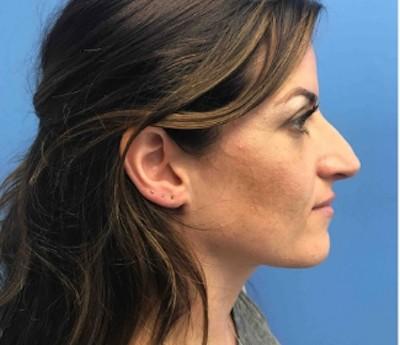
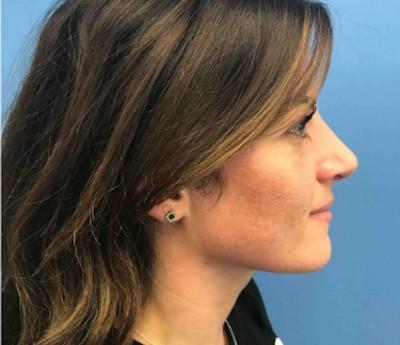
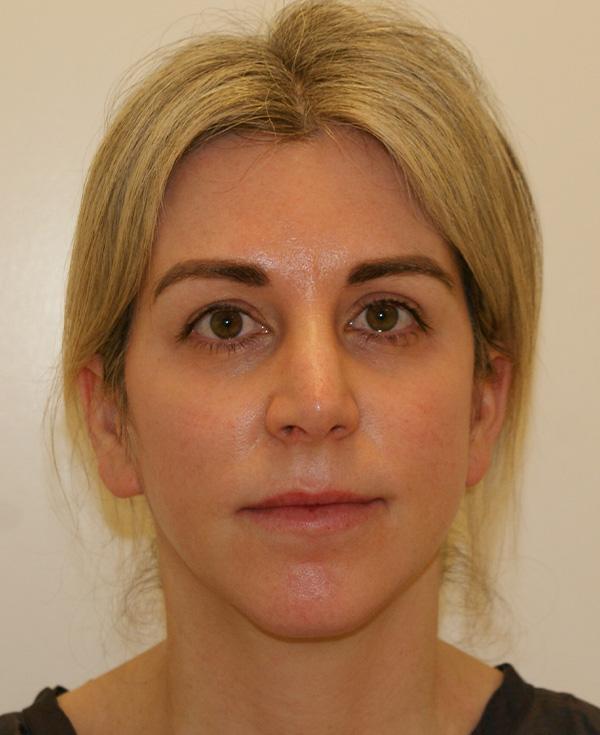
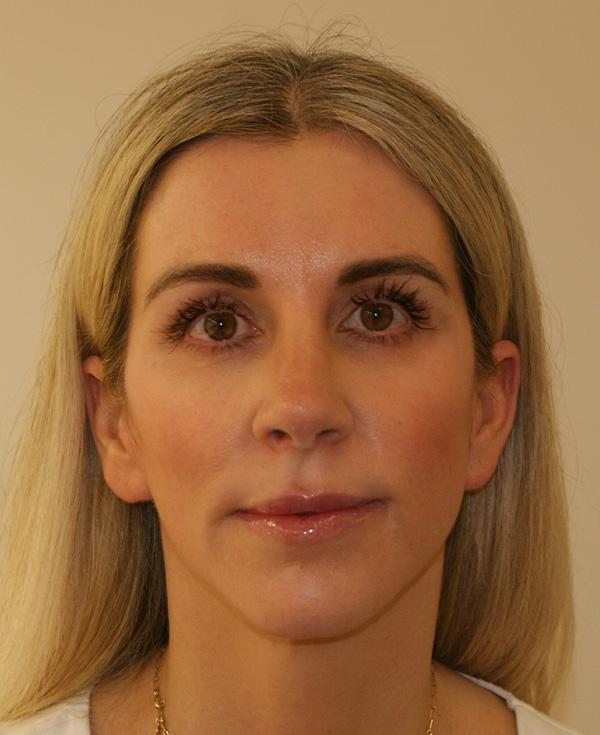
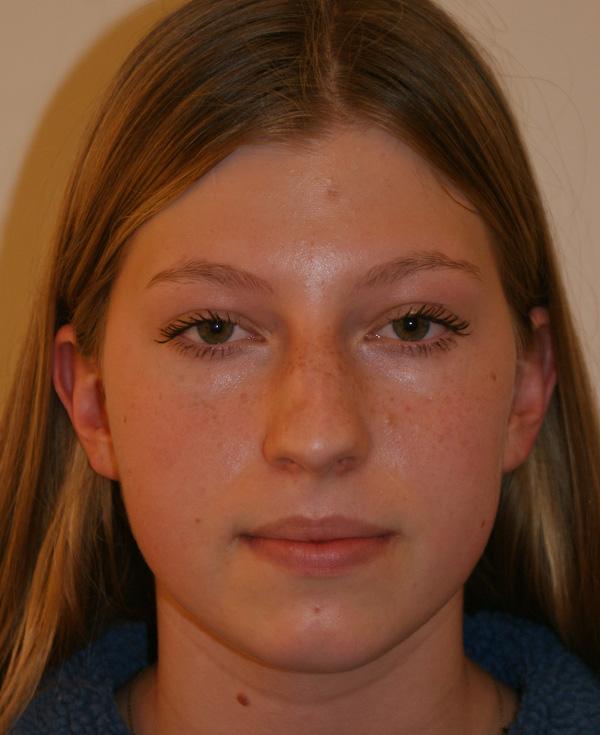
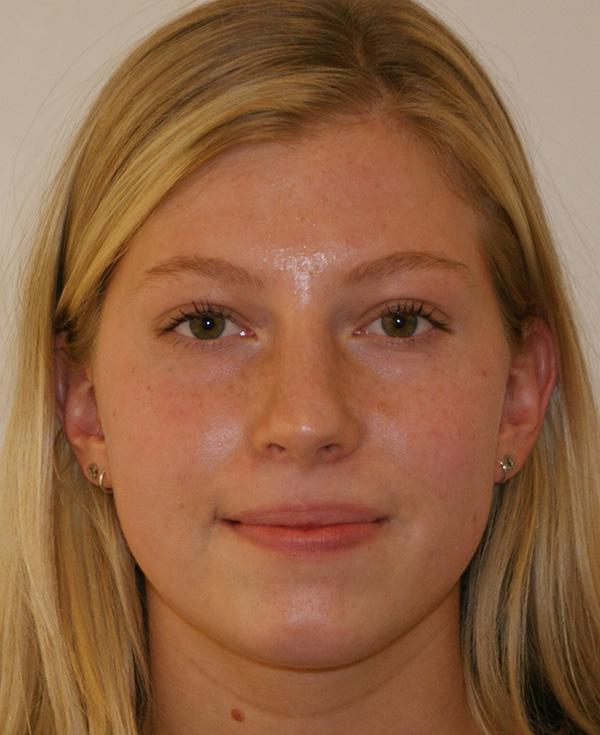
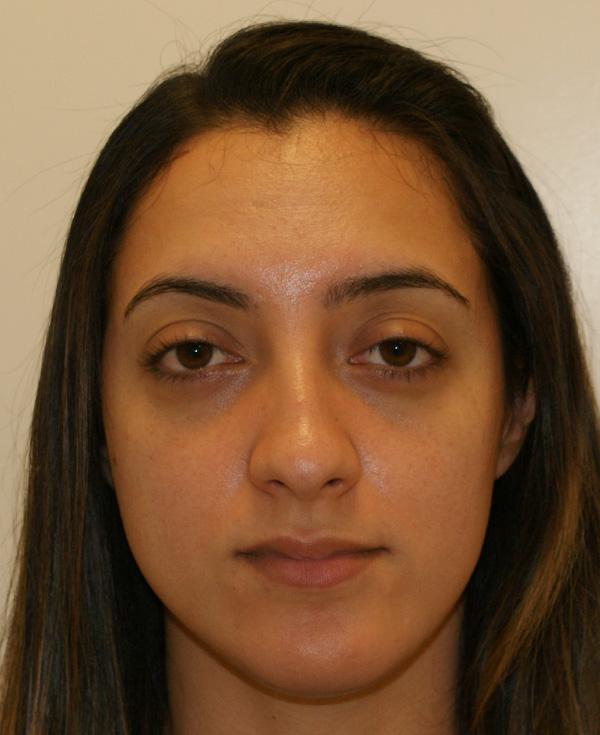
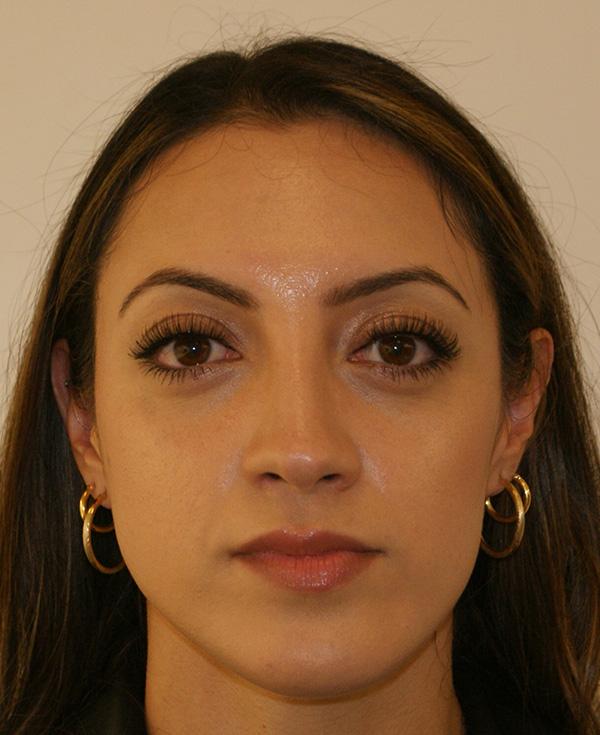
Real patient results
From verified board-certified surgeons in our directory.
The honest verdict
The open versus closed rhinoplasty debate is largely a marketing distinction. Both techniques produce excellent results in skilled hands. Both produce disappointing results in less experienced hands. The technique should be selected by the surgeon based on anatomy and surgical goals, not chosen by the patient from a website.
What matters more than technique:
- The surgeon's annual rhinoplasty volume (target 100+ per year)
- Board certification in plastic surgery or facial plastic surgery
- A consistent portfolio of long-term (1+ year) results in patients with anatomy similar to the patient's own
- Honest discussion of what the operation can and cannot change
- Realistic timeline expectations — particularly that final results take a full year, sometimes longer
A patient who insists on closed rhinoplasty from a surgeon whose excellent work is all open — or vice versa — is optimizing the wrong variable. Find the right surgeon. Trust the technique recommendation. Plan for the recovery honestly.
Find a board-certified rhinoplasty surgeon
Get matched with verified Rhinoplasty surgeons in your area.
This article is educational and does not constitute medical advice. Surgical decisions should be made in consultation with a board-certified plastic surgeon who has personally examined the patient.