
Breast implant placement is one of the two structural decisions made during augmentation surgery — the other being implant type. The choice between above the muscle (subglandular) and below the muscle (submuscular or dual-plane) shapes how the breast looks, how it feels, how it ages, and how likely it is to need revision a decade later. This article breaks down the evidence behind each option, the anatomical reasoning surgeons use to recommend one over the other, and the long-term tradeoffs that rarely come up in a 30-minute consultation.
Quick overview
The pectoralis major muscle sits flat across the chest wall, underneath the breast tissue. An implant can be placed either on top of that muscle (subglandular, also called subfascial when placed beneath the muscle's fascia) or underneath it (submuscular). A third option — dual-plane placement — splits the difference, positioning the upper portion of the implant under the muscle while allowing the lower portion to sit behind breast tissue only.
For most first-time augmentation patients, the American Society of Plastic Surgeons guidelines favor submuscular or dual-plane placement, primarily because of lower capsular contracture rates and better long-term implant coverage [4]. Subglandular placement remains a legitimate choice for specific candidates — typically those with adequate native breast tissue and specific aesthetic goals.
Neither option is universally superior. The right answer depends on body composition, breast tissue volume, implant type, activity level, and what tradeoffs the patient is willing to accept over the 10–20 year lifespan of the implant.
The anatomy: what "above" and "below" actually mean
In submuscular placement, the surgeon lifts the lower border of the pectoralis major and slides the implant into a pocket created behind the muscle. The upper two-thirds of the implant ends up covered by muscle; the lower third typically sits behind breast tissue and fascia only — this is the natural anatomy that makes pure submuscular placement uncommon today. Most "under the muscle" augmentations performed in the United States are technically dual-plane procedures [4].
In subglandular placement, the implant sits directly behind the breast tissue and in front of the muscle. The muscle is left untouched. This creates a simpler surgical dissection, less postoperative pain, and faster initial recovery [7].
The distinction matters because muscle coverage changes three things: how visible the implant edge is, how the breast moves during physical activity, and how the breast ages as native tissue thins.
Complication rates: what the data shows
Capsular contracture
Capsular contracture — abnormal scar tissue tightening around the implant — is the most common long-term complication of breast augmentation and the single biggest driver of revision surgery. Published rates favor submuscular placement:
- Submuscular: 5–10% incidence over 10 years [1][2]
- Subglandular: 10–20% incidence over 10 years [2]
The leading hypothesis is that muscle coverage reduces bacterial biofilm formation on the implant surface and provides mechanical massage from normal pectoralis movement, both of which limit capsule thickening [1].
Rippling and implant visibility
Implant rippling — visible or palpable wrinkles in the implant shell — affects 5–10% of subglandular cases versus under 2% of submuscular cases at 10-year follow-up [5]. Thin patients are at higher risk regardless of placement, but muscle coverage masks rippling effectively in the upper pole, which is the area most visible in clothing.
Infection, hematoma, and seroma
Infection rates are similar between the two techniques, running 1–2% in published series [2]. Hematoma and seroma — collections of blood or fluid — occur slightly more often with submuscular placement because the surgical dissection is more extensive [2]. Both are typically managed without long-term consequence when caught early.
Recovery: the first 6 weeks
The recovery difference between placements is real and worth planning around.
Subglandular recovery typically involves 1–2 weeks of restricted activity, with most patients returning to desk work within 5–7 days. Average postoperative pain scores hover around 3–4 out of 10 in the first 72 hours [7].
Submuscular recovery runs 2–3 weeks for return to normal activity, with pain scores averaging 5–6 out of 10 in the first 72 hours because the pectoralis muscle is being stretched around a foreign object [7]. The muscle spasms, particularly noticeable in the first 7–10 days, are the dominant source of discomfort. Heavy lifting and chest exercise are typically restricted for 6 weeks.
Women returning to demanding physical jobs — nurses, trades, parents of small children — often underestimate the functional cost of the additional 1–2 weeks of submuscular recovery. For a deeper look at week-by-week milestones, see the breast augmentation recovery timeline.
Breast Augmentation — what to expect, week by week
Typical recovery 7–14 days before patients return to most normal activities.
- Day 1–7Most pain & swelling. Compression garment 23 h/day. Walk daily.
- Week 2Off prescription meds, light activity, swelling starts to drop.
- Weeks 3–4Return to desk work. Light cardio. Sleep position may relax.
- Weeks 5–8Resistance training cleared by most surgeons. Garment off.
- Months 3–6Final shape emerges, swelling fully resolved, scars mature.
General guidance only. Your surgeon's instructions take precedence.
Appearance and natural look
This is where the comparison gets nuanced, because "natural" means different things to different patients.
Upper pole fullness
Subglandular placement produces more pronounced upper pole fullness — the rounded "shelf" above the nipple line that some patients explicitly want and others explicitly don't [3]. Because the implant sits directly behind breast tissue, its full projection translates to visible volume on the chest.
Submuscular placement produces a more gradual upper pole slope because the muscle compresses the upper portion of the implant. The result reads as more anatomically natural in most body types, particularly in thin patients [3].
The thin-patient problem
In patients with BMI under 25 and minimal native breast tissue, subglandular implants are at high risk of being visible at the edges — particularly along the upper and inner curves where breast tissue is thinnest. Submuscular placement adds a layer of muscle coverage that effectively hides these edges [3][8].
For patients with adequate native breast tissue (typically a B cup or larger pre-surgery), subglandular placement can produce excellent results because the existing tissue provides natural camouflage.
Animation deformity
Animation deformity is the visible distortion of the breast when the pectoralis muscle contracts — for example, during a push-up, a chest fly, or simply pressing the palms together. With submuscular placement, muscle contraction can squeeze and displace the implant, producing a temporary flattening, lateral movement, or visible rippling [3].
Subglandular placement eliminates animation deformity entirely because the implant is not behind the muscle. For competitive athletes, bodybuilders, CrossFit participants, and anyone whose body image depends on how the chest looks during exercise, this is a significant factor.
Candidate selection: who fits which placement
Submuscular or dual-plane is typically recommended for:
- First-time augmentation patients with average or thin body composition (BMI under 25) [3]
- Patients with minimal native breast tissue (A cup or small B)
- Patients prioritizing the lowest long-term capsular contracture risk [1]
- Patients receiving saline implants, which ripple more visibly than silicone
- Patients who want optimal mammographic imaging access (though both placements allow effective screening) [7]
Subglandular placement is reasonable for:
- Patients with adequate existing breast tissue (B cup or larger) [4]
- Competitive athletes or weightlifters concerned about animation deformity
- Patients with previous chest wall surgery that has altered pectoralis anatomy [8]
- Patients with mild ptosis (sagging) where subglandular placement can provide a modest lift effect
- Patients prioritizing faster recovery and lower postoperative pain
Dual-plane is increasingly the default for:
Patients who want the long-term benefits of muscle coverage in the upper pole but better lower-pole shape and reduced animation effect. The technique now accounts for the majority of "under the muscle" augmentations performed in the United States [8].
Implant type compatibility
Placement and implant type interact. Saline implants ripple more visibly than silicone because the fill is less viscous, which makes muscle coverage more important — saline in a subglandular pocket in a thin patient is the highest-risk combination for visible rippling [5]. Silicone gel implants, particularly cohesive "gummy bear" implants, hold their shape better and are more forgiving of subglandular placement.
This interaction is covered in detail in the silicone vs saline comparison.
Long-term aging: 10–20 year outlook
Breast tissue thins with age, weight loss, pregnancy, breastfeeding, and hormonal changes. This matters because the camouflage that subglandular placement relies on — native breast tissue covering the implant — diminishes over time.
A 30-year-old patient with adequate breast tissue who chooses subglandular placement may find at age 50 that the implant edge is visible in ways it was not at age 30. Submuscular placement provides a more durable coverage layer because muscle is less affected by hormonal and weight-related changes than breast tissue [5].
This is not a reason to choose one placement over the other in isolation — it is a factor to weigh alongside short-term goals. Patients planning future pregnancies, in particular, should discuss with their surgeon how each placement may behave through the breast changes of pregnancy and breastfeeding.
Revision surgery implications
Revision surgery — to replace implants, correct complications, or change size — is more common than most first-time patients expect. Roughly 15–20% of augmentations require revision within 10 years [5].
Placement affects revision options:
- A patient who starts subglandular and develops upper-pole rippling can be converted to submuscular at revision, adding muscle coverage.
- A patient who starts submuscular and develops animation deformity can be converted to subglandular at revision (a "neo-subpectoral" or pocket conversion procedure).
- Capsular contracture revision often involves removing the existing scar capsule and placing a new implant in a fresh pocket, which may involve a placement change.
The initial placement decision is not permanent, but each revision adds surgical complexity and cost. Patients planning long term should factor this into the true lifetime cost of breast implants.
Cost differences
The surgeon's fee for submuscular placement is typically marginally higher than subglandular — generally a few hundred dollars — because the dissection takes longer. Operating room time and anesthesia time are also slightly higher. These differences are small compared to overall surgery cost, which is driven primarily by surgeon experience, geography, implant type, and facility.
More consequential financially is revision risk. The 5-percentage-point difference in 10-year revision rates between placements translates, across a patient population, to meaningful expected lifetime cost differences. For an individual patient, the practical implication is that the slightly lower upfront cost of subglandular placement may be offset by higher probability of revision later.
How to choose a surgeon
Board certification by the American Board of Plastic Surgery is the non-negotiable baseline. Beyond that, the relevant questions for placement decision-making are:
- How many breast augmentations does the surgeon perform per year, and what is the placement breakdown?
- What is their personal complication rate at 1, 5, and 10 years?
- Do they perform dual-plane placement routinely, and what specific technique (Type I, II, or III)?
- Will they show before-and-after images of patients with similar body composition to the patient's own?
Surgeons in major markets — including breast augmentation specialists in Miami, Los Angeles, and New York — typically perform high volumes and can discuss placement choice with patient-specific data rather than generic guidelines.
Find a board-certified breast augmentation surgeon
Get matched with verified Breast Augmentation surgeons in your area.
The honest verdict
For most first-time augmentation patients with average or thin builds, submuscular or dual-plane placement is the evidence-supported default. Lower capsular contracture rates, less visible rippling, and better long-term coverage as native tissue ages are real, measurable advantages [1][5].
Subglandular placement is not obsolete. It produces excellent results in patients with adequate native breast tissue, in athletes who prioritize avoiding animation deformity, and in specific anatomical situations where muscle disruption is undesirable. The faster recovery and lower postoperative pain are not trivial benefits.
What patients should be skeptical of is any surgeon who recommends a placement without examining native tissue thickness, discussing implant type interaction, and explaining the long-term tradeoffs. The right answer requires individual assessment, not a default protocol. Decisions about implant size are equally individual — see the breast implant size decision framework for that side of the conversation.
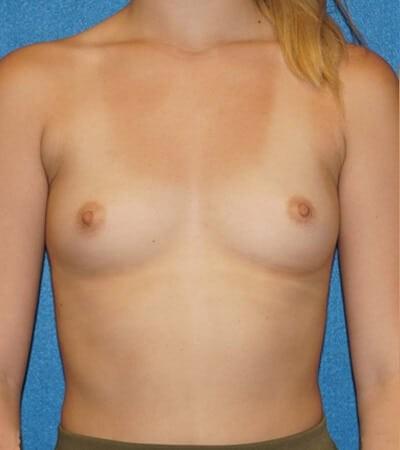
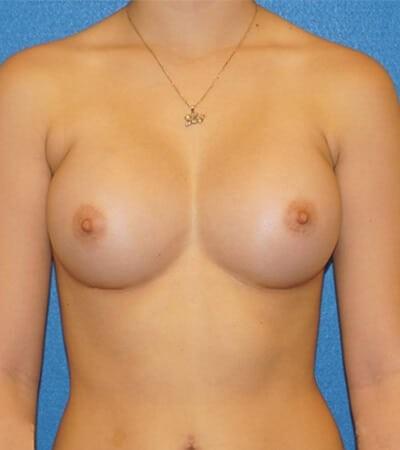
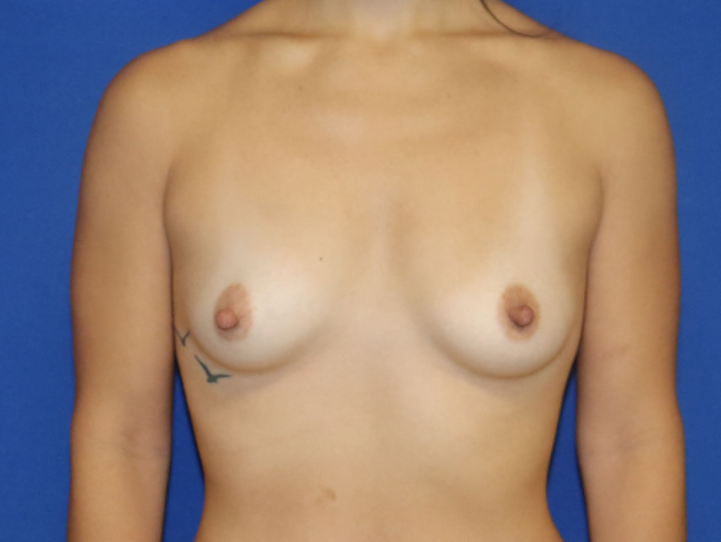
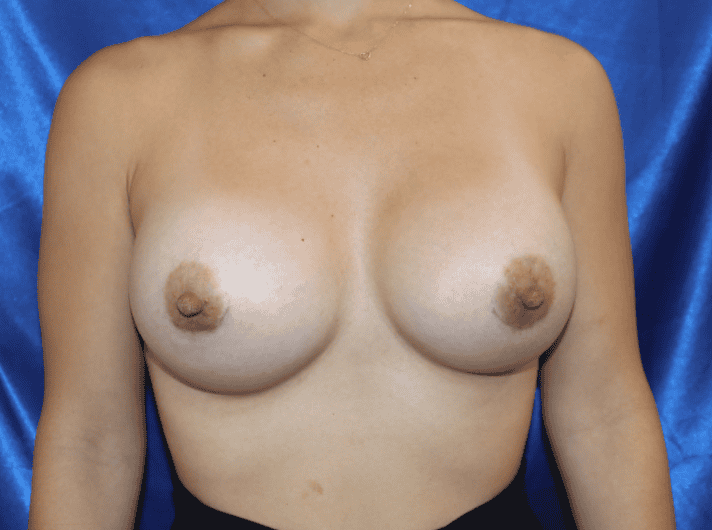
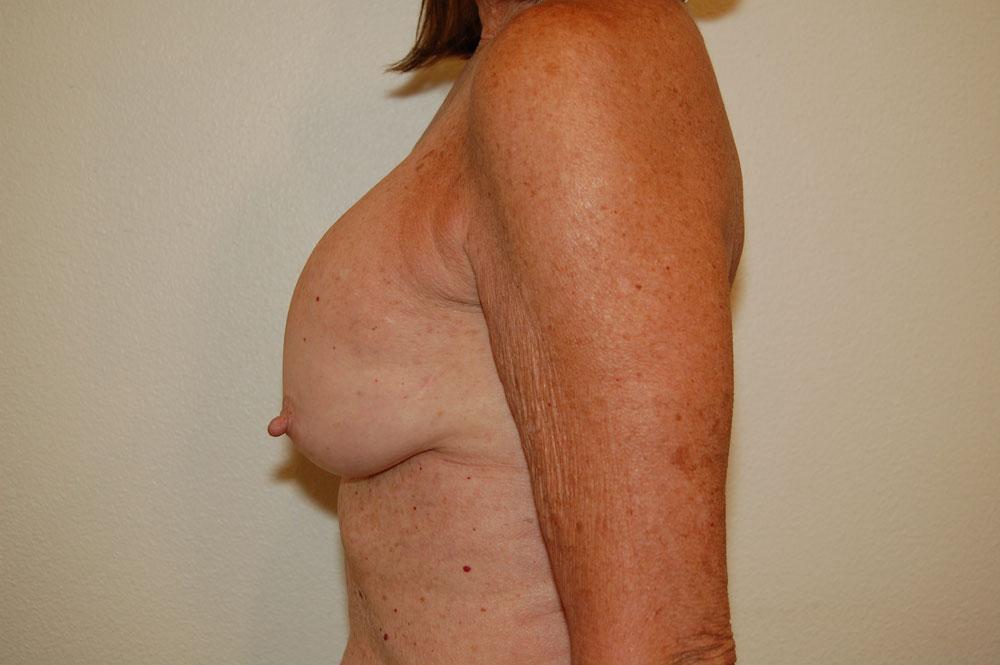
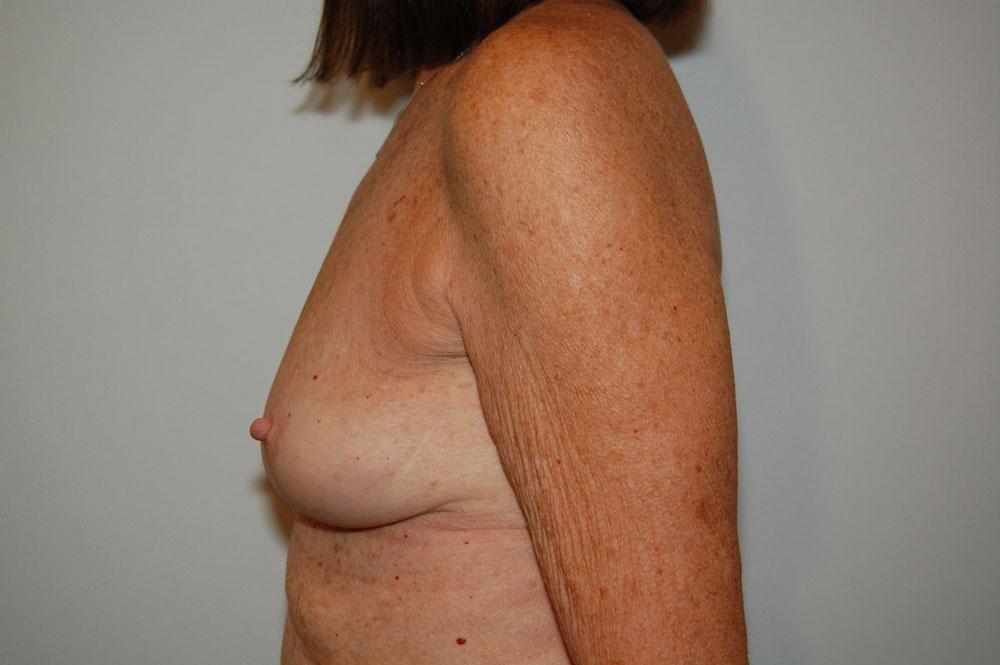
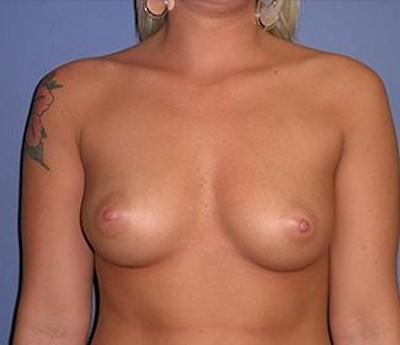
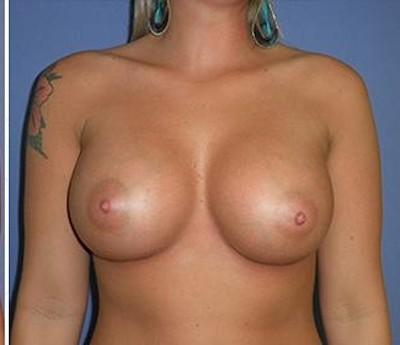
Real patient results
From verified board-certified surgeons in our directory.
Final considerations
Placement is one decision in a sequence that includes implant type, size, profile, and incision location. None of these decisions should be made in isolation. A consultation that addresses all of them together — with a surgeon willing to explain the reasoning behind each recommendation — produces better long-term outcomes than one that focuses on a single variable.
Patients evaluating multiple surgeons can compare options in major markets including Chicago, Houston, Atlanta, and Dallas. Pricing transparency varies significantly between practices; the cost of breast augmentation page tracks current ranges by region.
Find a board-certified breast augmentation surgeon
Get matched with verified Breast Augmentation surgeons in your area.
This article is for educational purposes only and does not constitute medical advice. Individual surgical decisions should be made in consultation with a board-certified plastic surgeon who has examined the patient and reviewed their full medical history.