
Gummy bear implants — the colloquial term for form-stable, highly cohesive silicone gel breast implants — have become one of the most requested implant types in modern breast augmentation. They hold their teardrop shape under pressure, resist gel migration if the shell is compromised, and produce a more anatomically tapered upper pole than round implants. They are not, however, a marketing-free zone. Rupture, capsular contracture, revision surgery, and rare implant-associated illnesses all remain part of the clinical picture. This article explains what form-stable implants actually are, what the peer-reviewed data shows, who they suit, and how to evaluate a surgeon offering them.
Quick overview
The phrase "gummy bear" describes the implant's cohesive silicone gel: cut one in half and the gel stays put rather than oozing, much like the candy. Technically these are fifth-generation, form-stable silicone gel implants. They are FDA-approved for cosmetic breast augmentation in patients 22 years and older and for reconstruction at any adult age [2].
Across the major manufacturers — Allergan (Natrelle 410), Mentor (MemoryShape), and Sientra — form-stable devices share three features: a high cross-link density gel, a thicker shell than older silicone implants, and either a textured or smooth surface. Silicone gel implants account for roughly 80% of breast augmentation procedures performed in the United States, and form-stable variants represent a growing share of that volume [4].
The clinical case for them rests on three claims supported by published data: high patient satisfaction (8.5–9.0 out of 10 on validated instruments) [7], low rupture rates compared with earlier silicone generations (0.1–1% over 10 years in some series) [1], and reduced gel bleed because the cohesive matrix holds the silicone in place [3]. The case against them is straightforward — they cost more, require larger incisions, and revision rates over a decade still approach 20–25% [3].
What gummy bear implants actually are
Form-stable silicone implants use a more heavily cross-linked silicone gel than the softer cohesive implants introduced in the 1990s and early 2000s. The cross-linking creates a semi-solid matrix that retains its shape under compression. Surgeons sometimes call them "highly cohesive" or "fifth-generation" implants.
Two design choices distinguish them in clinical use:
- Shape. Most gummy bear implants are anatomical (teardrop), with more projection at the lower pole and a gradual slope at the upper pole. Round form-stable implants also exist; the gel is the same, the silhouette differs.
- Surface. Anatomical implants are typically textured to reduce rotation within the pocket. Smooth form-stable round implants are also available. Surface choice has implications for BIA-ALCL risk, discussed below.
The "form-stable" property is the clinically meaningful one. If the outer shell ruptures, the gel does not migrate freely into surrounding tissue the way liquid silicone from older devices could. This is why FDA-required post-approval studies have documented favorable rupture profiles compared with prior generations [2].
Pros and cons based on published outcomes
What the data supports
Shape retention and upper-pole profile. Form-stable implants produce a more sloped, anatomically natural upper pole, particularly in thin patients with minimal native breast tissue. Patient-reported outcomes consistently rate natural appearance and feel as the primary drivers of satisfaction, and form-stable cohorts report scores in the 8.5–9.0 range on 10-point scales [7].
Low rupture rates. Systematic reviews of form-stable silicone gel implants report rupture rates between 0.1% and 1% over 10 years — lower than older silicone generations [1]. Silent rupture (rupture without symptoms) still occurs in roughly 5–10% of implants over time across all silicone types, which is why MRI or ultrasound surveillance is recommended every 2–3 years [2][5].
Reduced gel bleed. Gel bleed — microscopic silicone diffusion through an intact shell — is minimal with form-stable designs because the cross-linked gel does not behave like a liquid [3].
High satisfaction with body image. Improved body image and psychological well-being are reported in 85–90% of patients following form-stable augmentation [7].
What the data does not support
"Lifetime" implants. No breast implant is lifetime. Average longevity before revision consideration is 10–15 years, and revision rates at 10 years are approximately 20–25% in cosmetic series [3]. Reasons for revision include capsular contracture, rupture, size change, malposition, and rippling.
Zero complication rate. Across all silicone augmentations — form-stable included — total adverse event rates over 10 years run 15–25% [4]. Capsular contracture alone affects 5–15% of form-stable cases [1]. Infection occurs in 1–2% of primary augmentations [3].
Universal candidacy. Form-stable anatomical implants demand precise pocket dissection. In a loose pocket they can rotate, producing a visibly distorted breast that requires reoperation. Patients with very thin soft-tissue coverage may also show implant edges or rippling regardless of cohesivity.
Gummy bear vs. standard silicone vs. saline
The practical comparison most patients want comes down to feel, longevity, and what happens if the implant fails.
Feel. Standard cohesive silicone is softer and closer to natural breast tissue. Form-stable gel is firmer — closer to a ripe peach than a water balloon. Saline is firmest and most prone to visible rippling.
Rupture behavior. A saline implant rupture is obvious; the breast deflates within hours to days and the saline is harmlessly absorbed. A standard silicone rupture may be silent and requires imaging to detect. A form-stable rupture is also typically silent but the gel stays largely contained within the capsule because of cross-linking [1][5].
Detection. MRI is the gold standard for silicone rupture detection with 95–100% sensitivity. Ultrasound offers a non-radiation alternative at 60–80% sensitivity [5]. The FDA recommends imaging every 2–3 years for silicone implants [2].
Incision size. Form-stable implants require a longer incision — typically 5–6 cm versus 3–4 cm for standard silicone — because the firmer gel cannot be compressed through a small opening without damaging the shell.
For a deeper comparison of silicone and saline, see the silicone vs saline implants clinical comparison and the honest comparison guide.
Placement, incision, and surgical technique
Implant choice is only one of several decisions. Placement and incision matter as much for the final result.
Submuscular vs. subglandular vs. dual-plane. Submuscular placement (under the pectoralis major) reduces capsular contracture risk compared with subglandular placement and improves upper-pole camouflage in thin patients. Dual-plane placement — partial muscle coverage at the upper pole, glandular coverage below — is the most common modern technique for cosmetic augmentation and balances natural appearance with implant support [8]. The full tradeoff is covered in above vs below muscle breast implants.
Incision site. Inframammary (under-breast fold), periareolar (around the nipple), and transaxillary (armpit) incisions each have tradeoffs in scarring, sensation, and revision access. For form-stable implants, inframammary is the most common because it accommodates the longer incision length and provides direct access for precise pocket dissection [8].
Implant volume. Volume selection should be based on chest wall measurements — base width, soft-tissue thickness, skin envelope — not just cup-size goals [8]. Reviewing how to choose breast implant size helps frame the conversation with a surgeon.
Recovery and what to expect
Form-stable implant recovery is broadly similar to other primary augmentations, with two caveats: the larger incision can mean slightly more visible scarring early on, and anatomical implants require strict activity restriction in the first weeks to prevent rotation.
Breast Augmentation — what to expect, week by week
Typical recovery 7–14 days before patients return to most normal activities.
- Day 1–7Most pain & swelling. Compression garment 23 h/day. Walk daily.
- Week 2Off prescription meds, light activity, swelling starts to drop.
- Weeks 3–4Return to desk work. Light cardio. Sleep position may relax.
- Weeks 5–8Resistance training cleared by most surgeons. Garment off.
- Months 3–6Final shape emerges, swelling fully resolved, scars mature.
General guidance only. Your surgeon's instructions take precedence.
Most patients return to desk work in 5–7 days, light exercise at 3–4 weeks, and unrestricted activity at 4–6 weeks [7]. Final implant settling and scar maturation continue for 6–12 months. Sensory changes around the nipple are common in the first 3–6 months and typically resolve.
Safety: rupture, capsular contracture, BIA-ALCL
Three safety topics deserve specific attention because they shape long-term outcomes.
Rupture. Form-stable implants rupture at rates of 0.1–1% over 10 years in published series, lower than earlier silicone generations [1]. Because rupture is often silent, the FDA recommends MRI or ultrasound surveillance every 2–3 years [2]. A ruptured form-stable implant is not a medical emergency but should be replaced.
Capsular contracture. All implants form a capsule of scar tissue. In 5–15% of form-stable cases, that capsule tightens and distorts the implant — Baker grade III or IV contracture, which usually requires revision [1]. Submuscular placement and meticulous sterile technique reduce risk [8].
BIA-ALCL. Breast implant-associated anaplastic large cell lymphoma is a rare T-cell lymphoma linked predominantly to textured implants. Incidence is estimated at 1 case per 3,000–6,000 implants, with median time to diagnosis of 8–10 years [6]. Smooth-surface implants carry a substantially lower risk. Patients choosing anatomical form-stable implants — which are typically textured — should discuss this tradeoff explicitly with their surgeon. The FDA continues active surveillance and patients should report any persistent breast swelling years after surgery [2][6].
Cost and what drives it
Form-stable implants cost more than standard cohesive silicone, which in turn costs more than saline. The implant itself accounts for a meaningful portion of the price difference; surgeon fee, anesthesia, facility, and geography drive the rest.
Urban markets with high concentrations of board-certified plastic surgeons — for example breast augmentation in Miami, Los Angeles, and New York — tend to price at the higher end. Secondary markets such as Houston, Atlanta, and Phoenix typically run lower. The true lifetime cost analysis accounts for the 20–25% revision rate at 10 years [3] and recurring imaging surveillance [2] — both of which are real expenses gummy bear marketing rarely mentions. For a regional breakdown, see the cost of breast augmentation reference.
How to choose a surgeon
Form-stable implants amplify the importance of surgeon selection because the technique is less forgiving. Pocket dissection must be precise to prevent rotation, and the larger incision demands clean closure for an acceptable scar.
Minimum criteria:
- Board certification by the American Board of Plastic Surgery (ABPS). Other "cosmetic surgery" boards do not require completion of an accredited plastic surgery residency.
- High primary augmentation volume. Surgeons performing form-stable cases regularly will have better-developed pocket technique.
- Hospital privileges for the procedure being performed. A surgeon should be able to perform the same surgery at an accredited hospital, not only in an office-based suite.
- Transparent revision policy. A clear written policy on what happens if rupture, contracture, or rotation occurs within a defined period.
- Before-and-after gallery of the surgeon's own form-stable cases — not stock manufacturer photos.
Find a board-certified breast augmentation surgeon
Get matched with verified Breast Augmentation surgeons in your area.
Before and after: what realistic results look like
Form-stable implants in a well-matched patient produce a tapered upper pole, defined lower-pole projection, and a natural-appearing transition from chest wall to breast. They do not produce the round, high-set, overfilled look that round saline or older silicone implants in subglandular pockets often produce.
Real patient results
From verified board-certified surgeons in our directory.
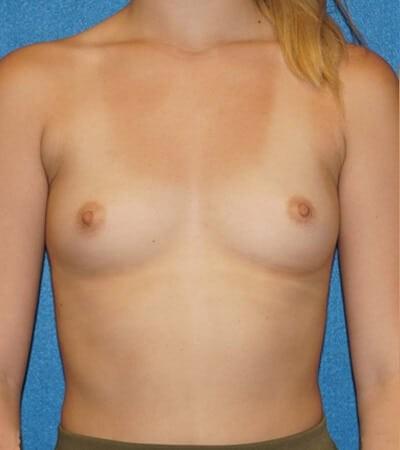
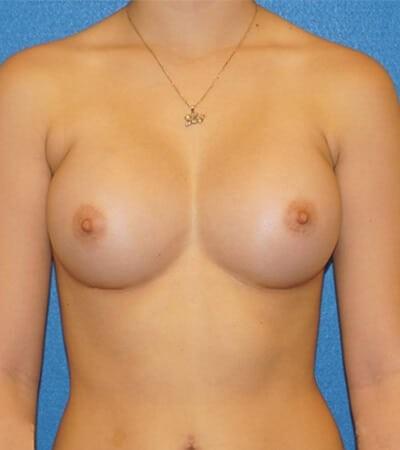
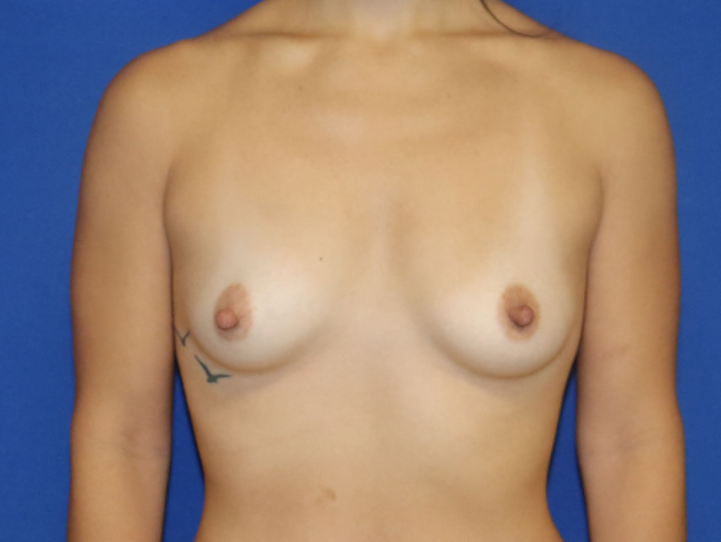
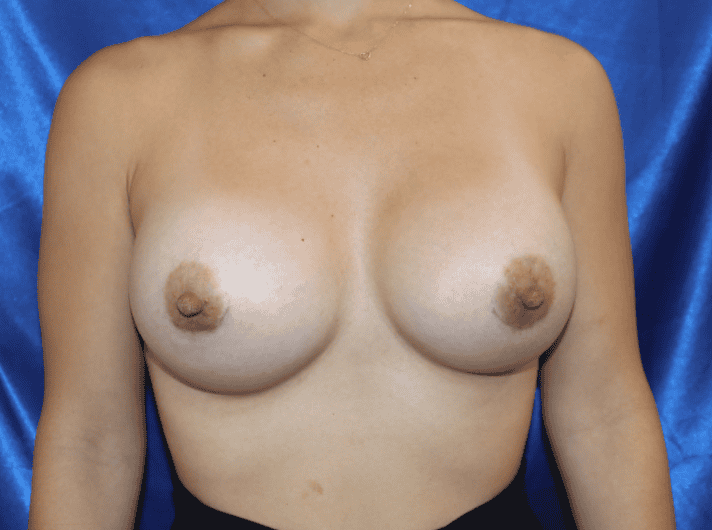
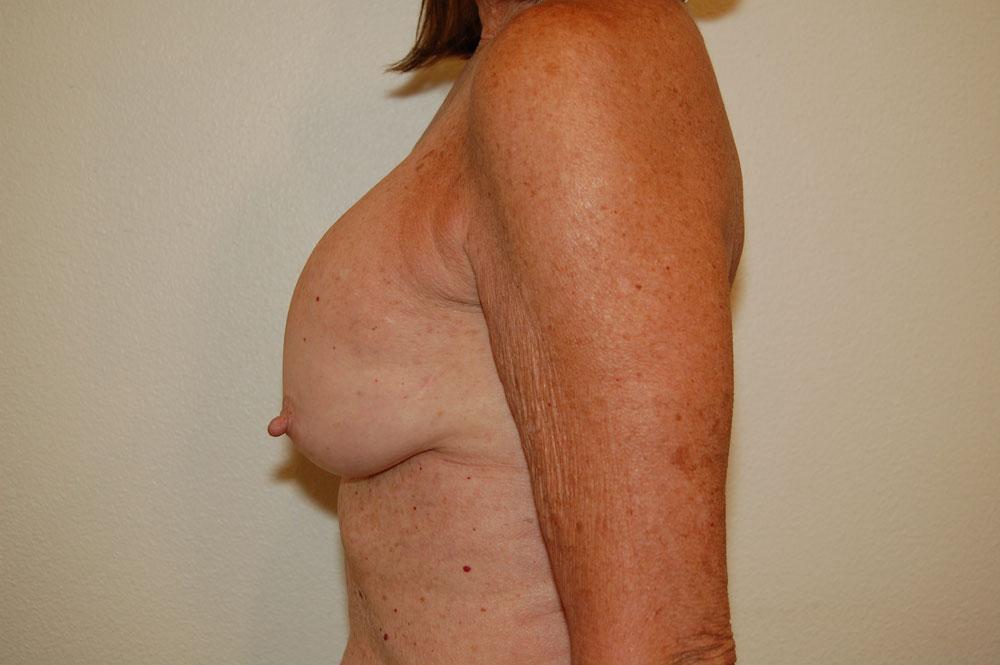
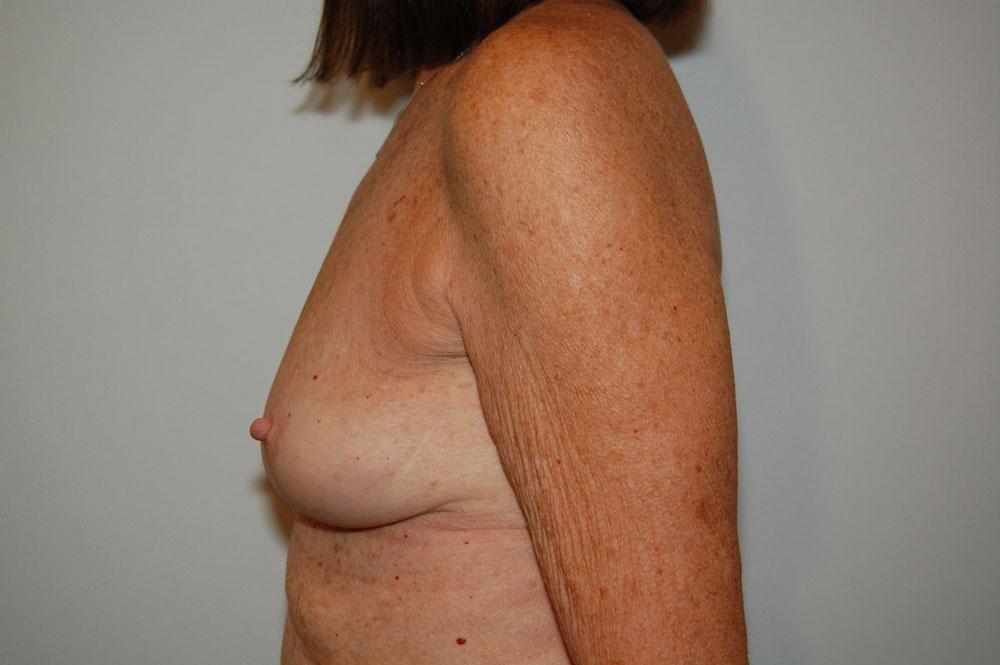
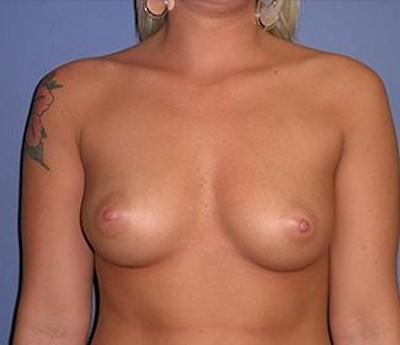
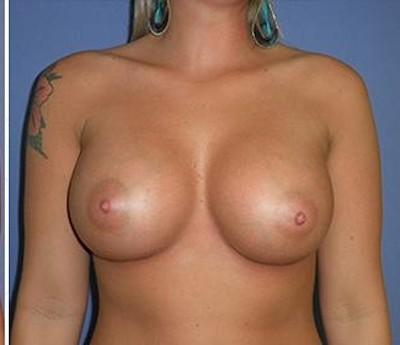
Results plateau at 6–12 months as tissues relax around the implant. Patients should expect the early post-operative shape — higher, firmer, more swollen — to soften and settle progressively over that period.
The honest verdict
Gummy bear implants are a legitimate clinical advance, not a marketing reinvention of silicone. The form-stable gel reduces gel bleed, lowers rupture rates compared with earlier silicone generations, and produces a natural upper-pole profile that suits anatomically focused augmentations [1][3]. Patient satisfaction is consistently high [7].
They are not, however, lifetime devices, risk-free, or universally appropriate. Revision rates approach one in four at a decade [3]. Capsular contracture, rupture, and — with textured variants — BIA-ALCL remain real considerations [1][6]. The firmer feel disappoints some patients expecting the softness of standard cohesive silicone, and the longer incision produces a more visible scar early on.
The right candidate is a patient with realistic anatomical goals, willingness to commit to imaging surveillance every 2–3 years, and access to a board-certified plastic surgeon experienced in form-stable technique. Patients in major markets such as Chicago, Dallas, and Atlanta have the broadest selection of qualified surgeons.
Find a board-certified breast augmentation surgeon
Get matched with verified Breast Augmentation surgeons in your area.
This article is for educational purposes only and does not constitute medical advice. Individual outcomes vary. Consult a board-certified plastic surgeon for evaluation specific to your anatomy, health history, and goals.