
Liposuction is consistently ranked among the most common cosmetic surgical procedures in the United States, with the American Society of Plastic Surgeons reporting an average surgeon fee of $3,518 in 2023 [1]. That number, however, is misleading on its own. The figure most patients actually pay — covering anesthesia, facility, garments, and follow-up — typically lands between $4,000 and $10,000, and can climb past $15,000 for multi-area cases in major metropolitan markets [1][8]. This guide breaks down what liposuction genuinely costs in 2026, where the money goes, what gets quietly added to the final invoice, and how to evaluate whether the price reflects fair value or inflated marketing.
Quick overview
The headline number quoted by most clinics — often around $3,500 — refers only to the surgeon's professional fee. It does not include anesthesia, the operating facility, pre-operative labs, compression garments, prescription medications, or follow-up visits. When those line items are added, total out-of-pocket cost typically doubles [4][8].
Pricing is driven by four variables: the number and size of treatment areas, the technique used (tumescent, power-assisted, ultrasound-assisted, or laser-assisted), the surgeon's training and board certification, and geographic market [2][7]. A single-area tumescent case in a regional market may cost $4,000 total, while a four-area power-assisted procedure in Manhattan or Beverly Hills can exceed $15,000.
Insurance does not cover cosmetic liposuction under any standard policy [4]. Patients pay in full, either upfront or through medical financing that adds 8–15% in interest [8]. Understanding what should be included in a quote — and what surgeons sometimes leave out — is the single most important step before signing a consent form.
Average cost of liposuction in 2026
The ASPS 2023 statistics report places the average surgeon fee for liposuction at $3,518 [1]. Adjusted for medical inflation and the procedural shift toward power-assisted and ultrasound-assisted devices, realistic 2026 surgeon fees fall between $2,500 and $5,000 for a single area, and $4,500 to $9,000 for multi-area cases [4][2].
Total cost — meaning what the patient actually writes a check for — breaks down as follows [1][4]:
- Surgeon fee: $2,500–$5,000
- Facility fee (accredited surgical center): $1,000–$2,500
- Anesthesia fee: $500–$1,500
- Pre-operative labs and medical clearance: $150–$400
- Compression garments: $100–$300
- Prescriptions (antibiotics, pain medication, anti-nausea): $50–$150
- Post-operative follow-ups: usually included, but revision visits may not be
For a straightforward single-area case at an accredited outpatient center, $4,500–$6,500 is a realistic total. For three or more areas, expect $8,000–$12,000. Large-volume cases (over 5 liters of aspirate) in tier-one markets routinely exceed $15,000 [3][7].
Cost by treatment area
Pricing varies considerably by anatomic zone because each area differs in tissue density, access difficulty, and operative time. The Aesthetic Surgery Journal documents the following typical ranges for surgeon fees alone [3]:
- Abdomen (upper and lower): $3,000–$5,000. The most commonly treated area; fibrous tissue in the upper abdomen often requires power-assisted devices.
- Flanks ('love handles'): $2,000–$3,500. Frequently bundled with abdominal liposuction at a reduced combined rate.
- Inner and outer thighs: $2,500–$4,500. Outer thighs are typically more expensive due to larger surface area.
- Arms: $2,000–$3,500. Shorter operative time but skin retraction is unpredictable.
- Back (bra roll, upper back): $2,000–$4,000. Highly fibrous; often requires ultrasound or power assistance.
- Submental area (under chin / neck): $1,500–$3,500. Smallest volume but precision-intensive.
- Inner knees / calves / ankles: $2,000–$3,500. Niche areas with limited surgeon experience can drive prices higher.
When multiple areas are combined in one operative session, total cost increases by 30–50% rather than scaling linearly — the second and third areas share anesthesia and facility overhead [3]. A single-area abdomen at $5,000 might become a four-area circumferential trunk procedure at $11,000–$13,000 total.
Cost by technique
Technique selection materially affects price. The FDA has cleared multiple liposuction technologies, and each has a different cost profile [5]:
Tumescent liposuction
The baseline technique. Dilute saline with lidocaine and epinephrine is infiltrated before suction. Tumescent is the most widely used method and the lowest cost. It carries a complication rate of 0.5–2% in well-selected patients [2]. Pricing typically reflects the published averages above.
Power-assisted liposuction (PAL)
A mechanized cannula that vibrates to break up fat with less manual force. PAL adds approximately 20–40% to the surgeon fee, reflecting both equipment cost and improved efficiency in fibrous areas [2]. Most modern practices use PAL as their default for abdomen, back, and male chest.
Ultrasound-assisted liposuction (UAL / VASER)
Ultrasonic energy emulsifies fat before aspiration. VASER and similar platforms add $1,000–$3,000 to total cost [5]. Marketed as superior for definition and 'HD' contouring, though peer-reviewed data on aesthetic superiority over PAL remain mixed.
Laser-assisted liposuction (SmartLipo, etc.)
Laser energy is delivered through a probe to liquefy fat and theoretically stimulate skin tightening. Adds $1,500–$3,000. The skin-tightening claim is the most heavily marketed and least clinically validated component [5].
Geographic price variation
Liposuction costs 20–40% more in major metropolitan markets than in regional cities, according to JAMA Surgery data on cosmetic procedure pricing [7]. The differential reflects real estate, malpractice insurance, labor costs, and patient willingness to pay rather than any clinical superiority.
Approximate market positioning in 2026:
- Premium markets (New York, Los Angeles, Miami, San Francisco): Total cost typically $7,000–$15,000 for single to multi-area. Patients seeking these markets should review surgeons in New York, Los Angeles, and Miami.
- Mid-tier metros (Chicago, Atlanta, Dallas, Houston, Phoenix): Total cost $5,500–$11,000. See practices in Chicago, Atlanta, Dallas, and Houston.
- Regional markets: Total cost $4,000–$8,000.
Detailed regional pricing is maintained on the cost of liposuction page.
Medical tourism — primarily to Mexico, Colombia, the Dominican Republic, and Turkey — advertises liposuction for $2,000–$4,000 total. The price differential is real, but so is the elevated complication rate documented in returning patients, including infection, contour deformity, and fat embolism. Revision of a botched tourism case domestically typically costs $6,000–$12,000 and may not fully correct the original defect [6].
Hidden costs most quotes leave out
The surgeon's quoted figure is rarely the full bill. Items that are frequently itemized separately — or excluded entirely until after surgery — include:
- Pre-operative medical clearance and labs: $150–$400. Required for any procedure under general anesthesia.
- Compression garments: $100–$300. Most patients need two garments (one to wash, one to wear) for 6–8 weeks.
- Lymphatic massage: $80–$150 per session, often recommended 6–12 times post-operatively. Total $500–$1,800.
- Prescription medications: $50–$150 for antibiotics, analgesics, and anti-nausea drugs.
- Time off work: 1–2 weeks for desk work, 3–4 weeks for physical jobs. Lost income is rarely factored into quoted price.
- Revision procedures: 5–15% of liposuction patients pursue some form of touch-up or revision for contour irregularity. Revisions cost 15–25% more than primary procedures and are almost never covered by the original fee [3][6].
- Complication management: Seromas, infections, and prolonged swelling may require drainage, additional antibiotics, or imaging. The Mayo Clinic notes that revision surgery for complications averages $3,000–$6,000 in additional cost [6].
What insurance does and does not cover
Cosmetic liposuction is not covered by any standard health insurance policy in the United States [4]. The American Board of Plastic Surgery confirms that insurers explicitly exclude elective body contouring from medical benefits.
A narrow exception exists for lipedema, a chronic adipose tissue disorder that causes painful, disproportionate fat accumulation in the limbs. A growing number of insurers — including some Blue Cross Blue Shield plans, Aetna, and Cigna — now cover liposuction as a medically necessary treatment for documented lipedema, particularly when conservative therapies have failed. Coverage requires diagnostic confirmation by a vascular medicine specialist or dermatologist familiar with lipedema, plus prior authorization. This is the only meaningful insurance pathway for liposuction.
Flexible Spending Accounts (FSAs) and Health Savings Accounts (HSAs) cannot be used for purely cosmetic liposuction, but can be applied to lipedema treatment with the same documentation requirements.
Financing the procedure
Most patients pay out-of-pocket using personal savings, credit cards, or medical financing. Cleveland Clinic notes that the most common medical credit products — CareCredit, Alphaeon, PatientFi, and Prosper Healthcare Lending — add 8–15% in interest depending on promotional terms and credit profile [8].
A realistic financing example: a $9,000 multi-area procedure financed over 36 months at 12% APR results in approximately $299 monthly payments and roughly $1,765 in total interest paid. Promotional 'no interest if paid in full within 12 months' offers are common but apply retroactively from the date of charge if the balance is not cleared in time — a structure that adds substantial cost if used carelessly.
Consultation fees typically range $100–$300 and are often credited toward the procedure cost if surgery is booked, but not refunded if the patient declines [8].
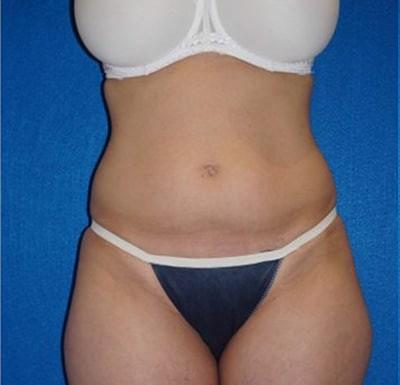
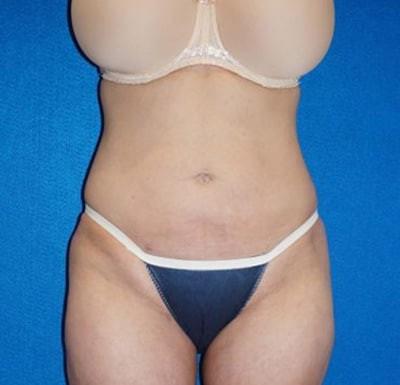
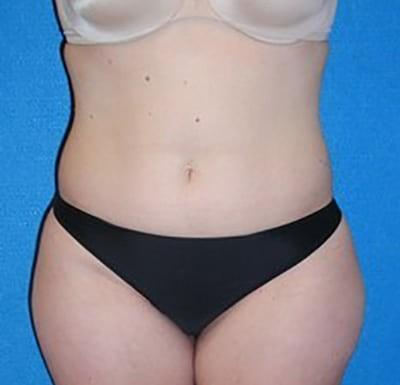
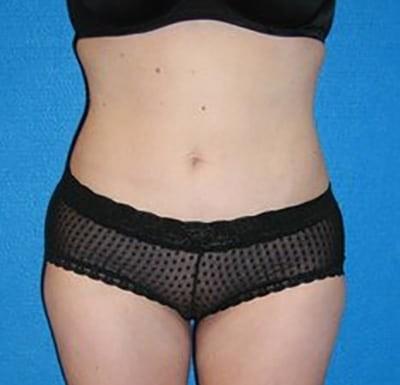
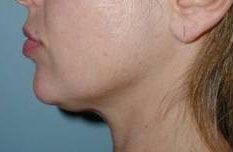
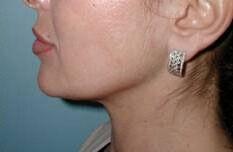
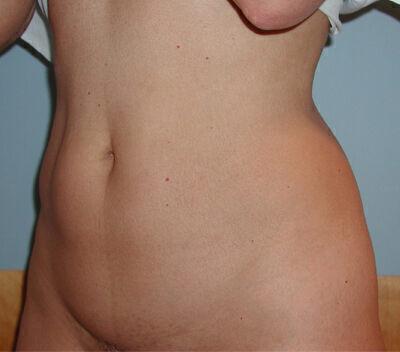
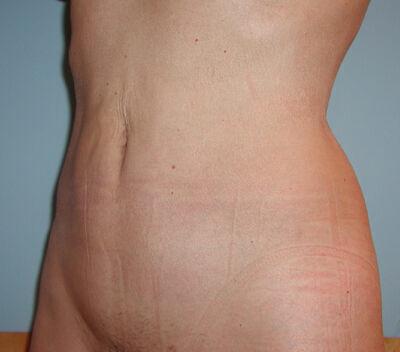
Real patient results
From verified board-certified surgeons in our directory.
Find a board-certified liposuction surgeon
Get matched with verified Liposuction surgeons in your area.
Cost compared with non-surgical alternatives
Liposuction is frequently weighed against non-invasive fat reduction technologies. The comparison is uneven: non-surgical devices remove substantially less fat per session and require multiple treatments.
- CoolSculpting (cryolipolysis): $750–$1,500 per applicator, typically 2–4 applicators per area, repeated every 2–3 months. Total for a treated abdomen often $4,000–$8,000 over a year — comparable to surgical liposuction but with roughly 20–25% fat reduction in the treated zone versus 60–80% with surgery.
- Kybella (deoxycholic acid injection, submental area only): $1,200–$1,800 per session, 2–6 sessions required. Comparable total cost to surgical submental liposuction with longer treatment timeline.
- Emsculpt / muscle stimulation: $750–$1,000 per session, 4+ sessions. Targets muscle definition, not fat removal — not a true alternative.
For patients with moderate to substantial localized fat deposits, surgical liposuction delivers a higher fat-removal-per-dollar ratio than any non-surgical option. For small areas or patients unwilling to accept downtime, non-invasive options remain reasonable despite the comparable cumulative cost.
Combined procedures and bundled pricing
Liposuction is frequently combined with abdominoplasty (tummy tuck), Brazilian butt lift (BBL fat grafting), or breast procedures. Combining procedures reduces total cost relative to separate operations because anesthesia and facility fees are shared.
Typical combined-procedure pricing:
- Liposuction + tummy tuck (lipoabdominoplasty): $10,000–$18,000 total. See the tummy tuck cost guide and mini vs full tummy tuck comparison for procedure selection.
- Liposuction + fat grafting to buttocks (BBL): $8,000–$15,000 total. The BBL cost breakdown details the additional fat-processing fees, and prospective patients should review BBL safety considerations before combining procedures.
- 'Mommy makeover' (liposuction + tummy tuck + breast procedure): $18,000–$30,000.
Combining procedures saves money but increases operative time and anesthesia exposure, which carries its own clinical risk. Most accredited surgical centers limit total operative time to 6 hours for safety.
Is liposuction worth the cost?
The value question depends on what liposuction is — and is not. It is a body-contouring procedure for removing localized fat deposits resistant to diet and exercise in a patient already near a stable weight. It is not weight loss. Patients who pursue liposuction expecting to lose 20+ pounds are uniformly disappointed; typical aspirate volumes of 2–4 liters translate to roughly 4–8 pounds of fat.
Results are durable when post-operative weight remains stable. Removed fat cells do not regenerate, but remaining cells in untreated areas can enlarge with weight gain, producing the 'displacement' effect that drives revision requests. Patient-reported satisfaction in peer-reviewed studies is generally high — above 80% — when expectations are well-calibrated [3].
The cost-per-year-of-benefit math is favorable for patients in their 30s–50s whose weight remains stable: $7,000 amortized over 20+ years of contour improvement compares favorably with repeating non-invasive treatments indefinitely. For patients whose weight is still trending up or down significantly, deferring surgery until weight stabilizes is the more economically rational decision.
The recovery cost in time is also real. The liposuction recovery week-by-week guide details what to expect, including the swelling that obscures results for 3–6 months.
Liposuction — what to expect, week by week
Typical recovery 7–14 days before patients return to most normal activities.
- Day 1–7Most pain & swelling. Compression garment 23 h/day. Walk daily.
- Week 2Off prescription meds, light activity, swelling starts to drop.
- Weeks 3–4Return to desk work. Light cardio. Sleep position may relax.
- Weeks 5–8Resistance training cleared by most surgeons. Garment off.
- Months 3–6Final shape emerges, swelling fully resolved, scars mature.
General guidance only. Your surgeon's instructions take precedence.
The honest verdict
A fair, transparent total cost for board-certified liposuction at an accredited facility in 2026 is $4,500–$8,000 for a single to two-area case, and $8,000–$15,000 for larger combinations. Quotes substantially below that range usually indicate either a non-accredited facility, a non-core specialty surgeon, or a quote that excludes anesthesia and facility fees.
Quotes substantially above that range — particularly in concierge or 'celebrity' practices — buy primarily brand and amenity, not measurably better surgical outcomes. The strongest predictor of a good result is board certification by the American Board of Plastic Surgery combined with high case volume in the specific anatomic area, not the device used or the address of the office.
The procedure remains the most reliable method for removing localized fat deposits, with a complication rate under 2% in appropriate candidates [2]. The financial decision becomes sound when the surgeon is verified, the quote is itemized, and the patient's expectations match what liposuction actually does: contour, not weight loss.
Find a board-certified liposuction surgeon
Get matched with verified Liposuction surgeons in your area.
This article is for educational purposes and does not constitute medical advice. Pricing ranges reflect published averages and may differ in individual practice quotes. Consult a board-certified plastic surgeon for an evaluation specific to anatomy, health history, and goals.